San Blas
Reunited!
It is fitting that our last cruise in the Caribbean is back in the San Blas islands. It is certainly one of our happy places and where we have spent many cumulative years.
When we first arrived back in Panamá last spring, we spent a couple of months in the San Blas on the shoulder season. Many of our friends had left for the season and anchorages were uncrowded, save for the omnipresent charter boats. This was the time of year where the trade winds were down and the rainy season was gearing up. Waters and currents were calm, allowing for lots of water time.
Those calm conditions were also favorable for no-seeums and mosquitos! This meant that if you anchor anywhere near an island, you will have these uninvited guests on your boat. Our anchoring choices were far away from major islands, in the Central Holandes lagoon and the Western Coco Banderos. Any other attempts at an island anchorage were met with so many bugs that our only option was to shut up the boat.
All stocked up with food
Isla Grande anchorage on the weekend
Flash forward to this year’s dry/winter season, the weather and water patterns were just the opposite. Steady trade winds blow from the East and that is the direction we were to sail to return to the San Blas in January.
Watching for a lull in the weather, we made our way to Guna Yala with a stop in Isla Grande along the way. It was a Sunday and party-time all around us. Somewhat amusing for an afternoon, but would obviously be an annoying anchorage to stay for any amount of time.
During the winter months in San Blas, winds are steady (mid teens to 20’s kts) and the barrier reefs stop the waves from sweeping through most anchorages. They are powerful, as typical seas of 8-10’ hit and crash high in the sky. The water flowing over the reefs creates a strong current in most anchorages. We watched swimmers and dinghies get swept off daily from the reef next to our anchor spot.
Anchored behind the reef
On this visit, we couldn’t anchor in any of the places we stayed last spring, as they were exposed to these seas. Now we could hide behind Esnasdup and Banedup free of biting bugs. Winter was much more crowded than we’ve ever experienced. A couple of anchorages routinely had upwards of 50+ boats.
It turned out that there were only about 3-4 anchorages less visited by charter boats where we wanted to spend any period of time. The good news was that our friends who winter here were back on s/v Morgan and Gris-Gris and we were finally able to catch up with them and others!
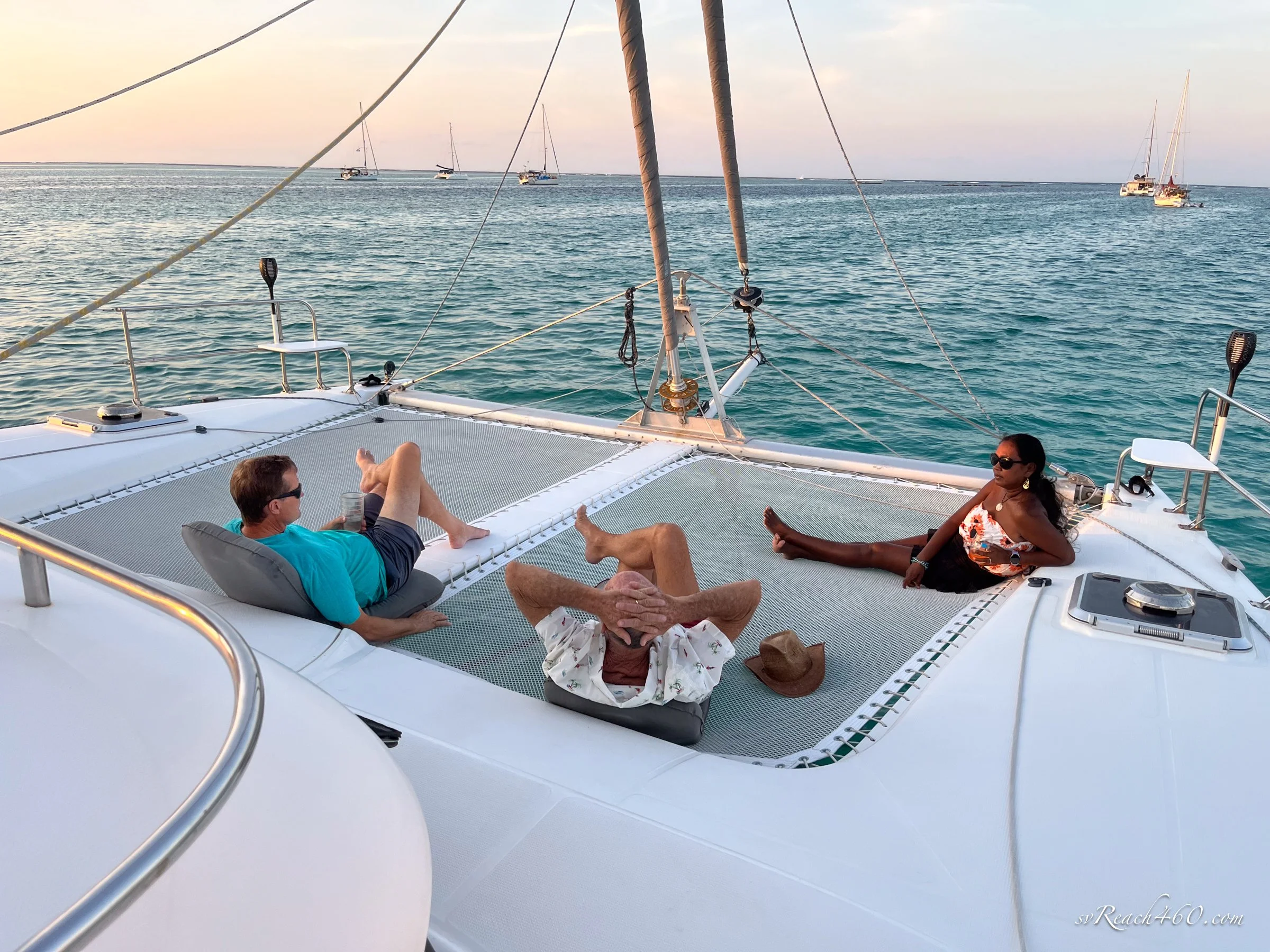
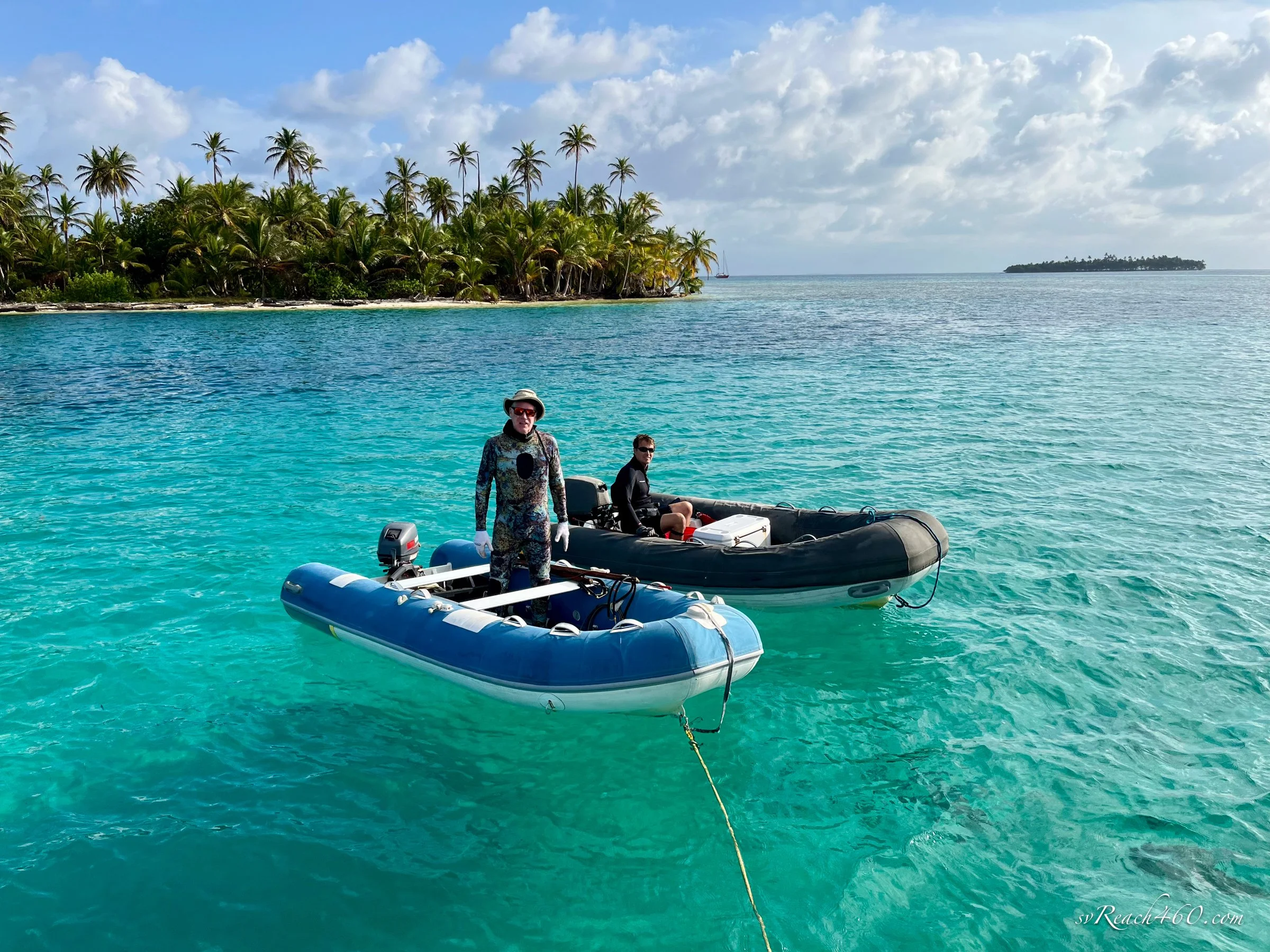

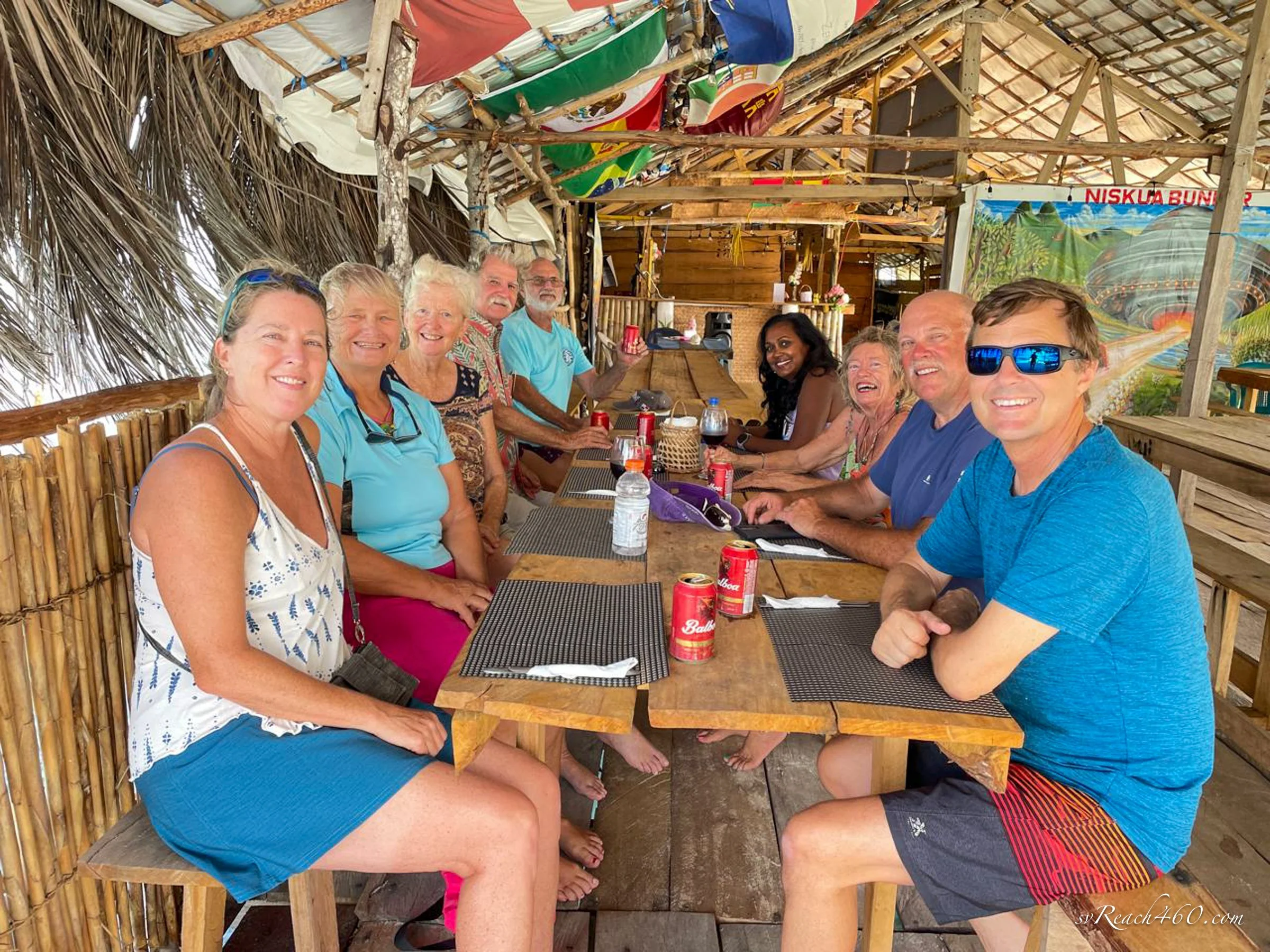
The Swimming Pool
We did spend a good amount of time in the Swimming Pool anchorage. Even with the charter boats and strong currents, it has the loveliest waters and many reefs for me to visit with my camera.
The best part about our time in the San Blas was the ability to revisit these reefs and critters on a daily basis, and practice with my camera and some new gear.
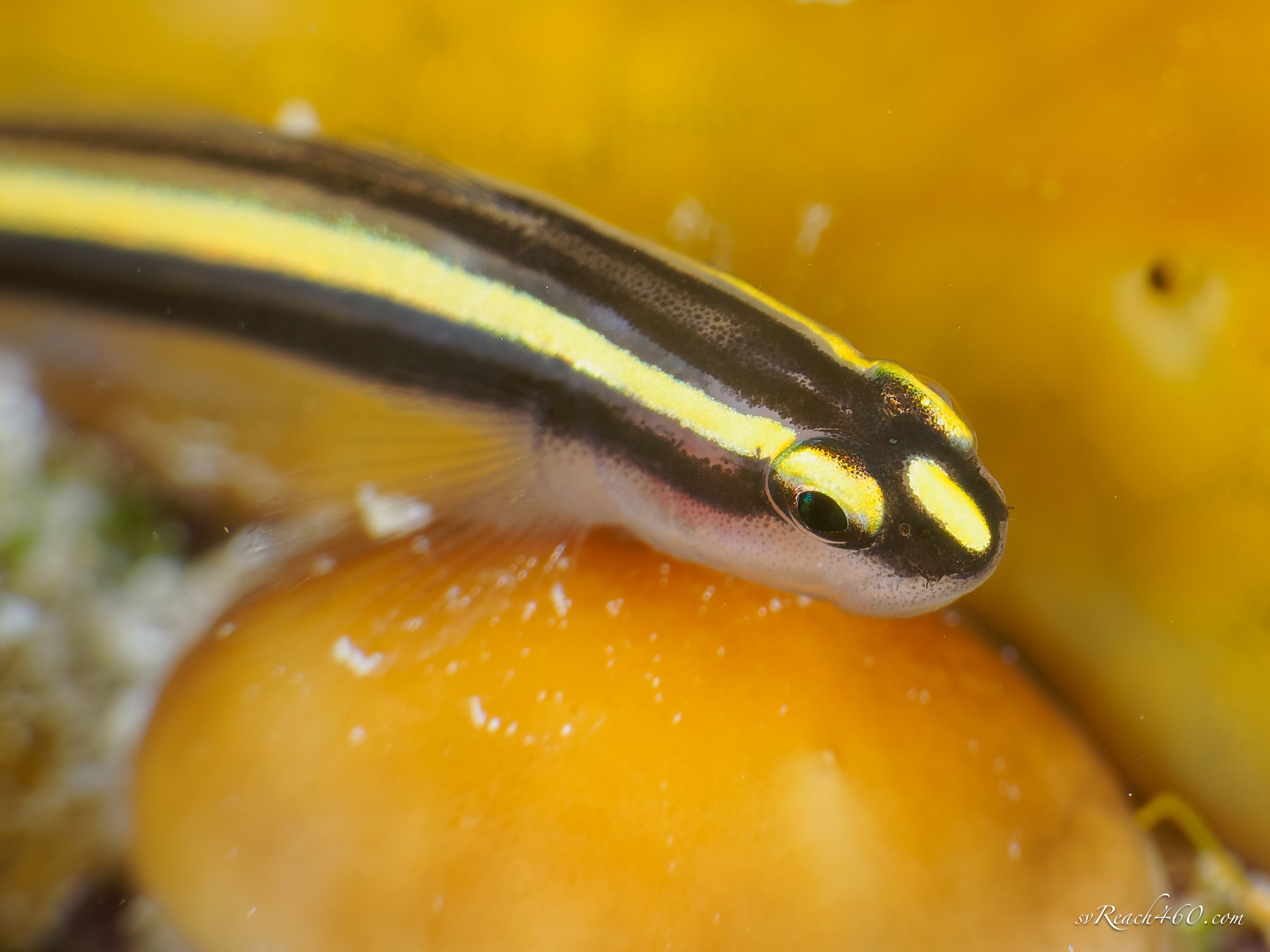
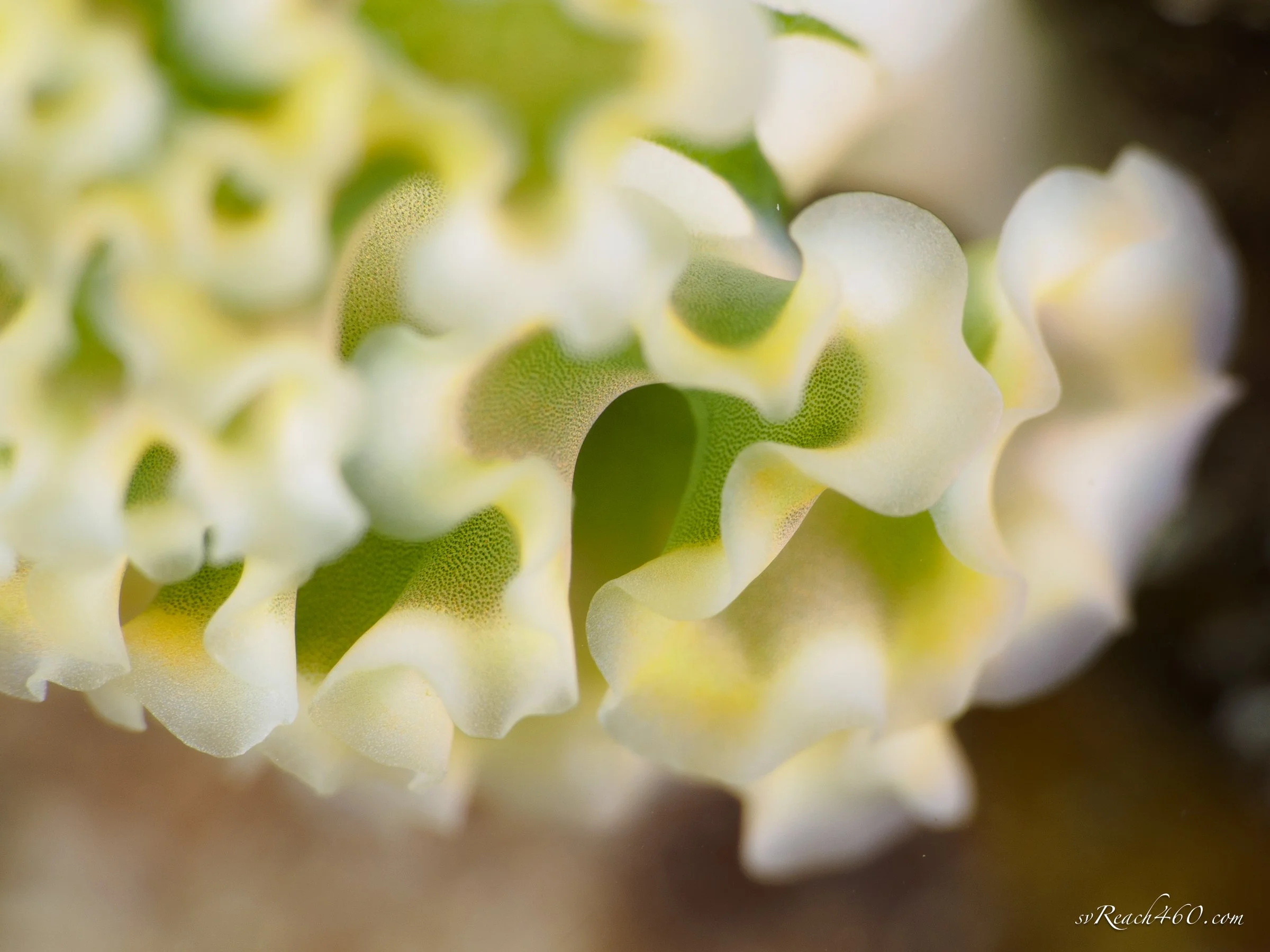
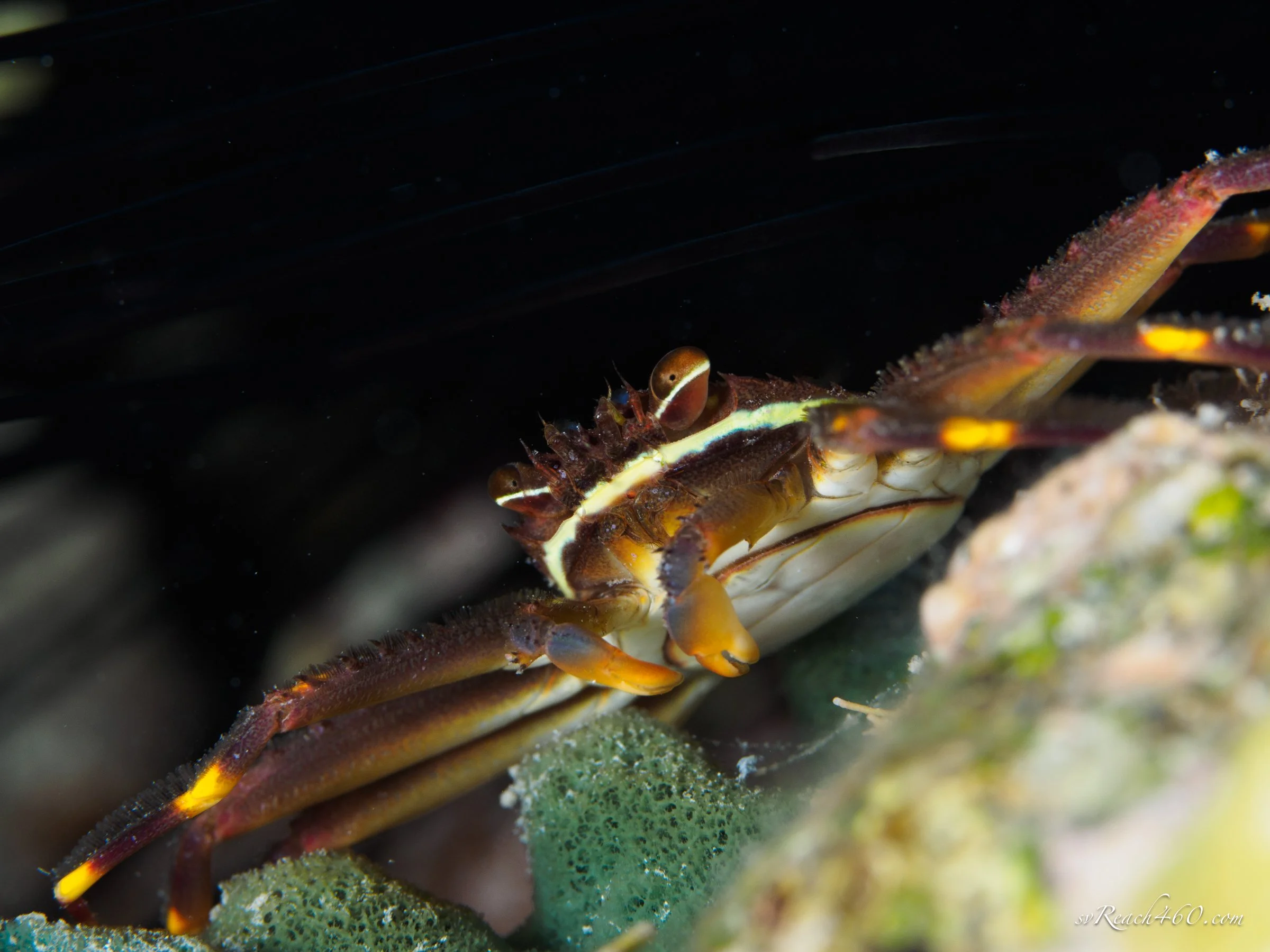
It took some time getting used to the Nauticam CMC-1 wet lens (~4.5x) that I added on a flip-diopter on my Olympus 60mm macro lens. This lens combo has a narrow focal range at about 1 inch from the subject. Talk about close-up!
The crazy part is that it renders at 2:1 on the sensor, meaning that the subject will project at 2x life-size on the sensor. Quite the fun challenge, especially freediving.
Supermacro ~
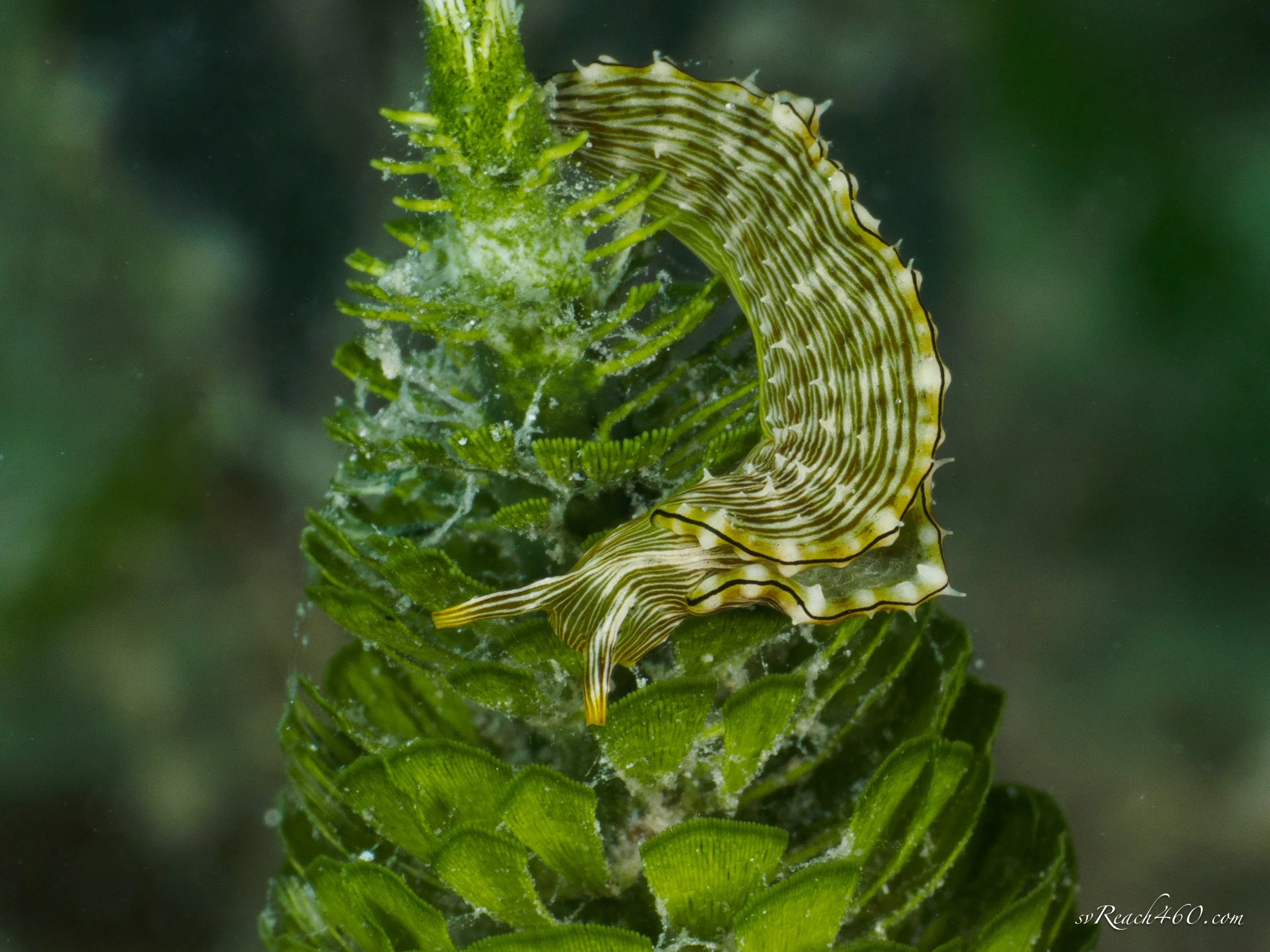
Leech aglaja
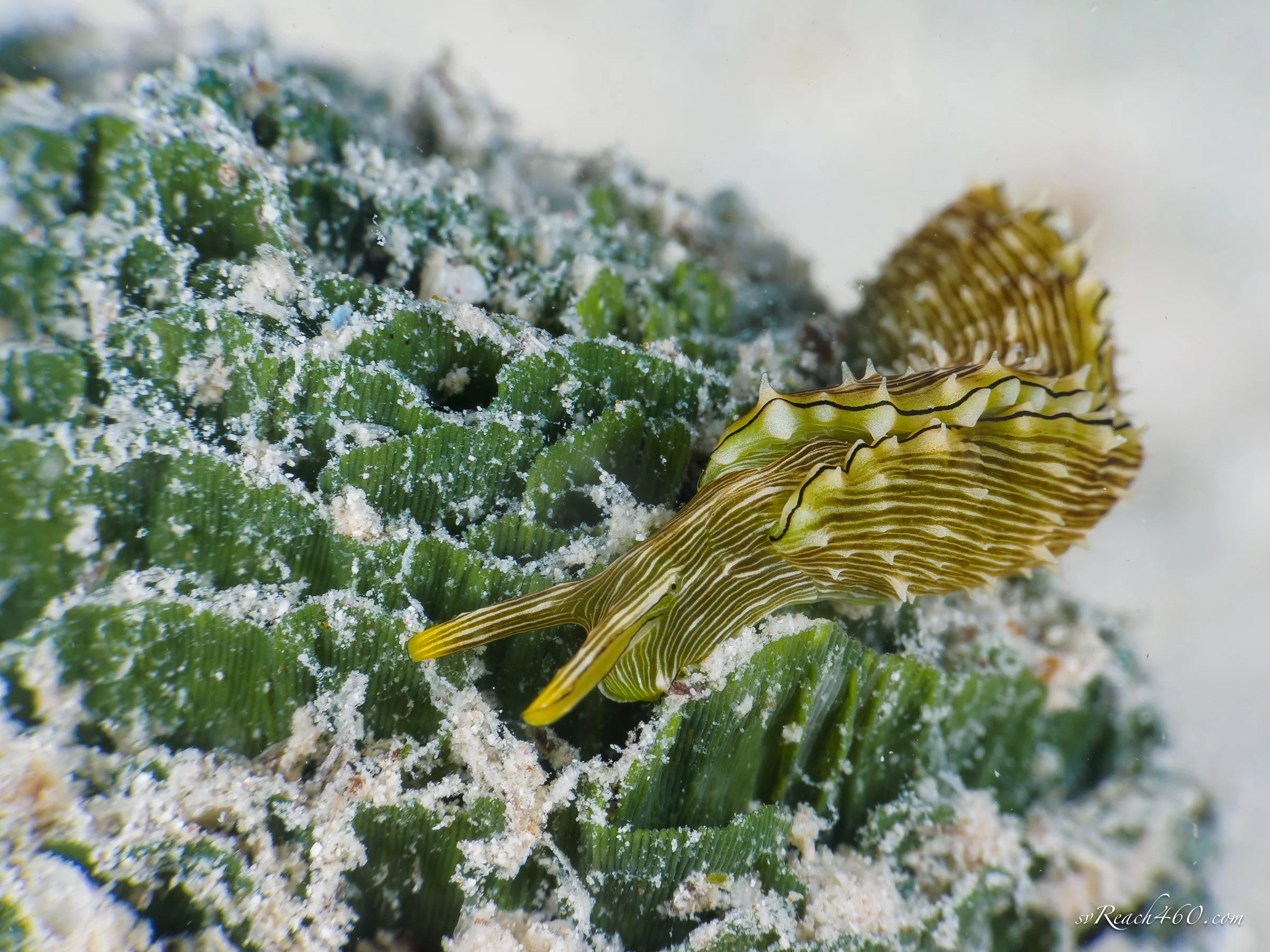
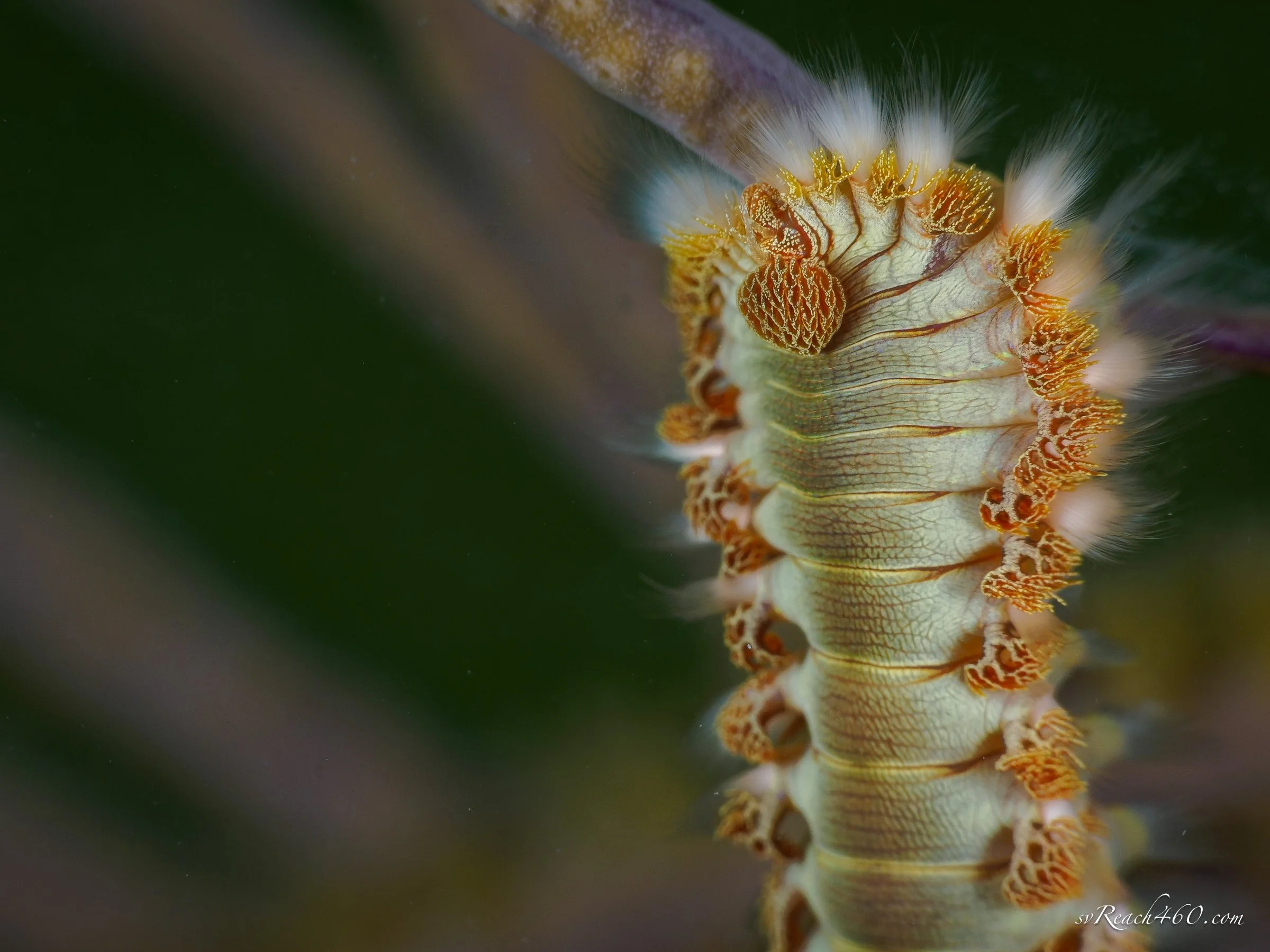
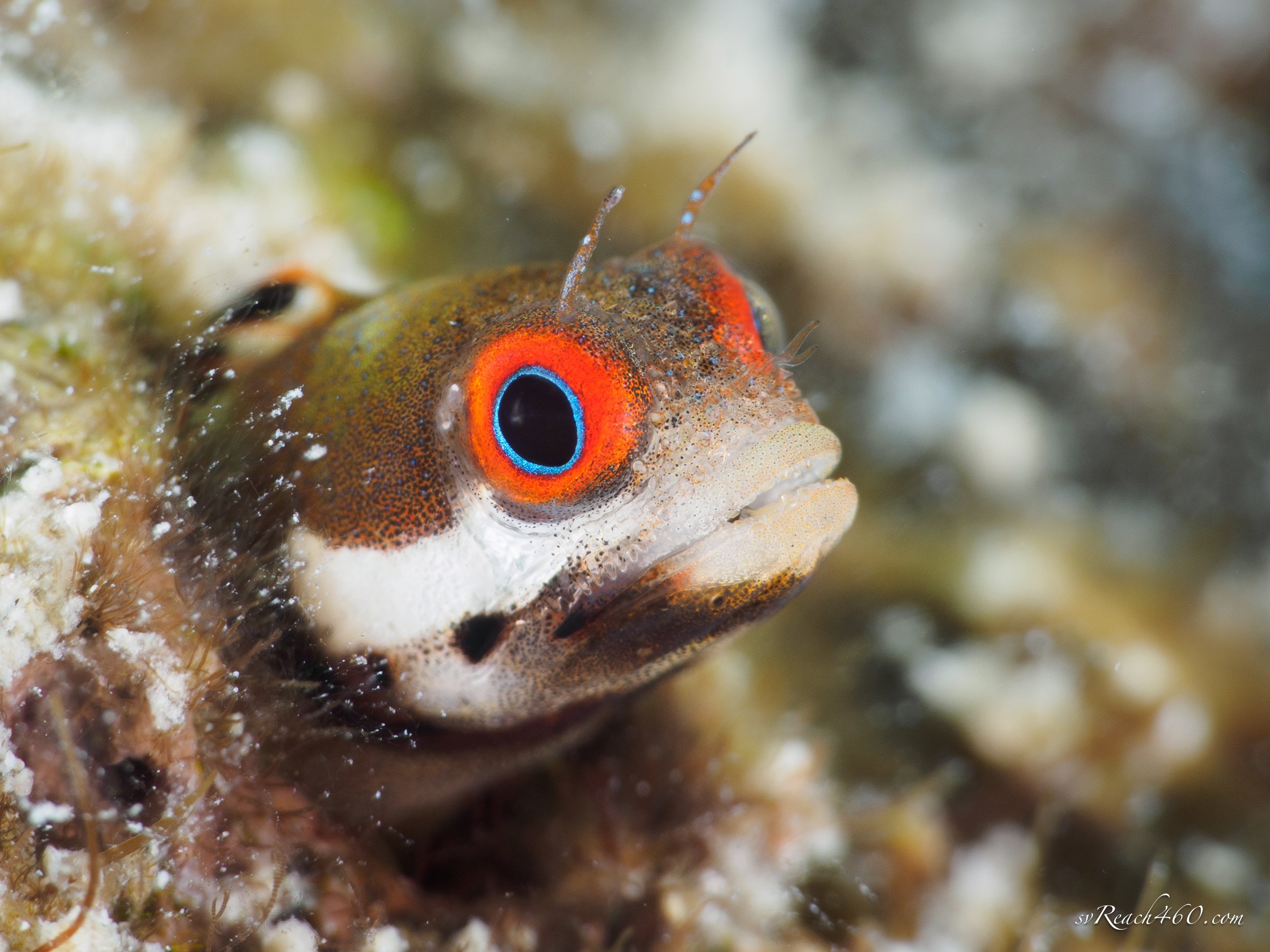
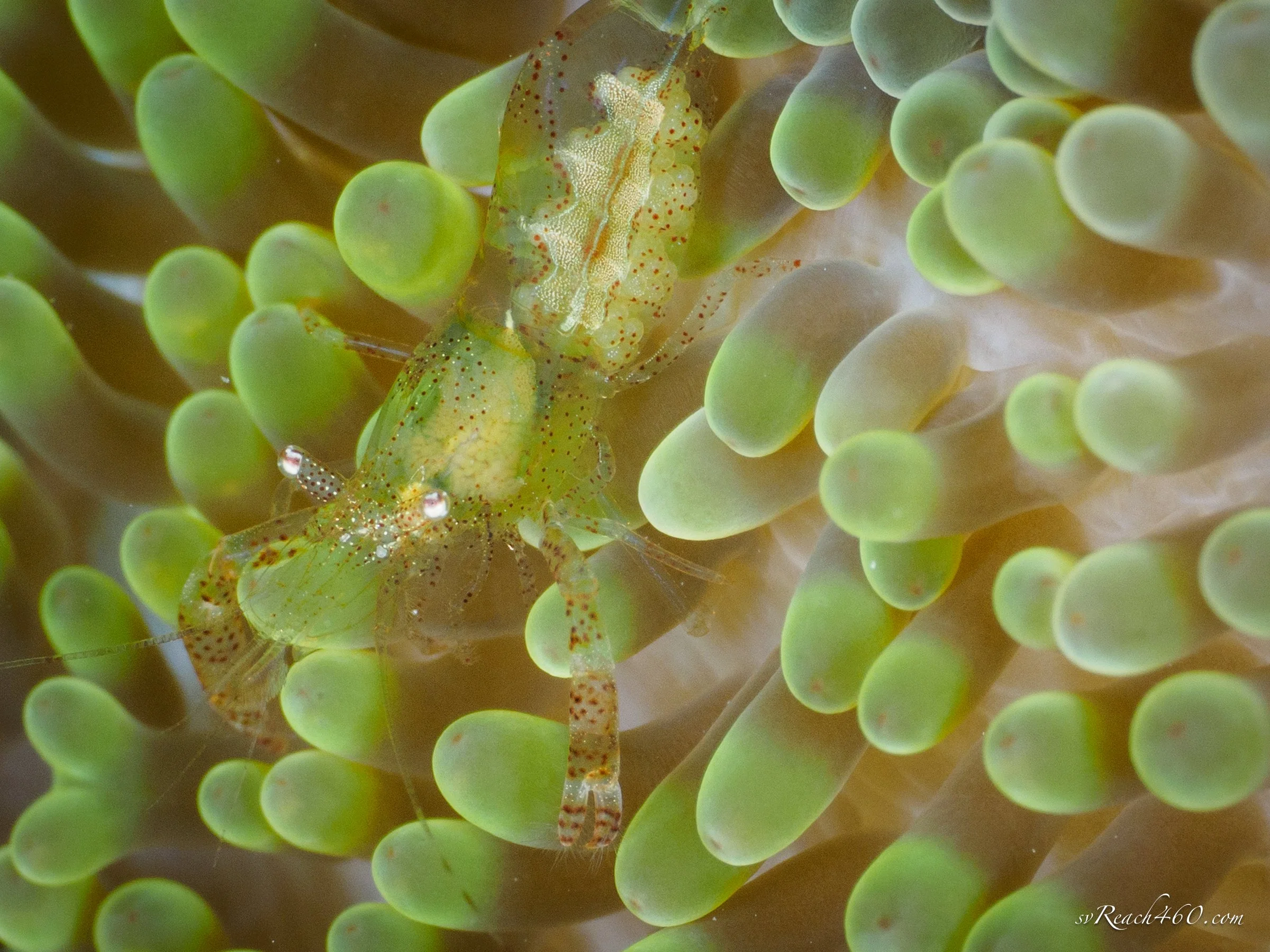
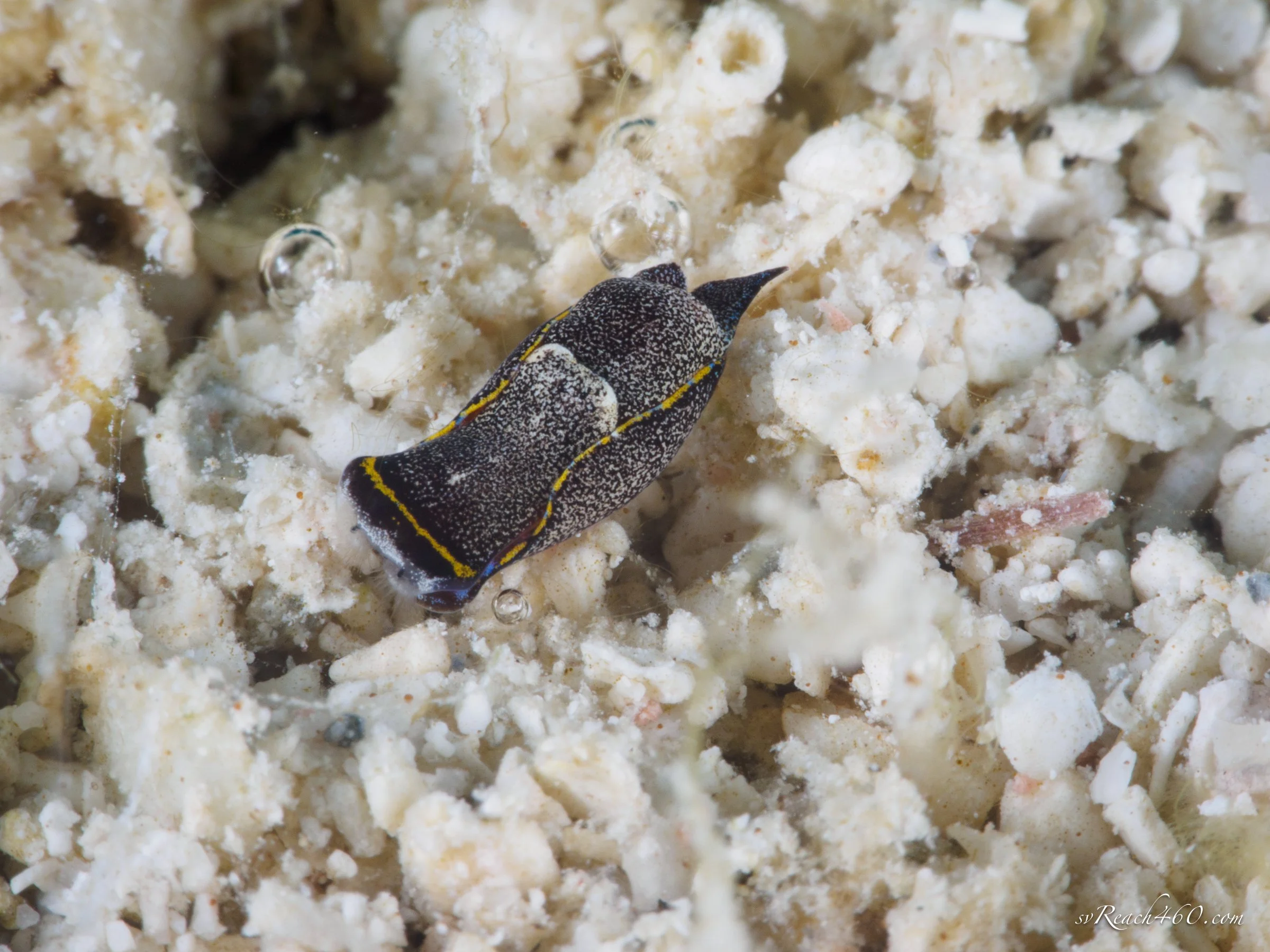
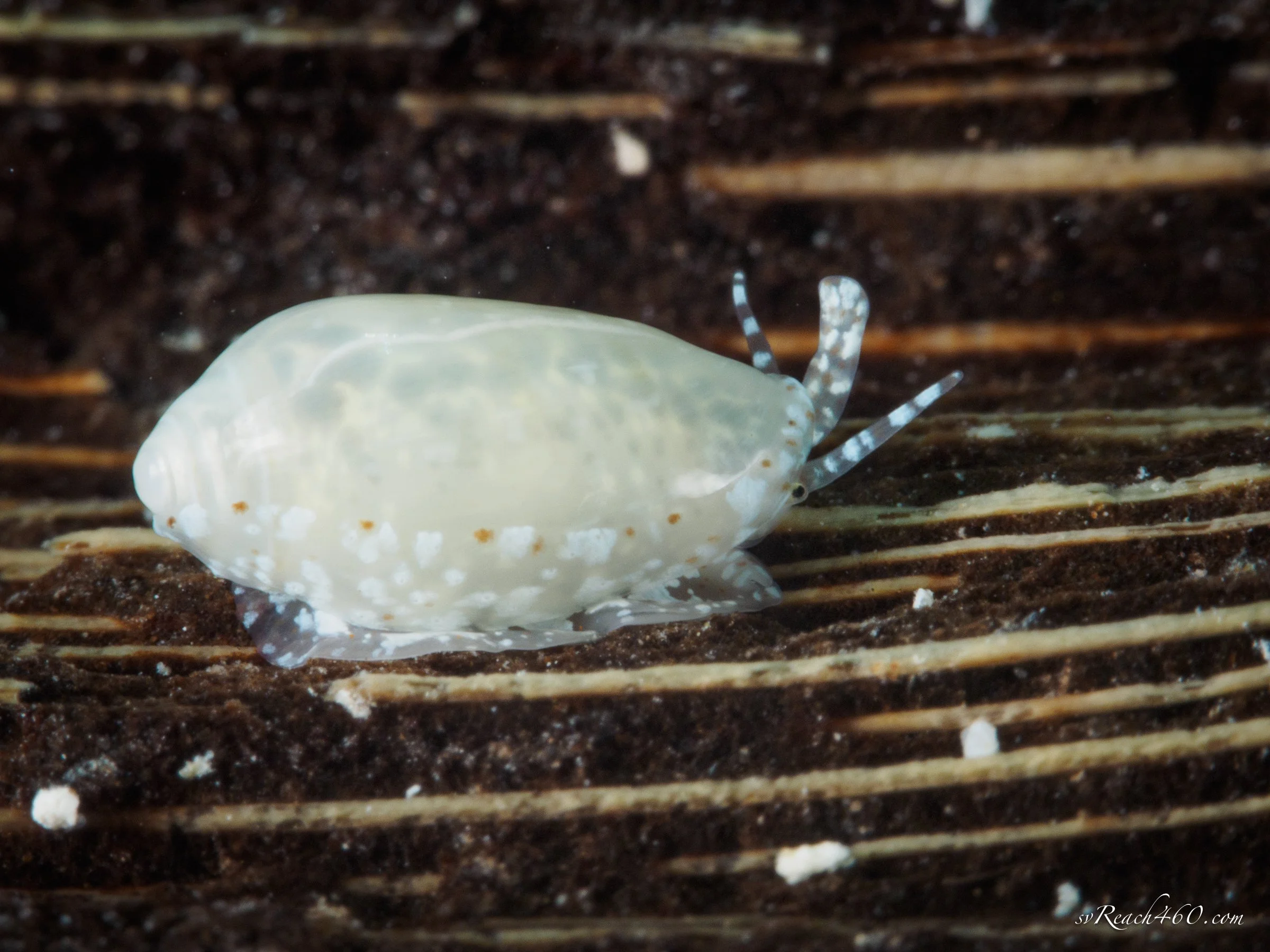
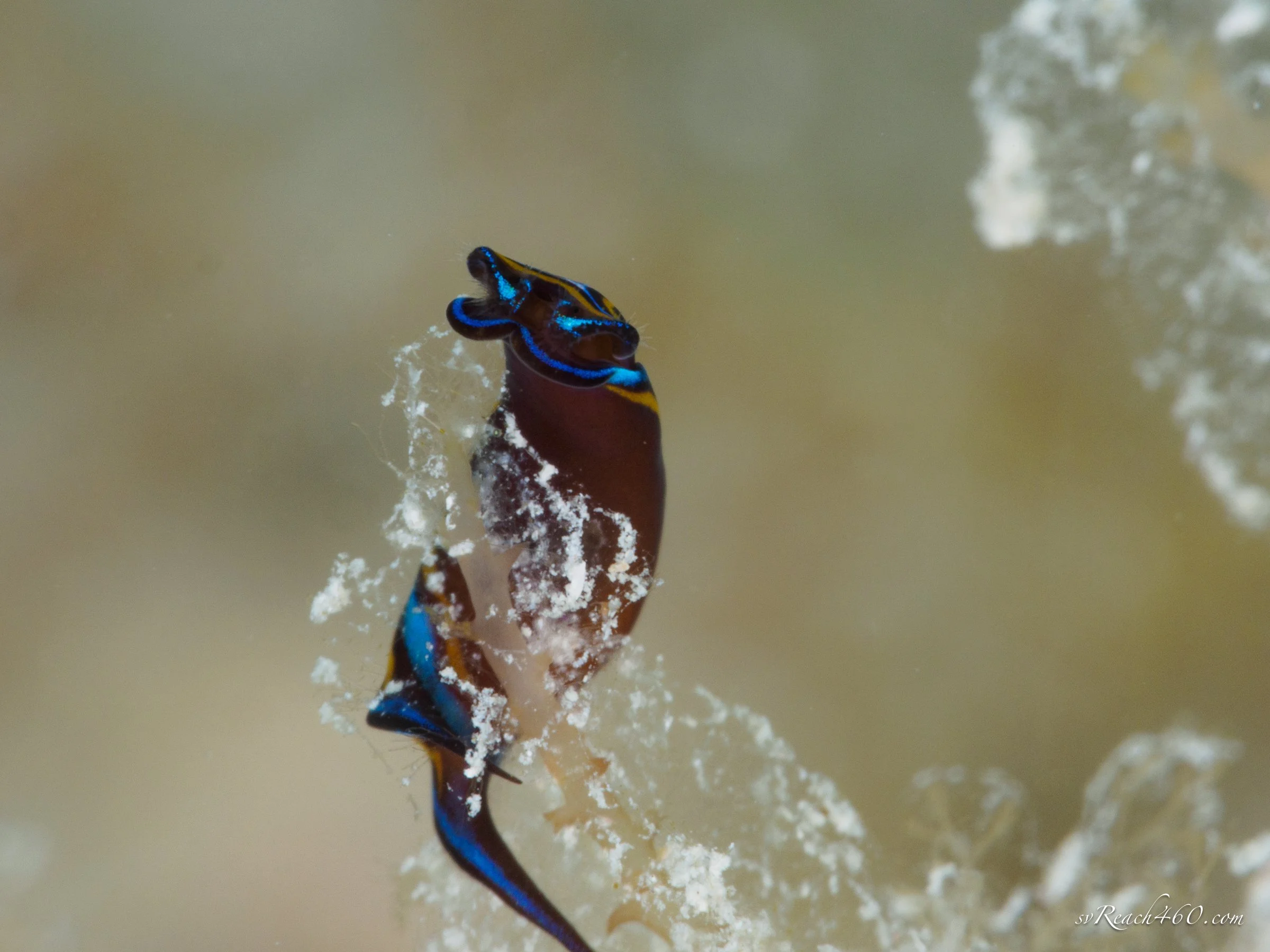

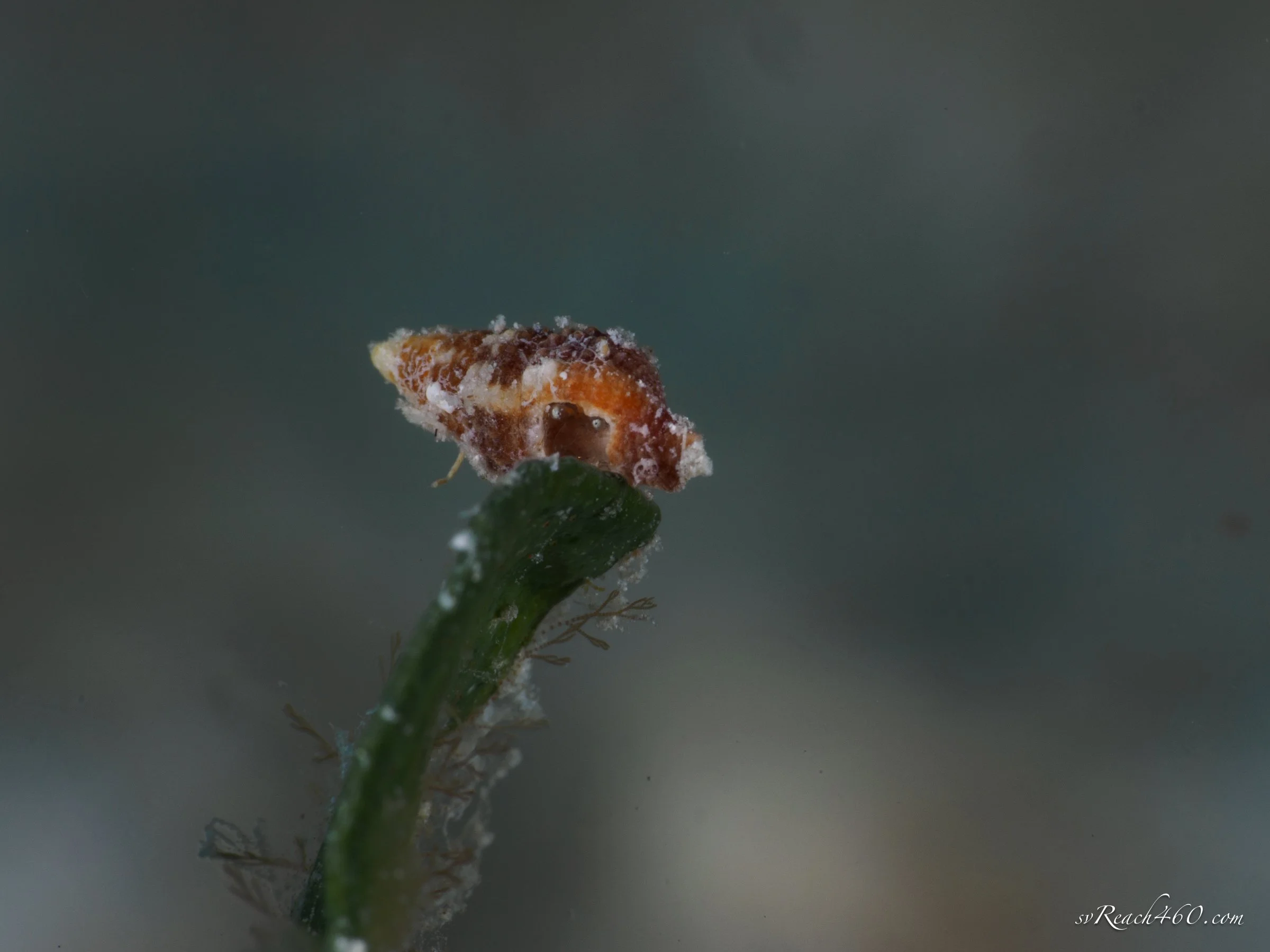
Hawkwing conch
Shapes & patterns ~
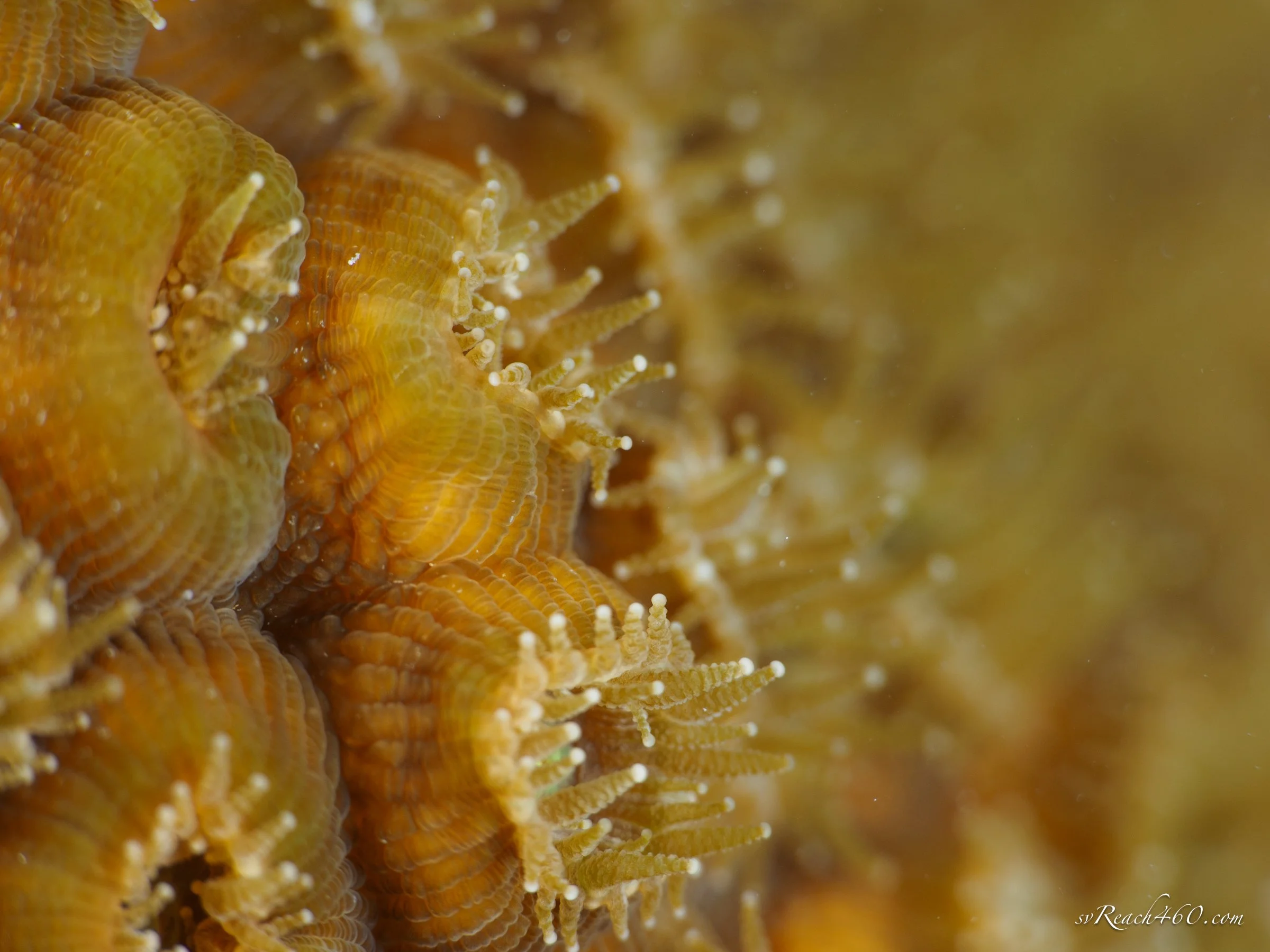
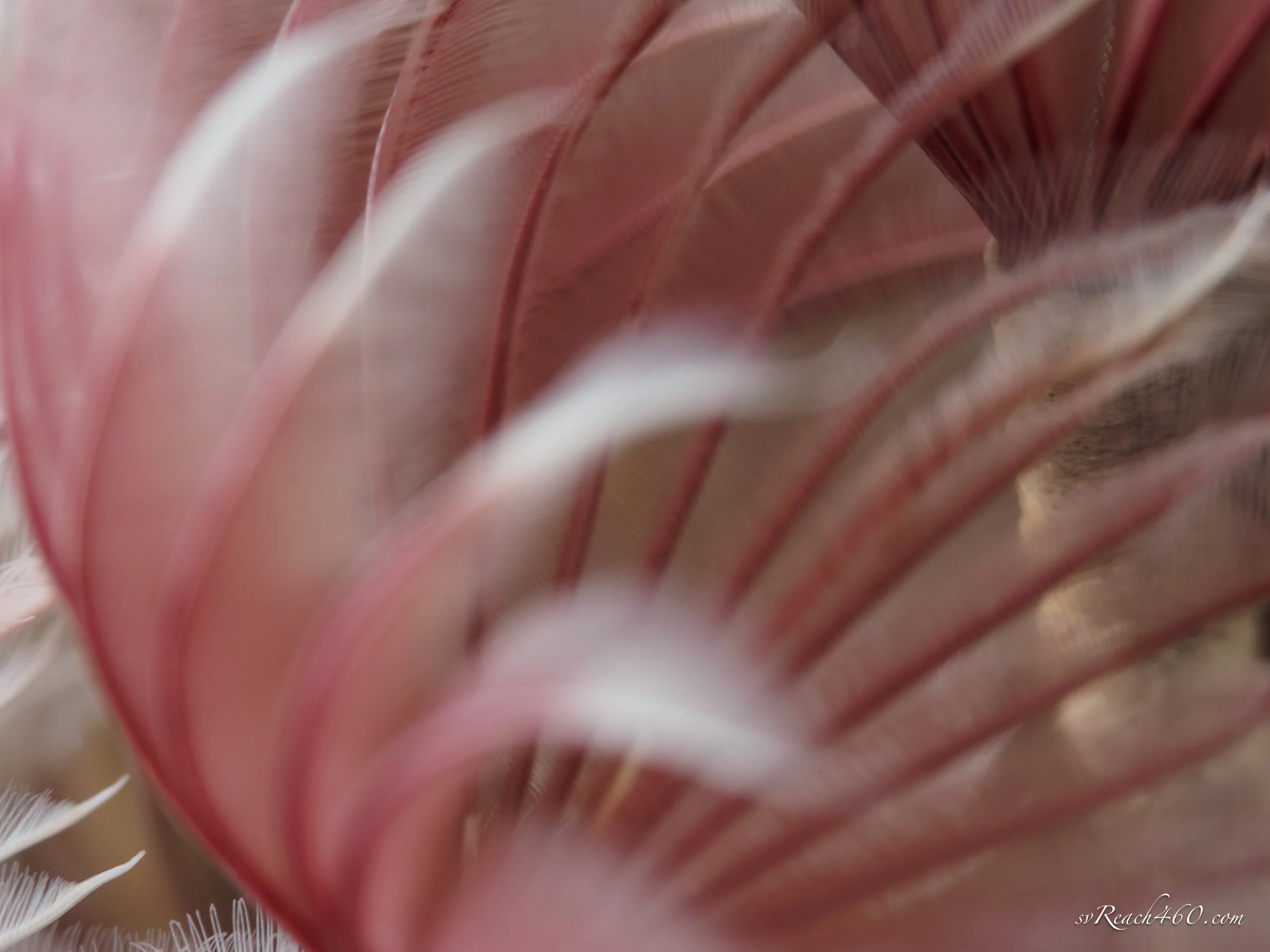
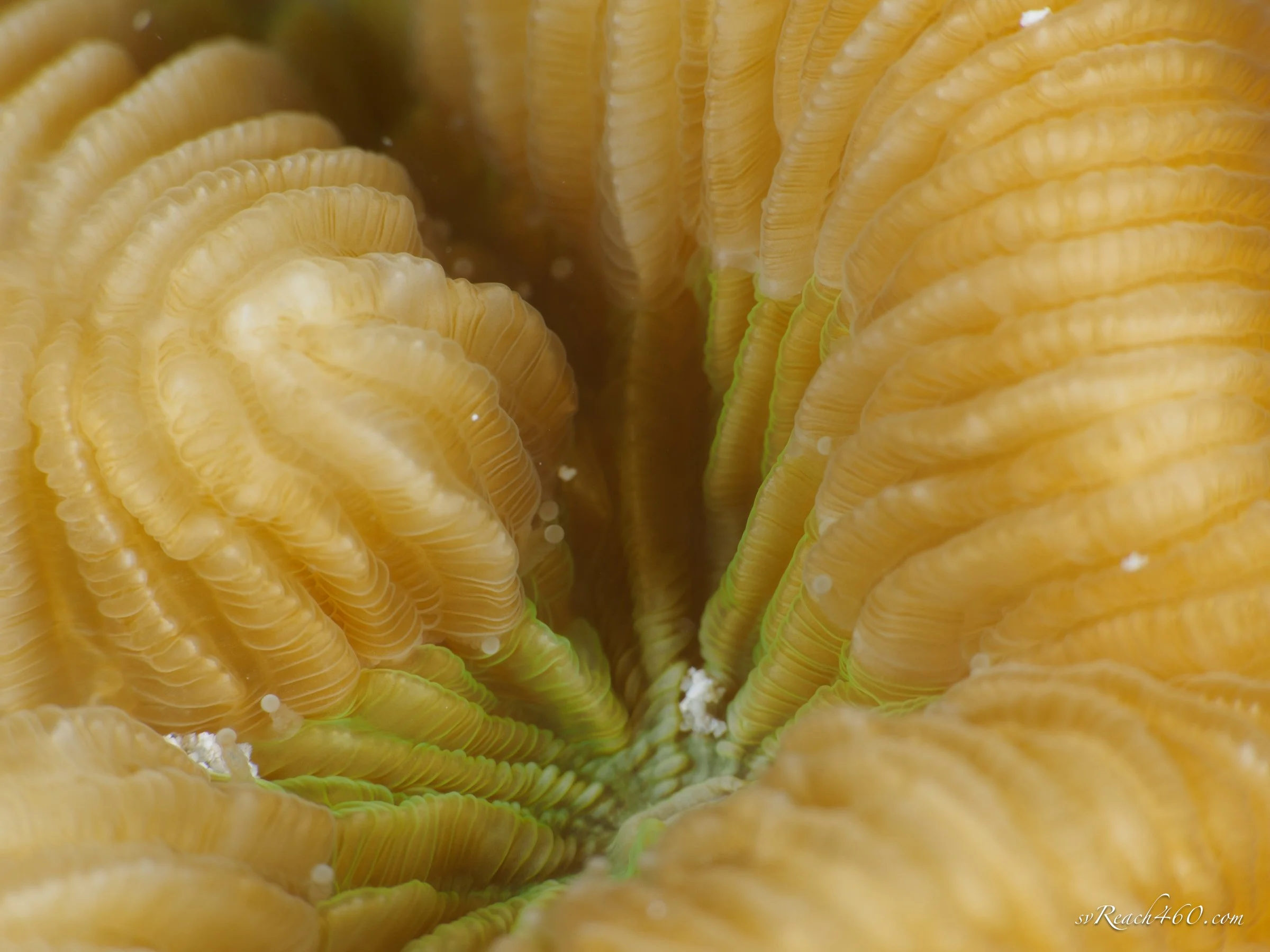
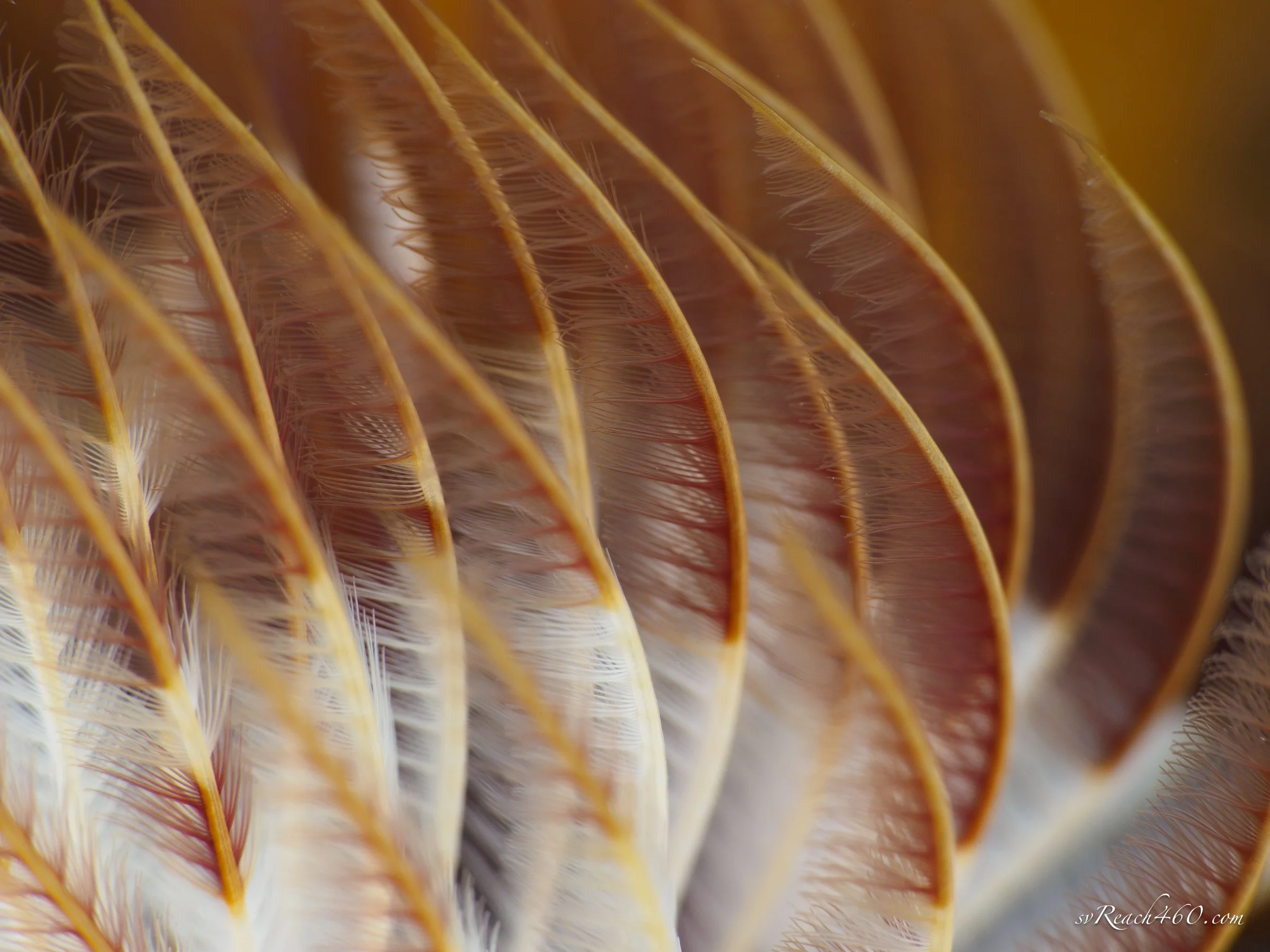
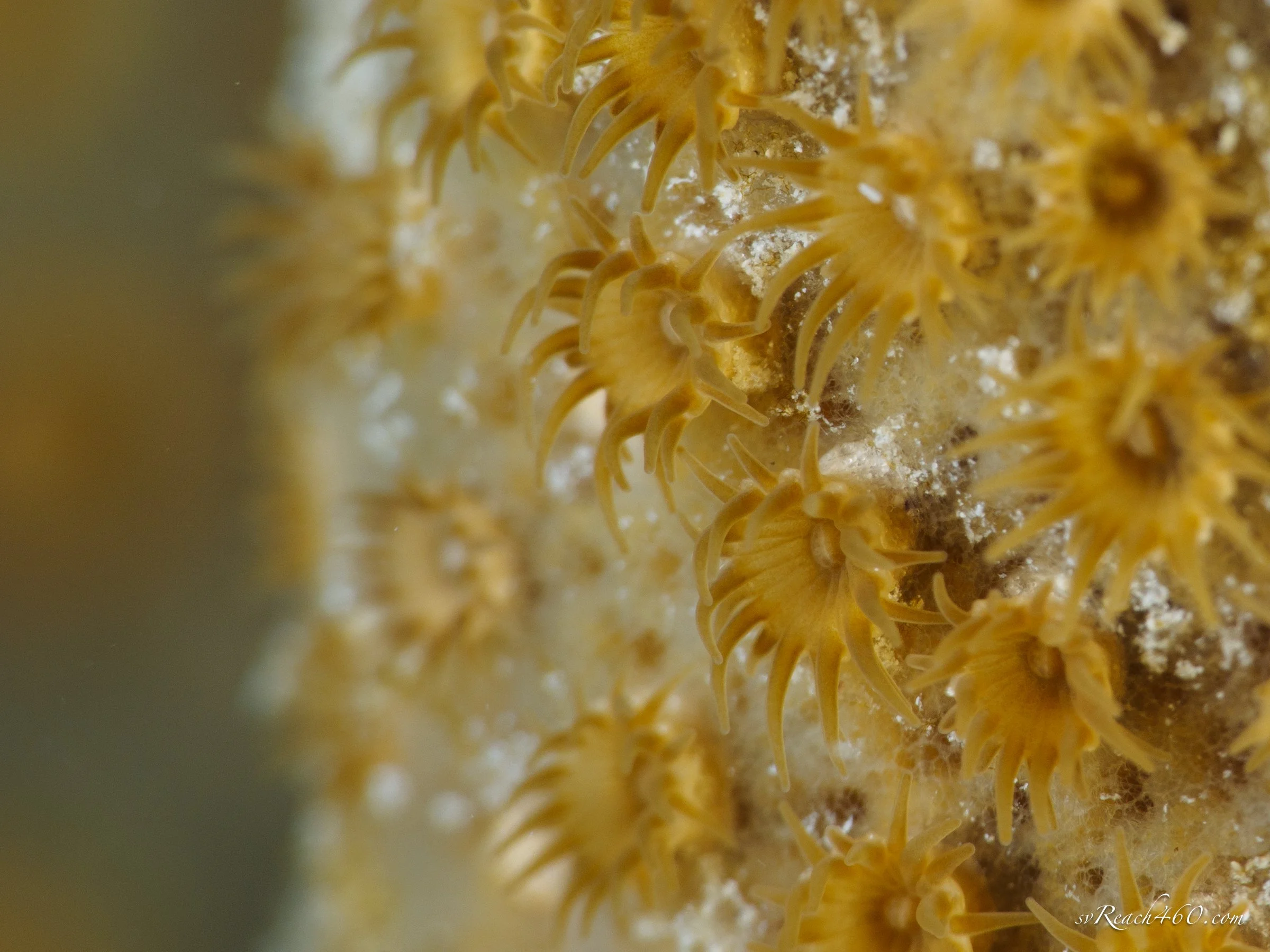
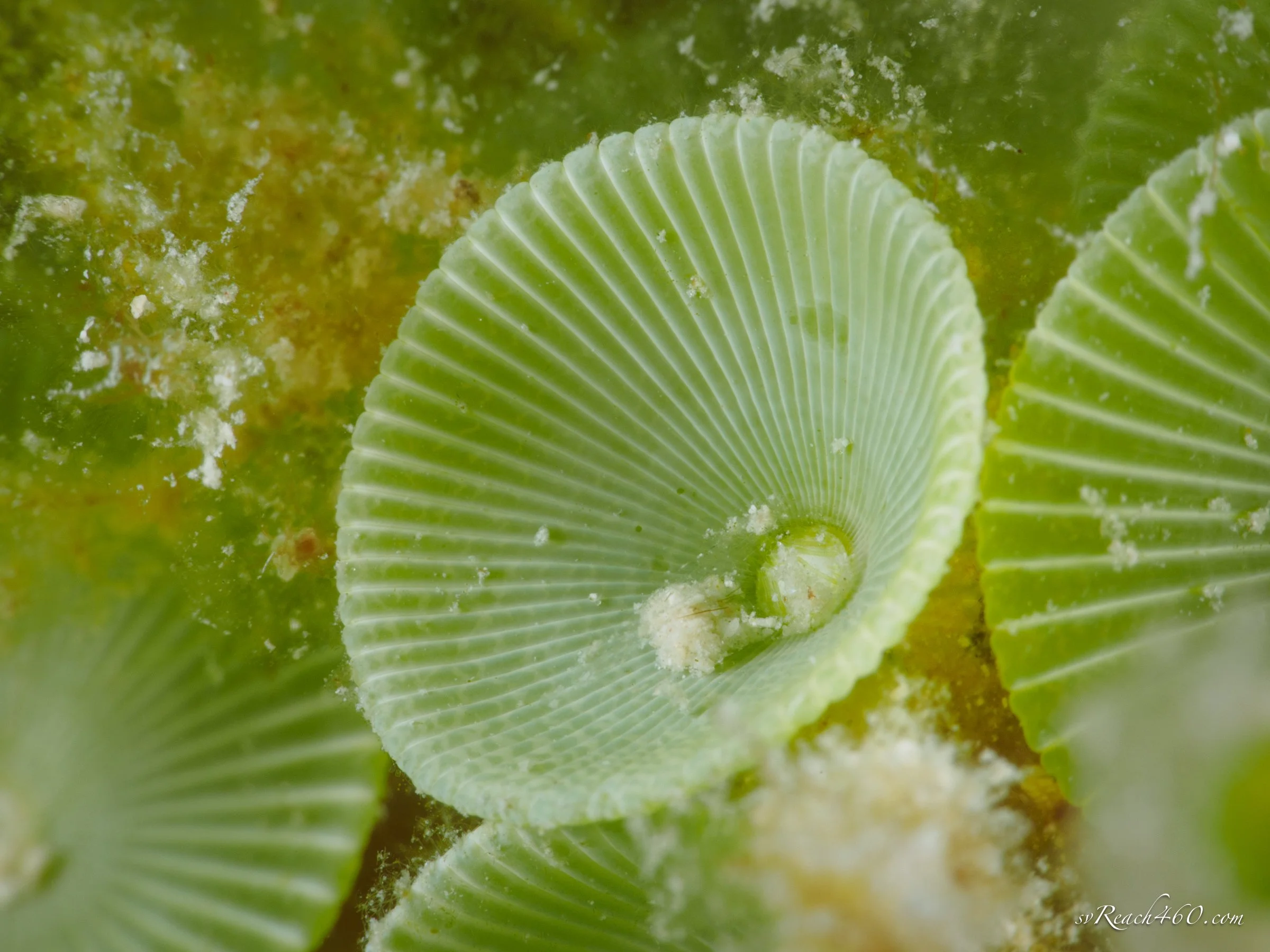
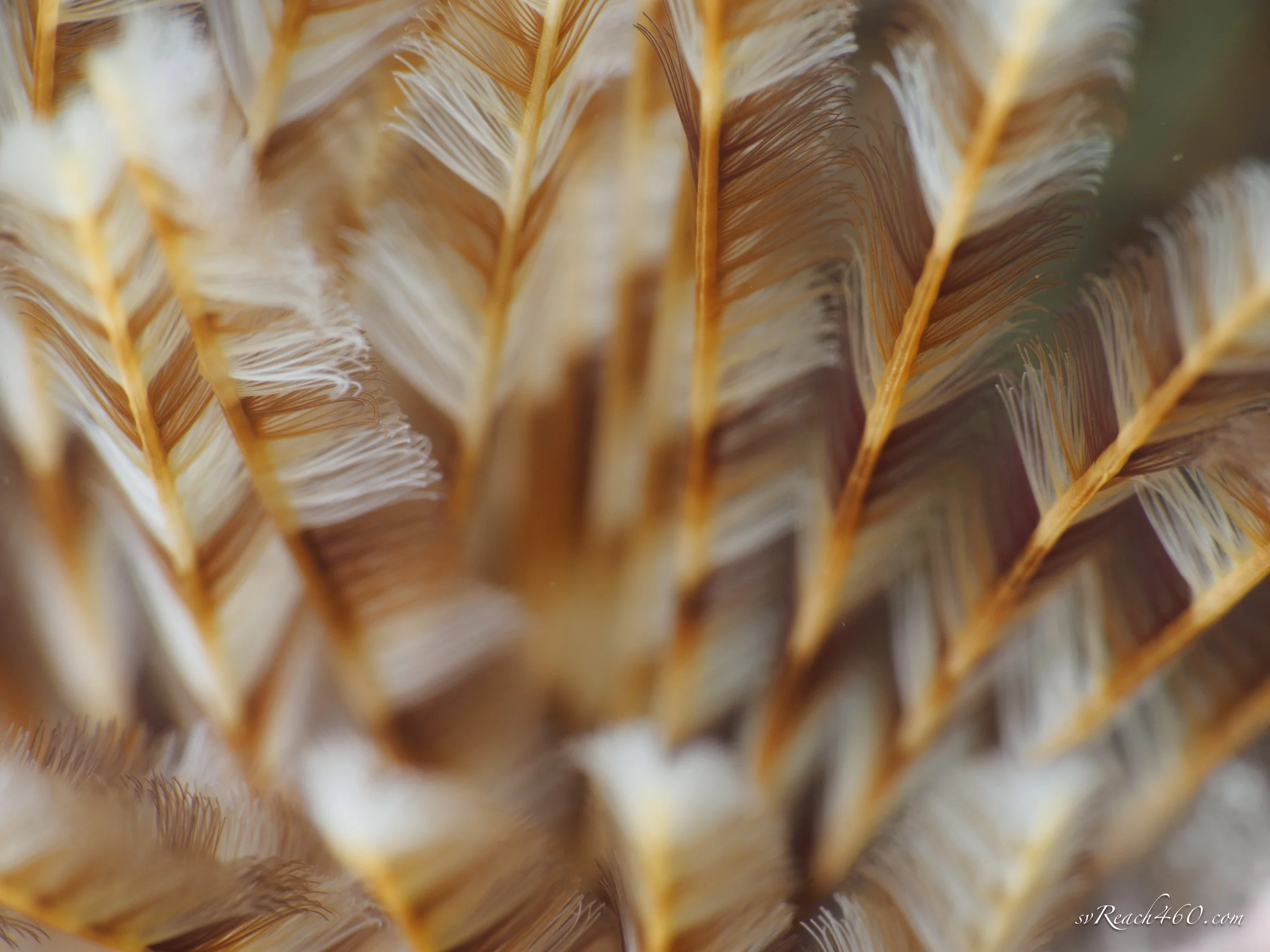
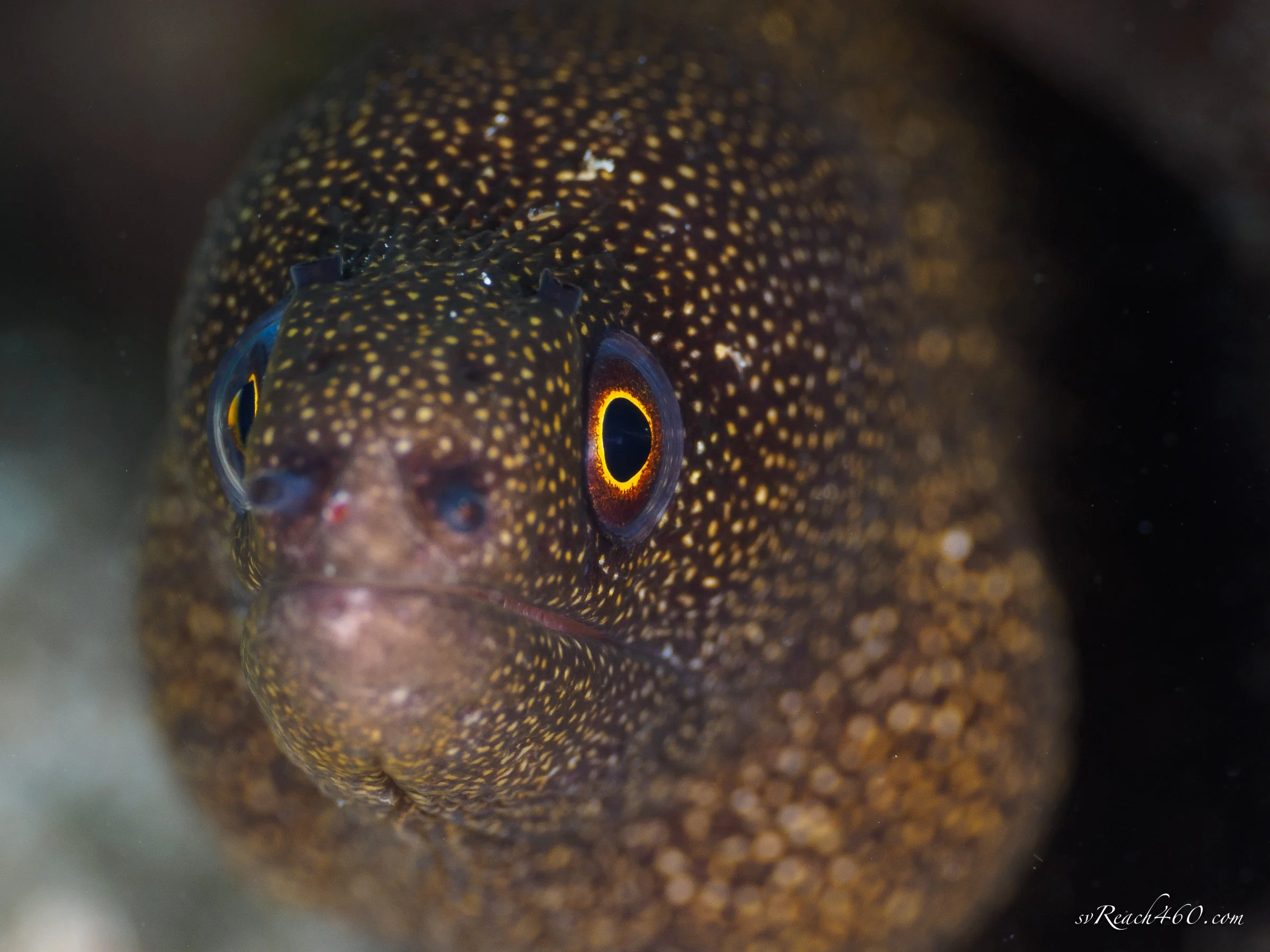
Goldentail moray eel
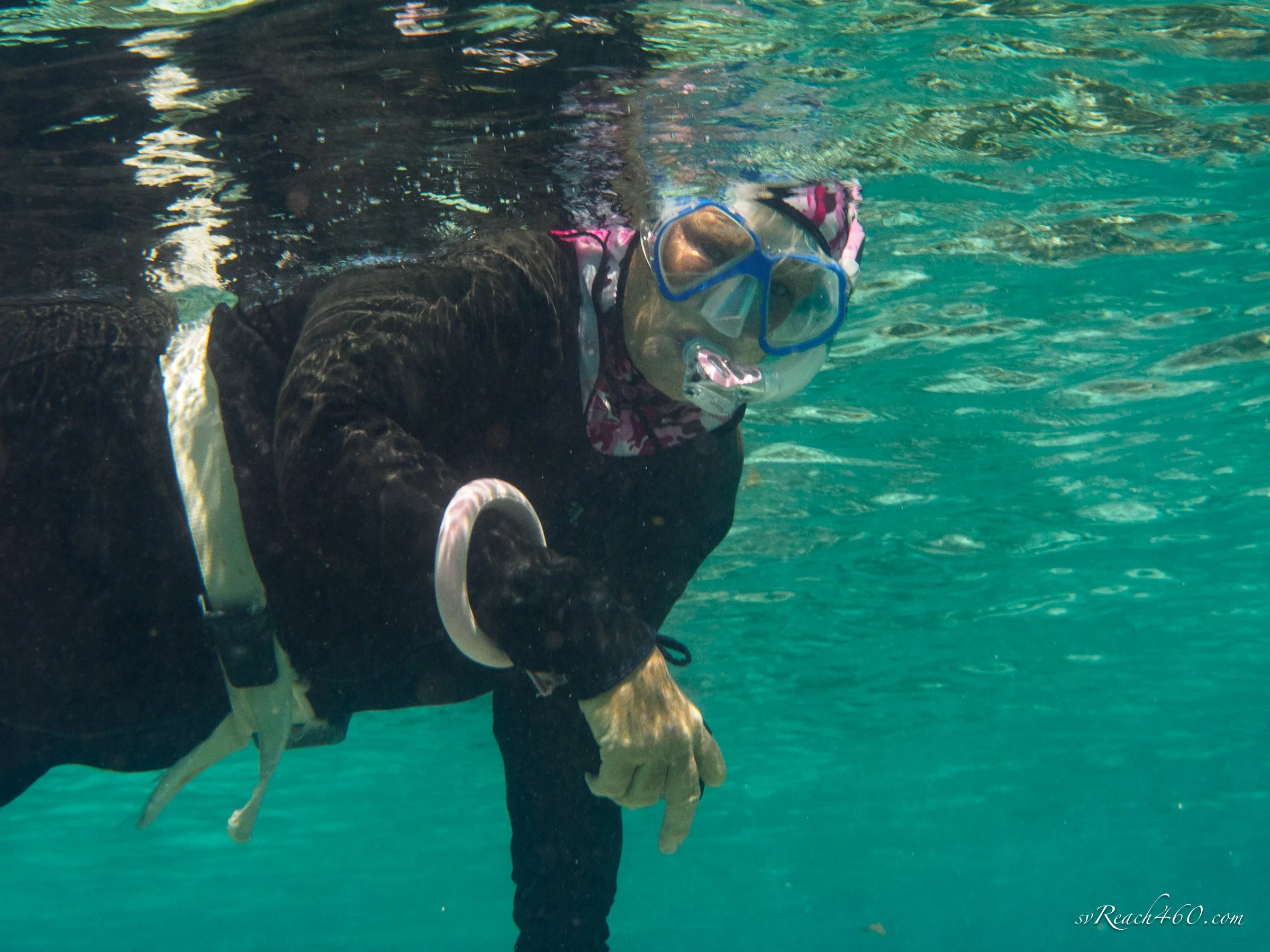
It was nice to share underwater time with Sharda and Dianne on occasion, both great spotters.


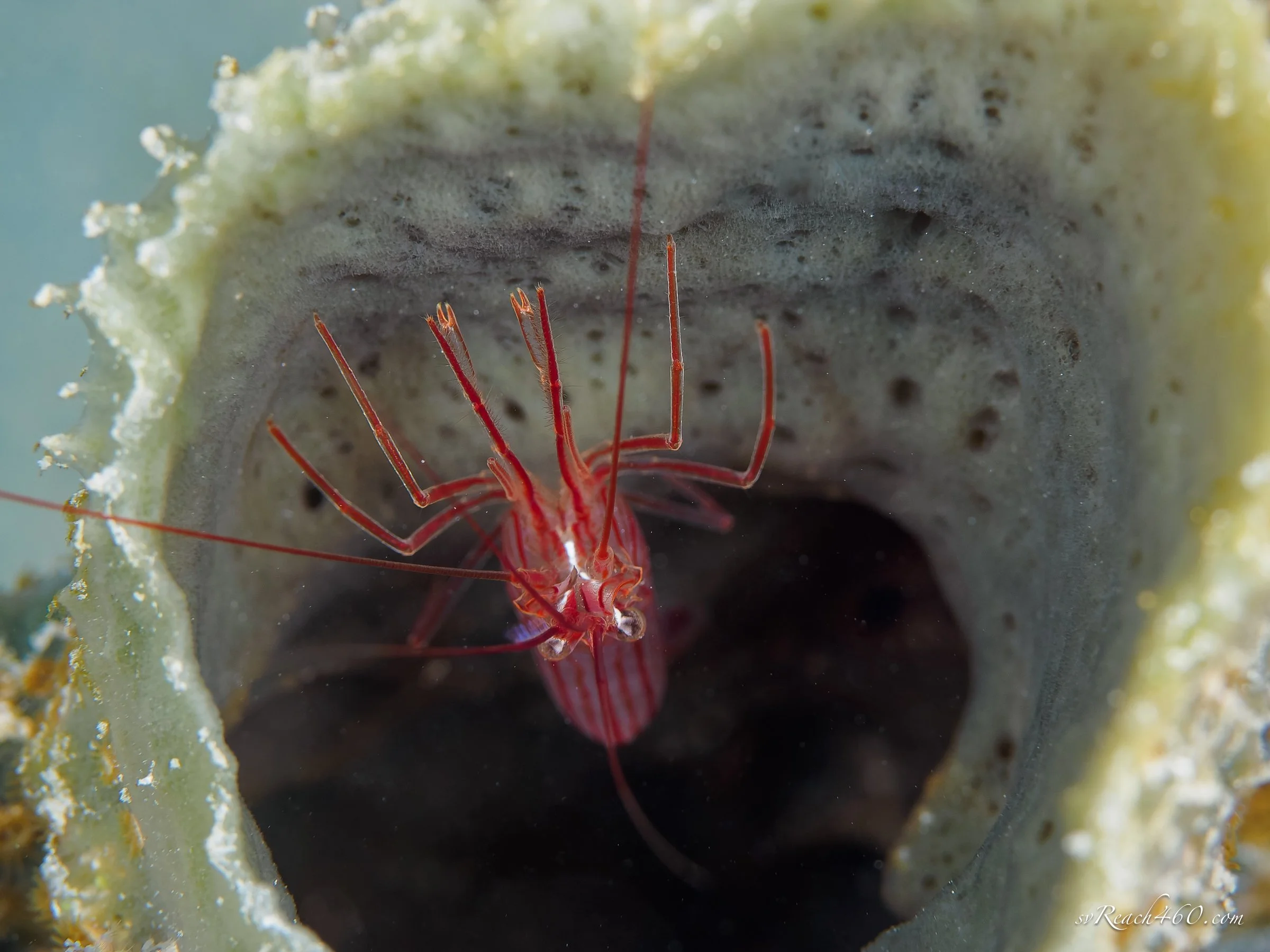
Regular macro ~
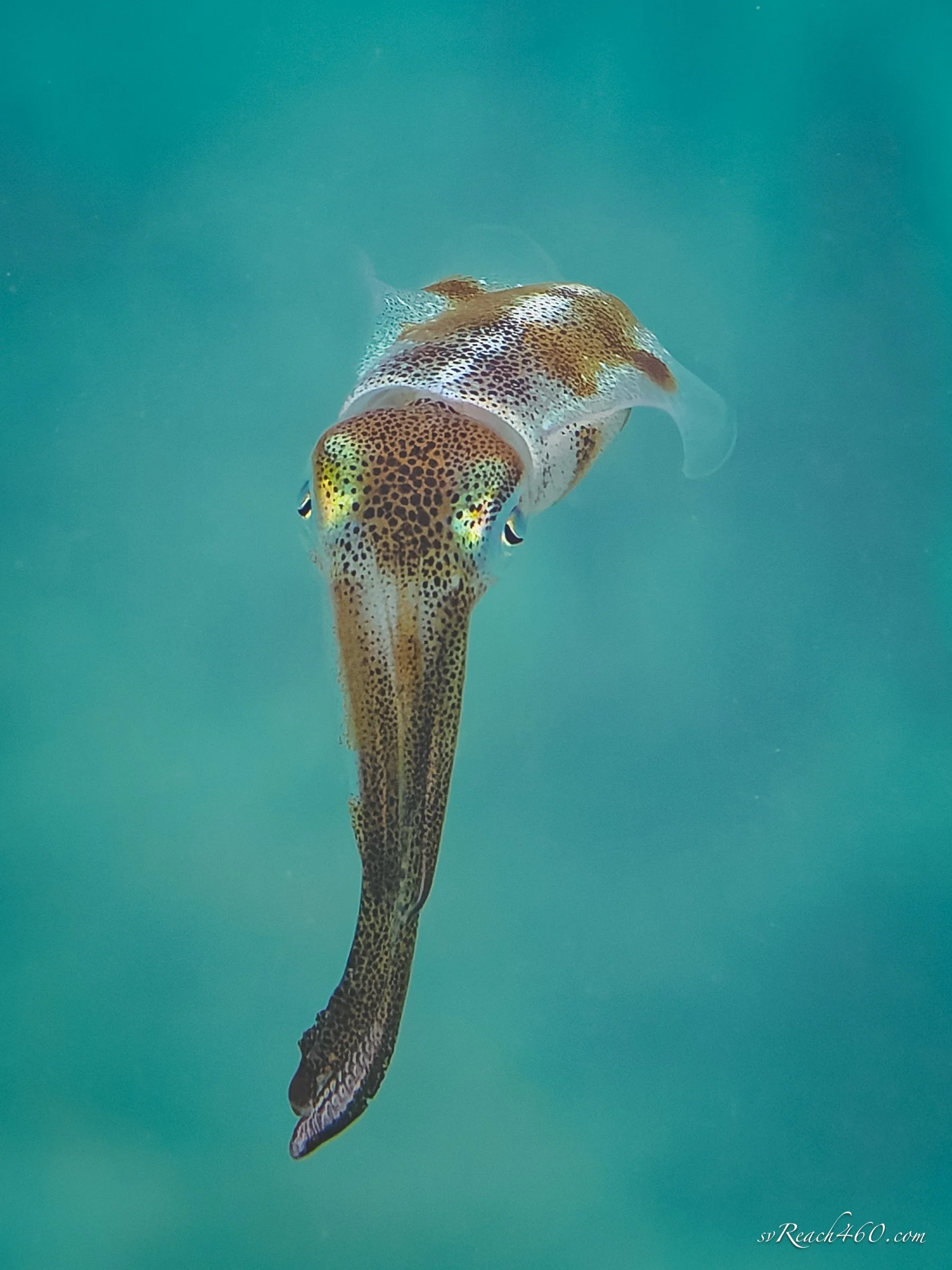
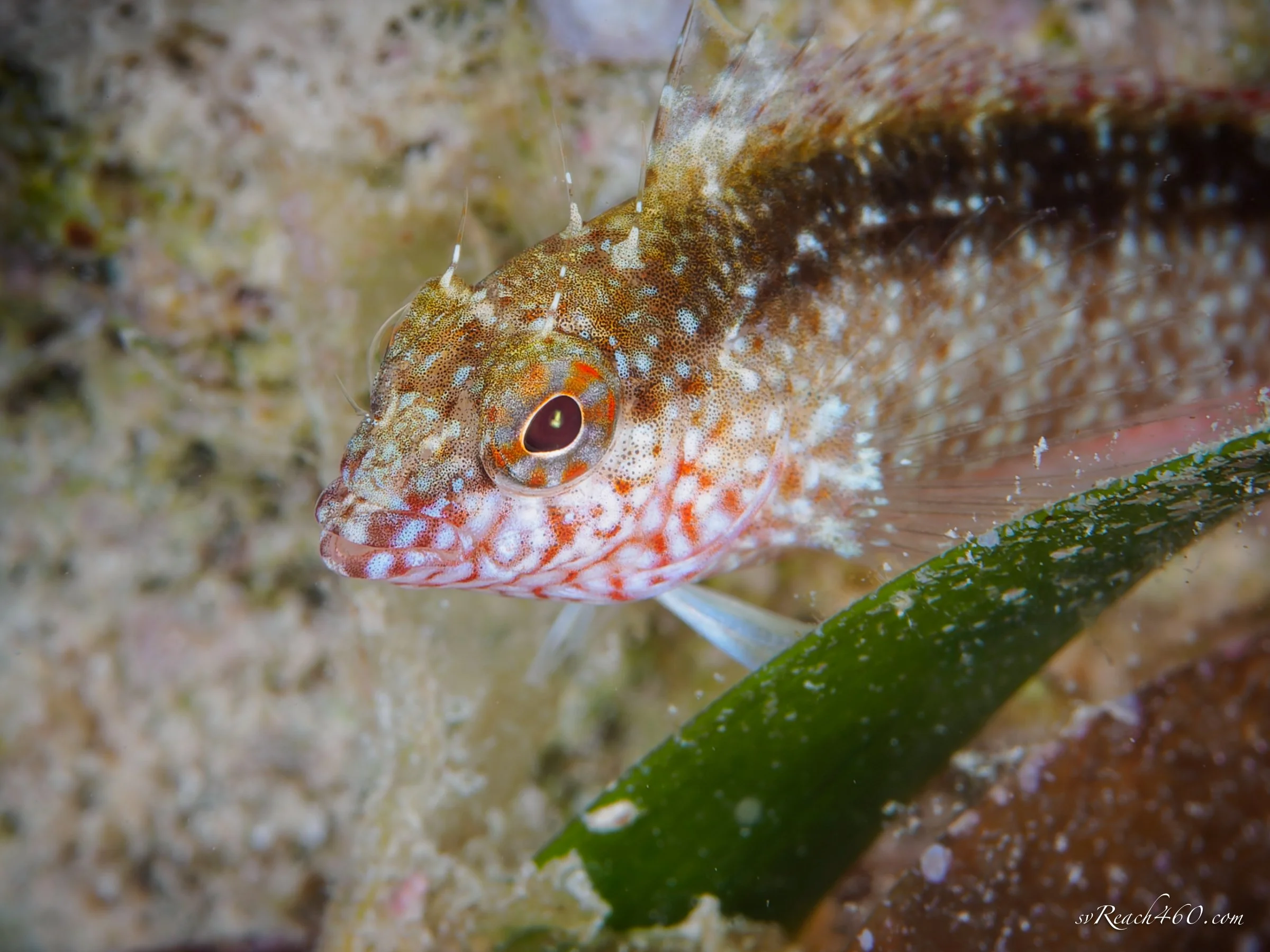
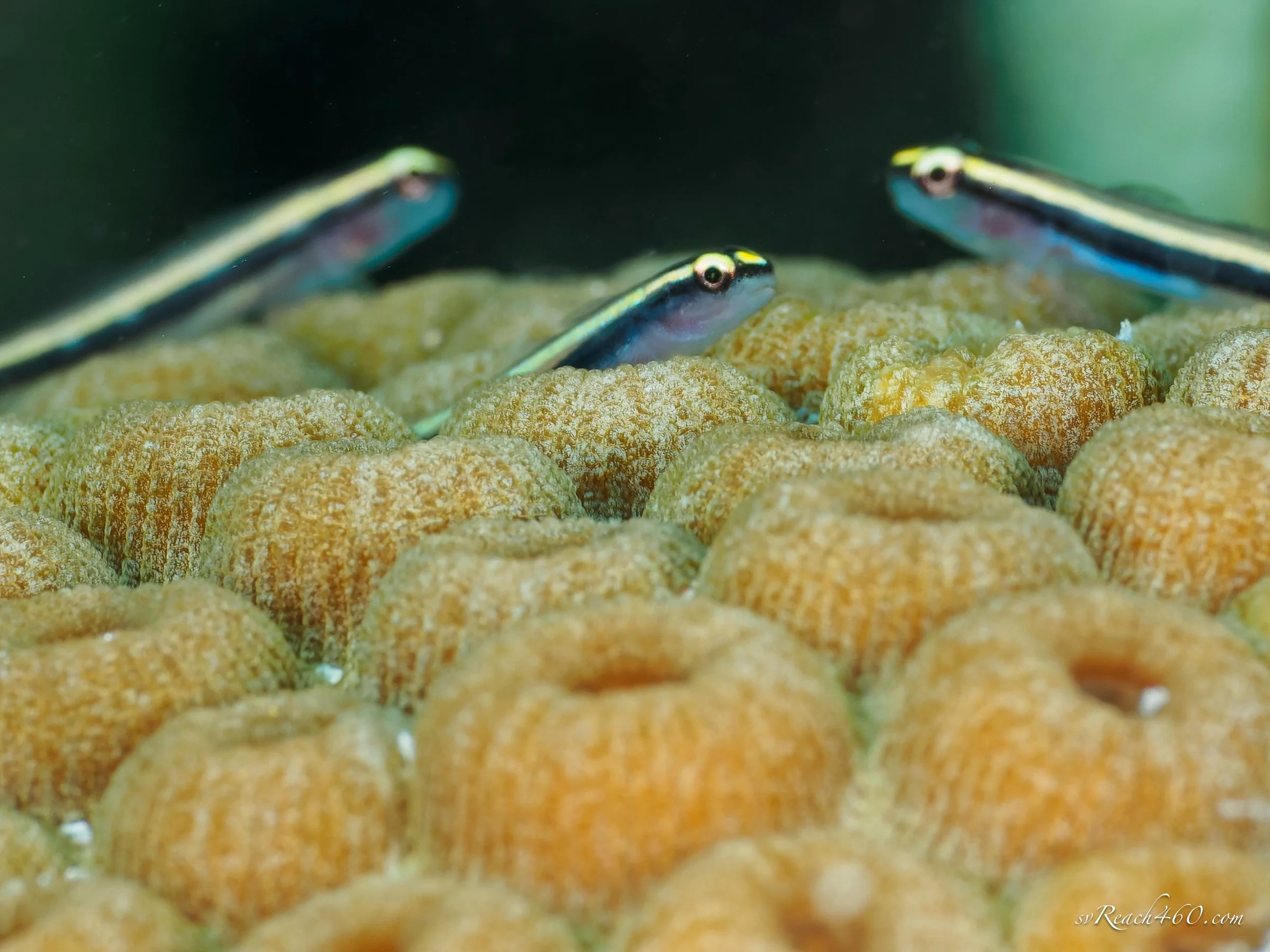
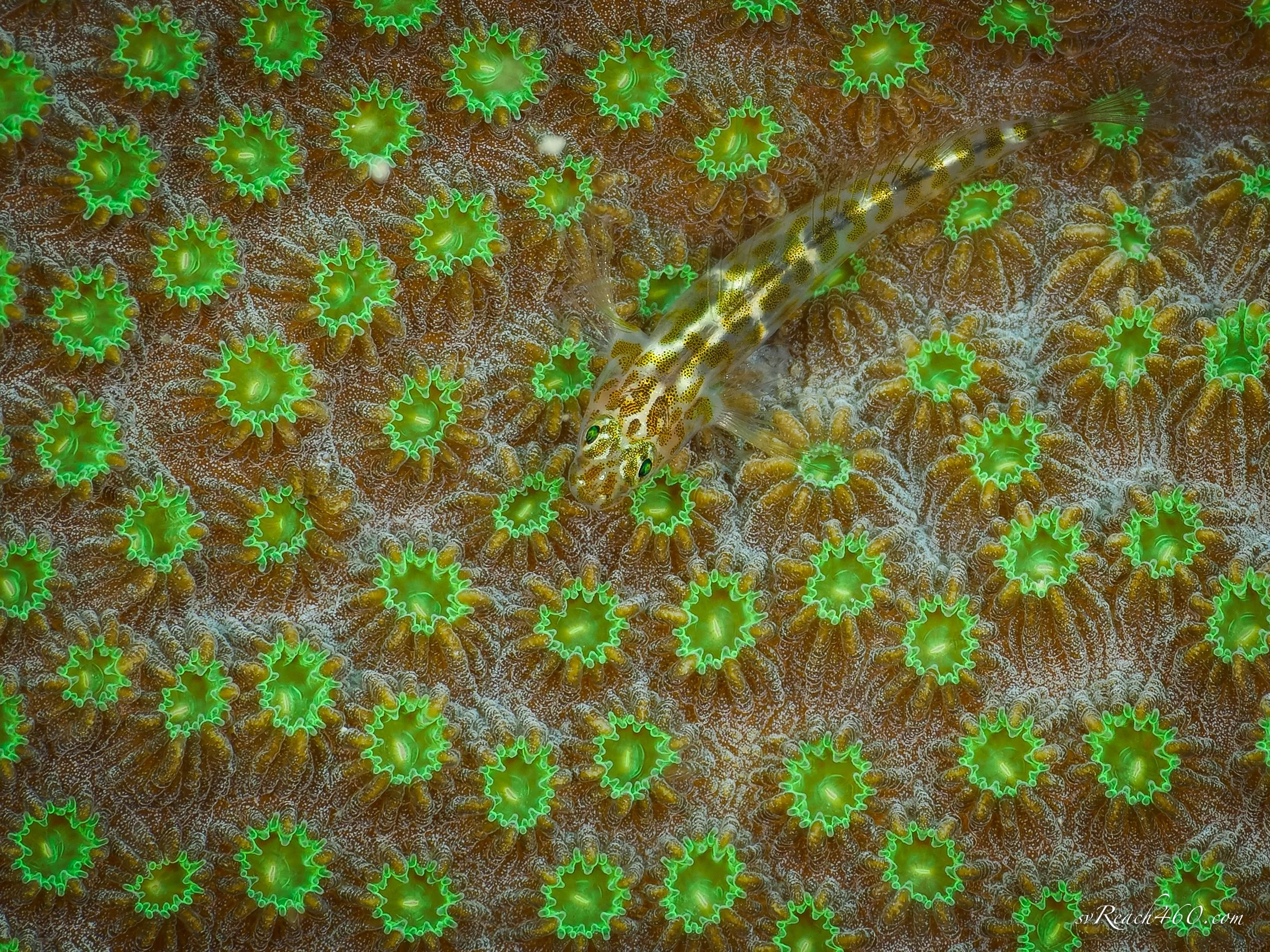
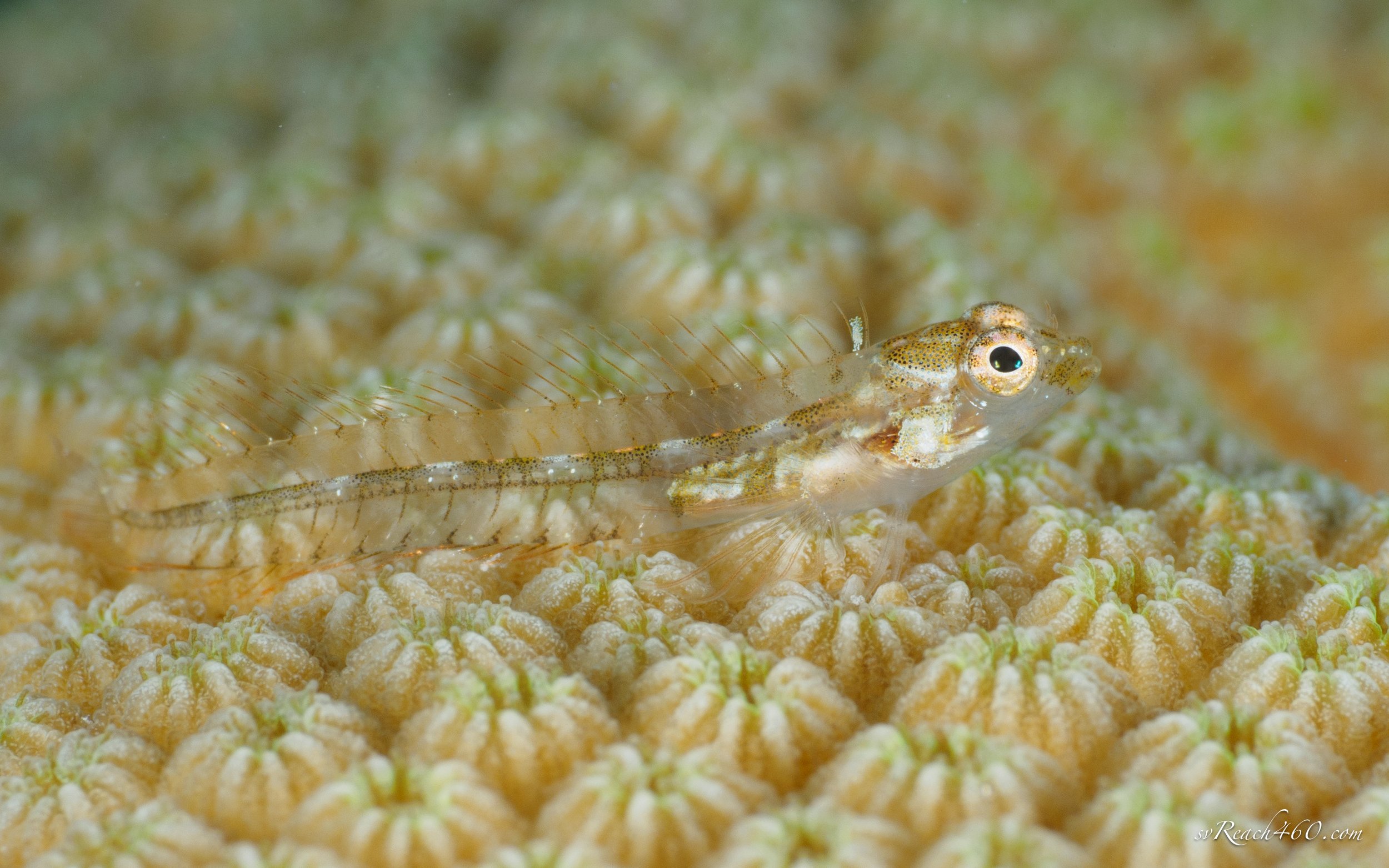
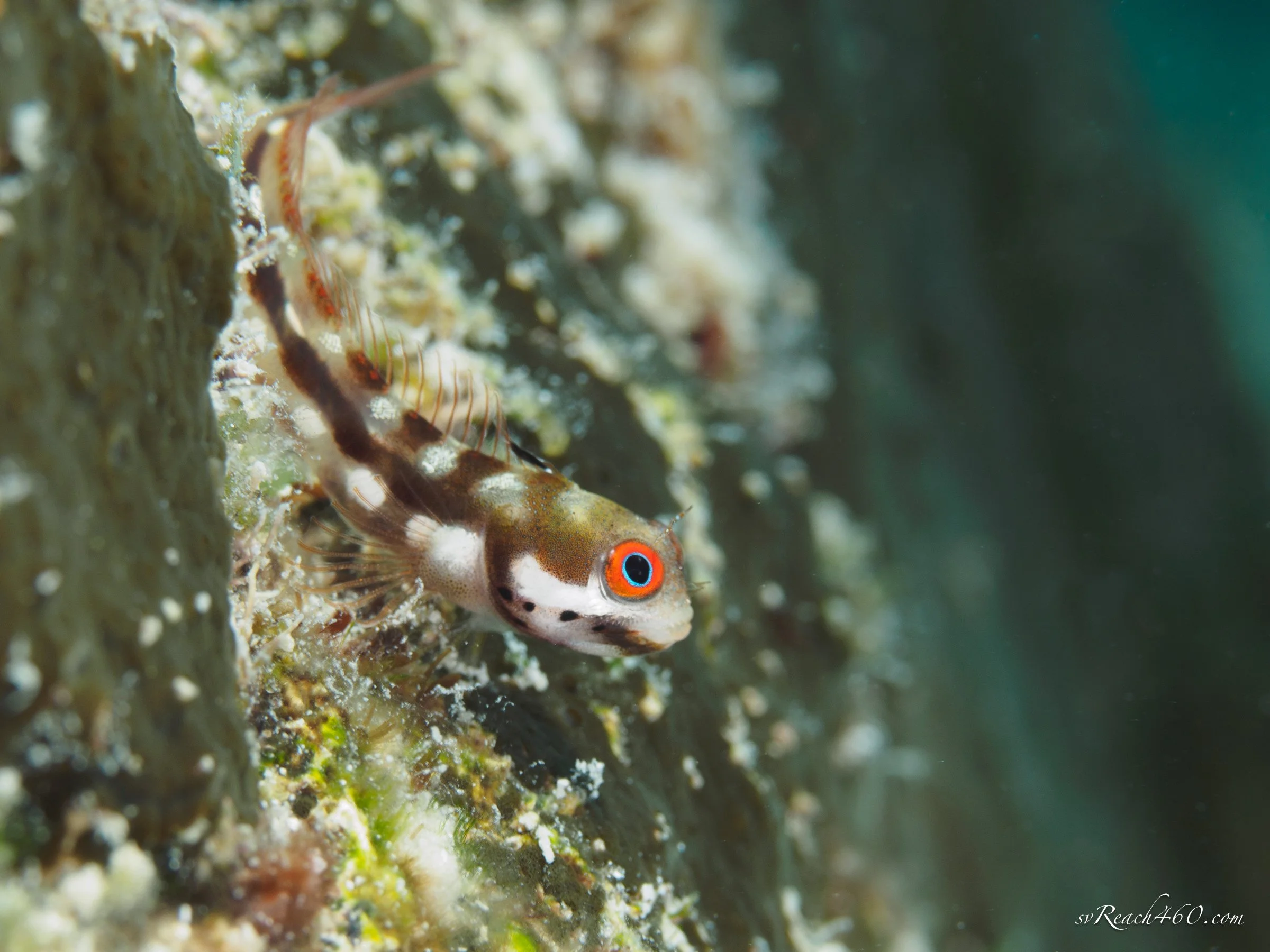

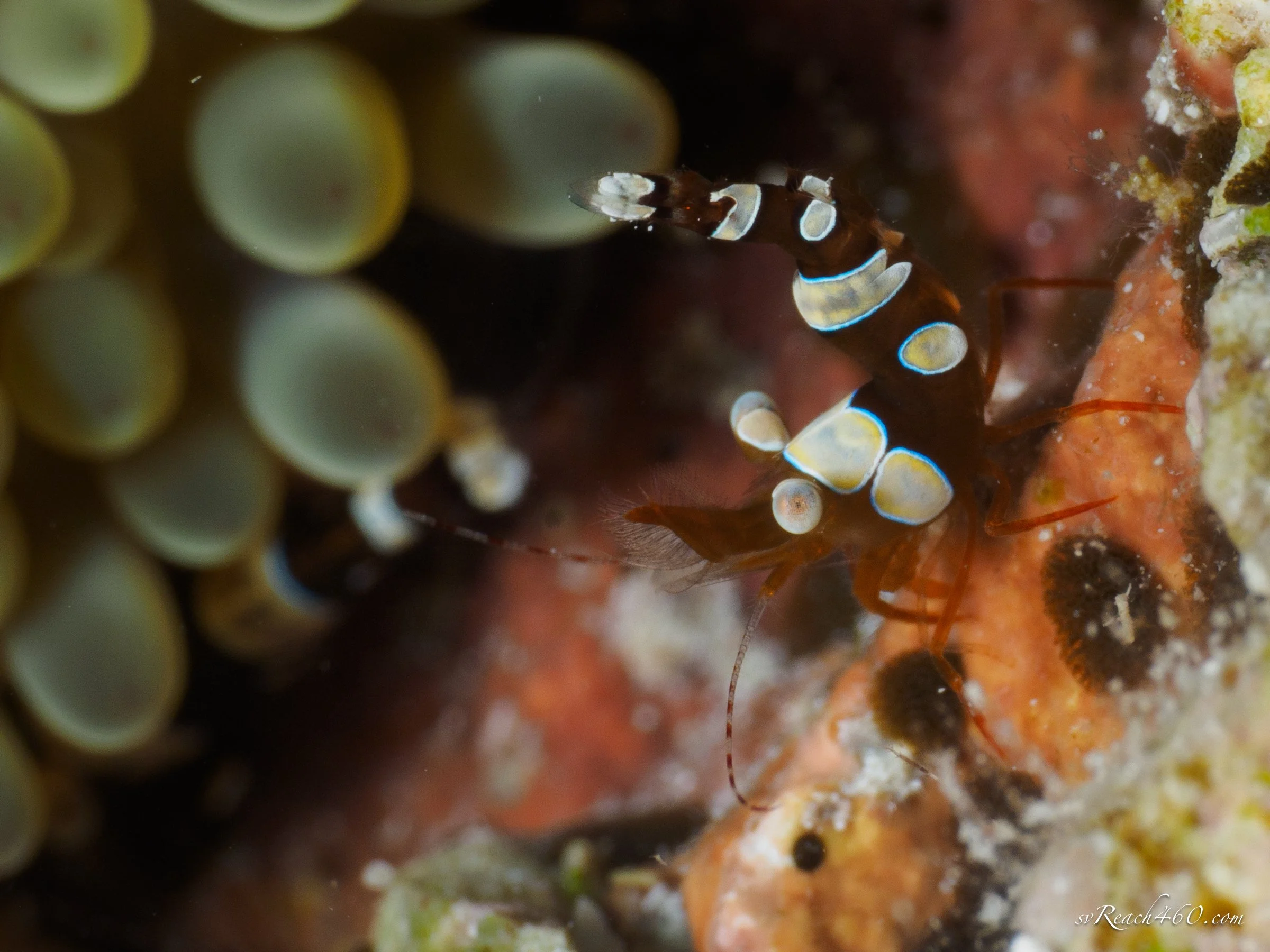
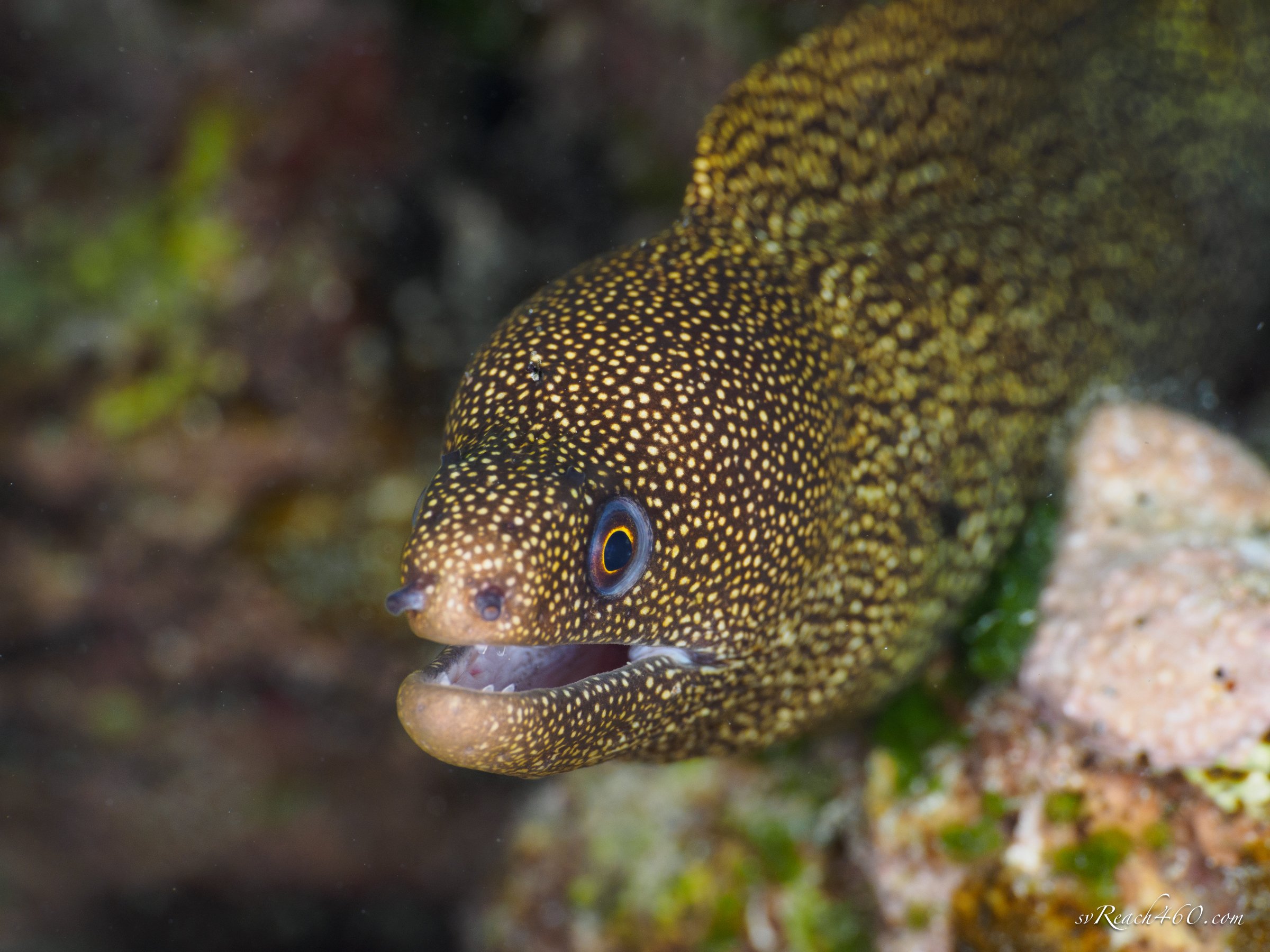
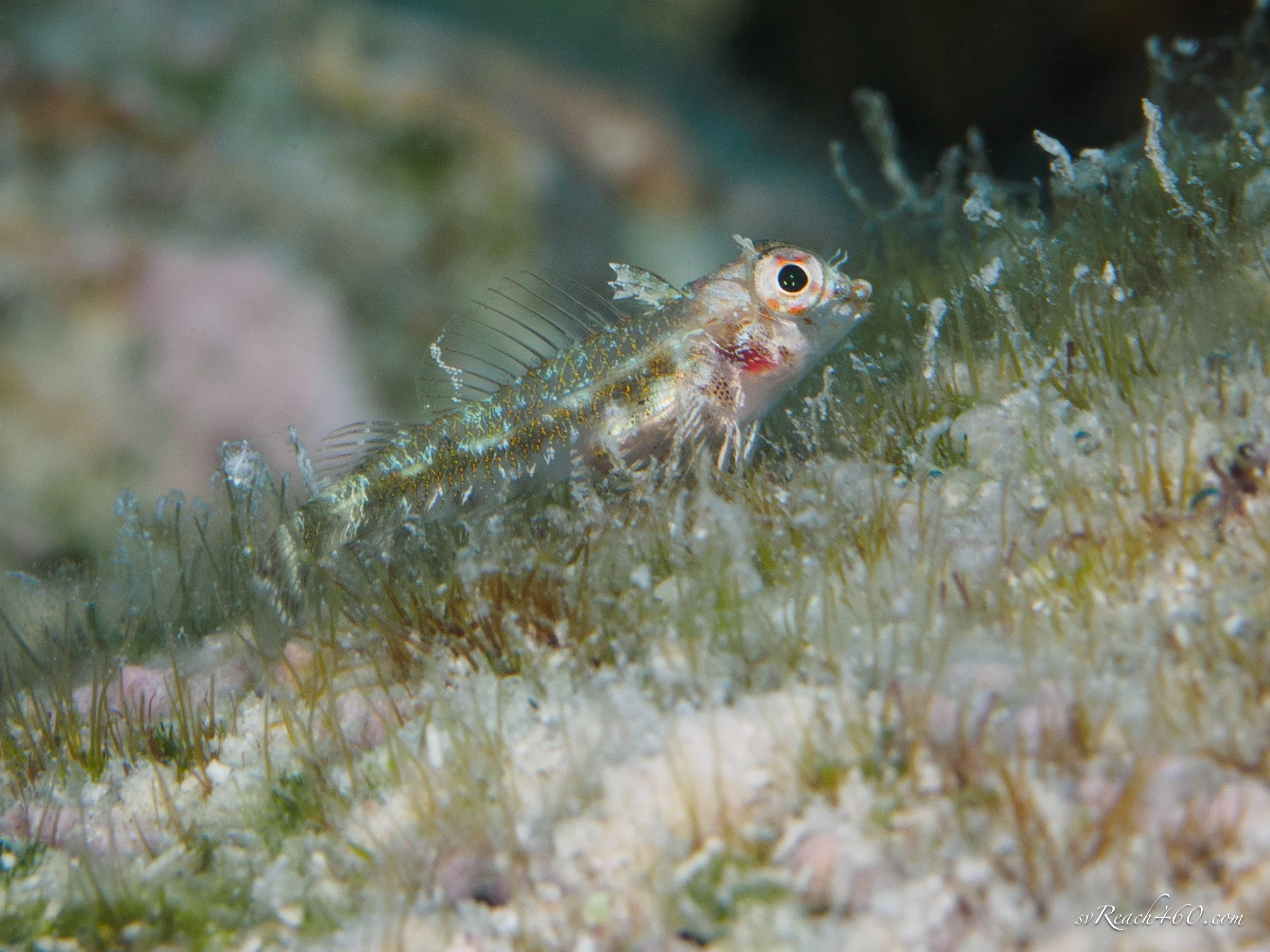
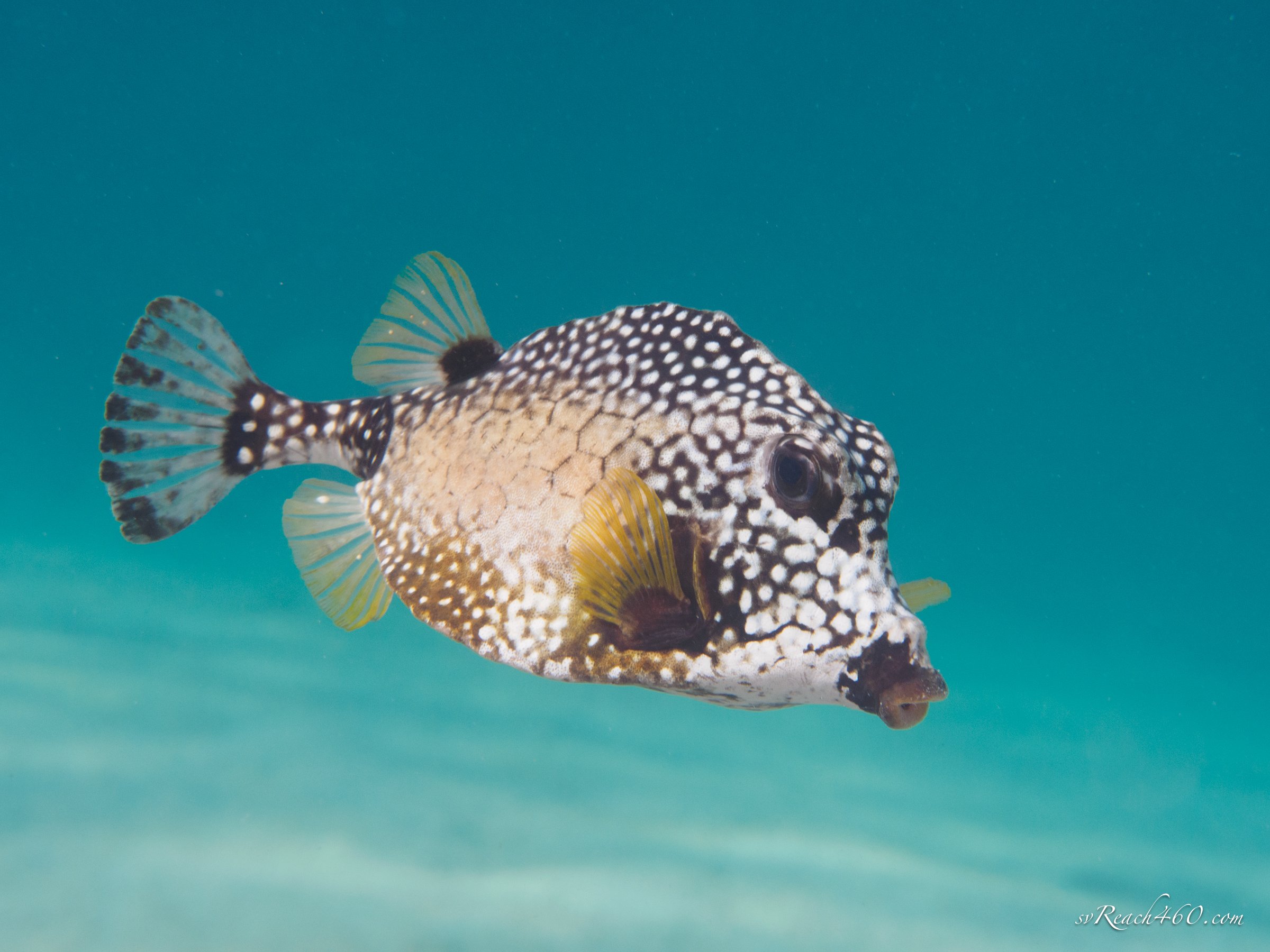
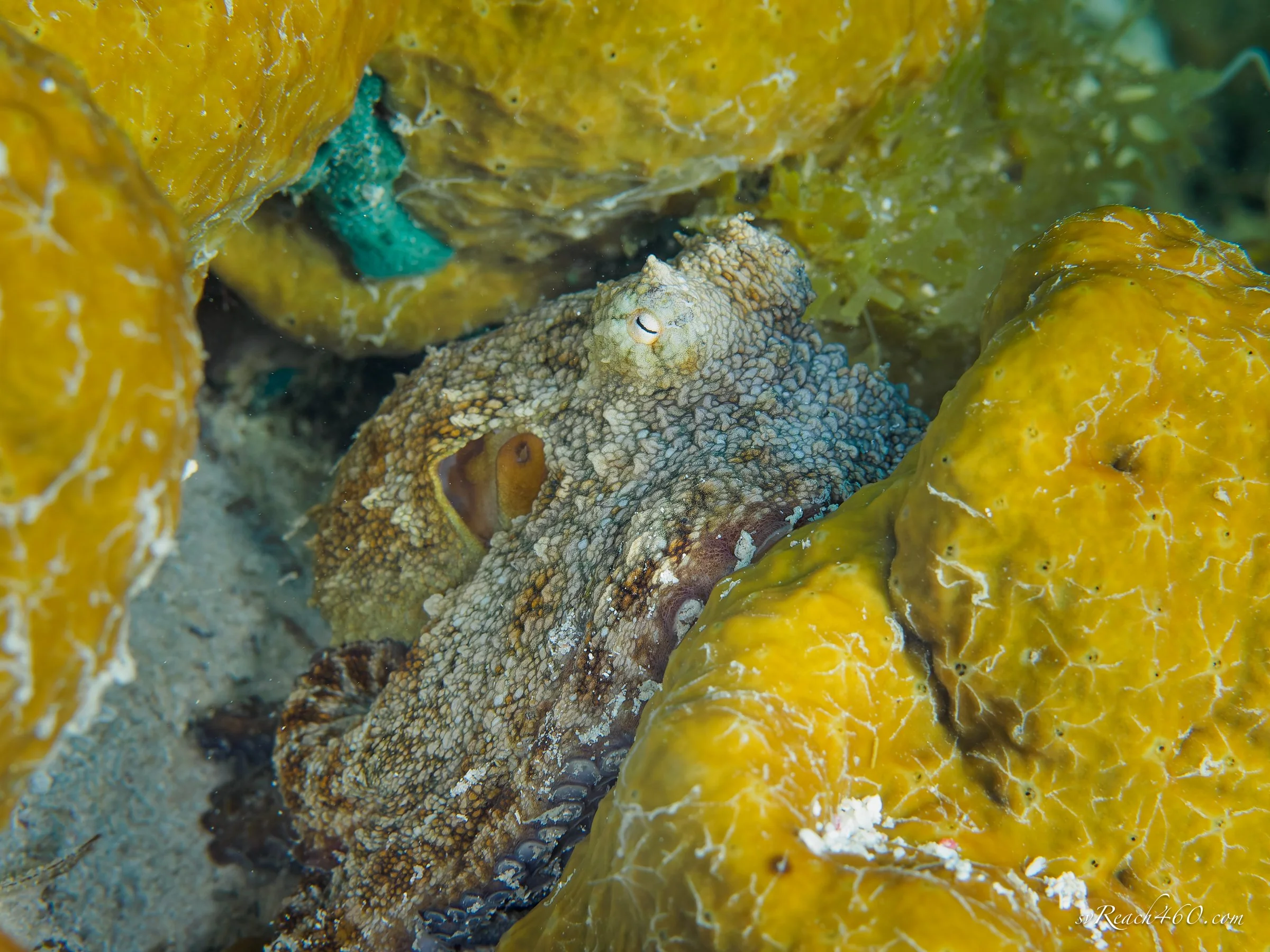
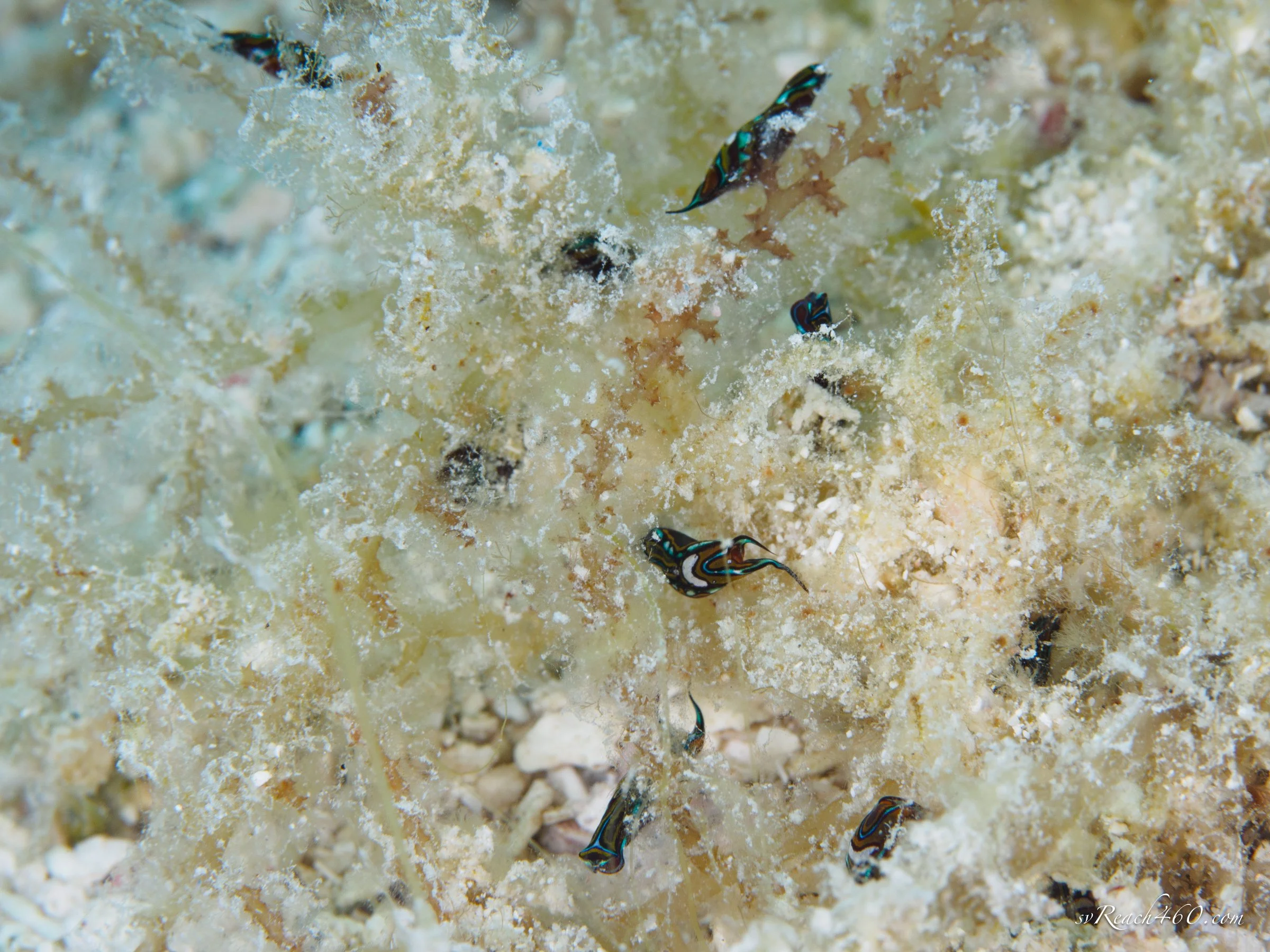


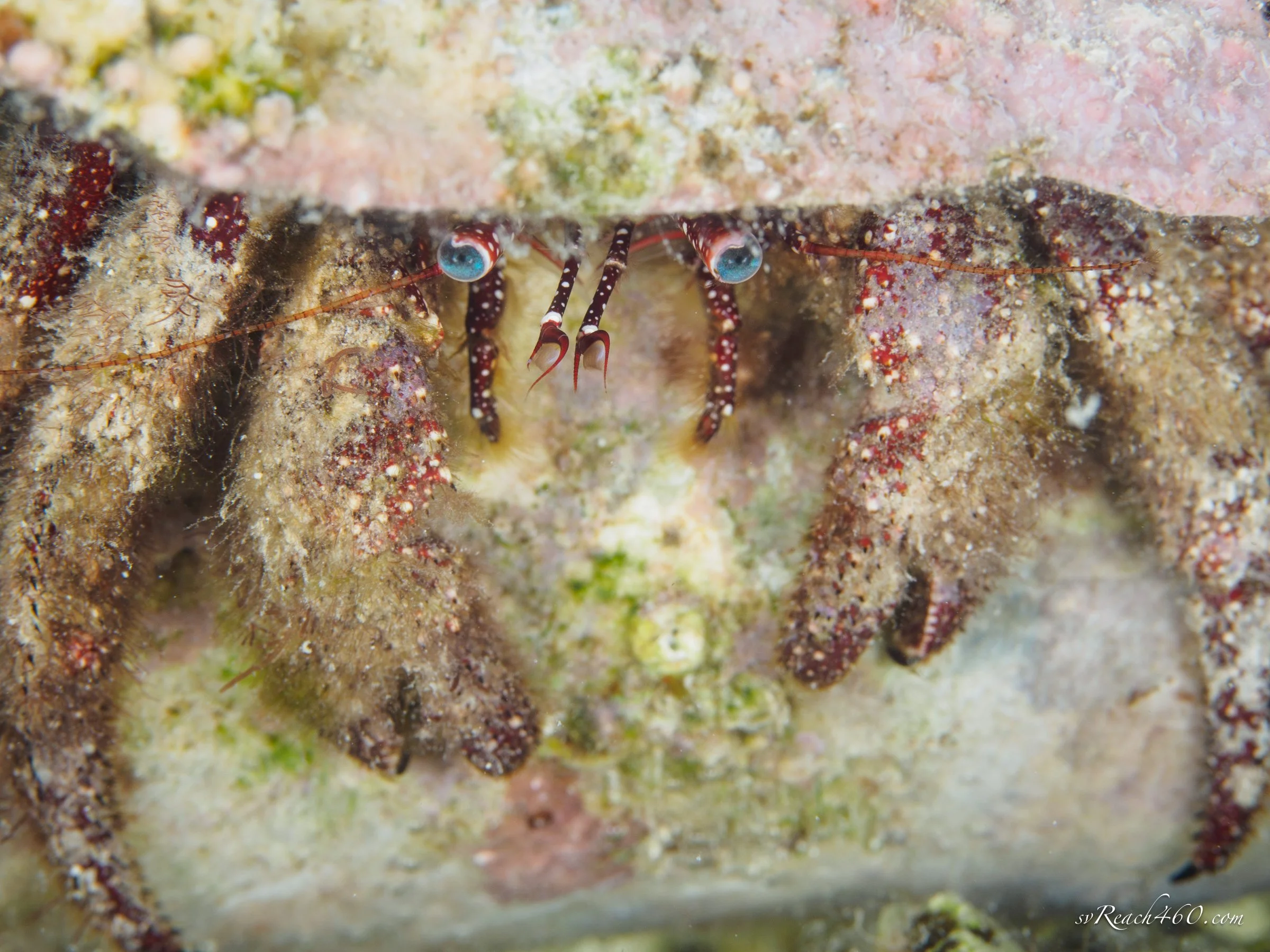
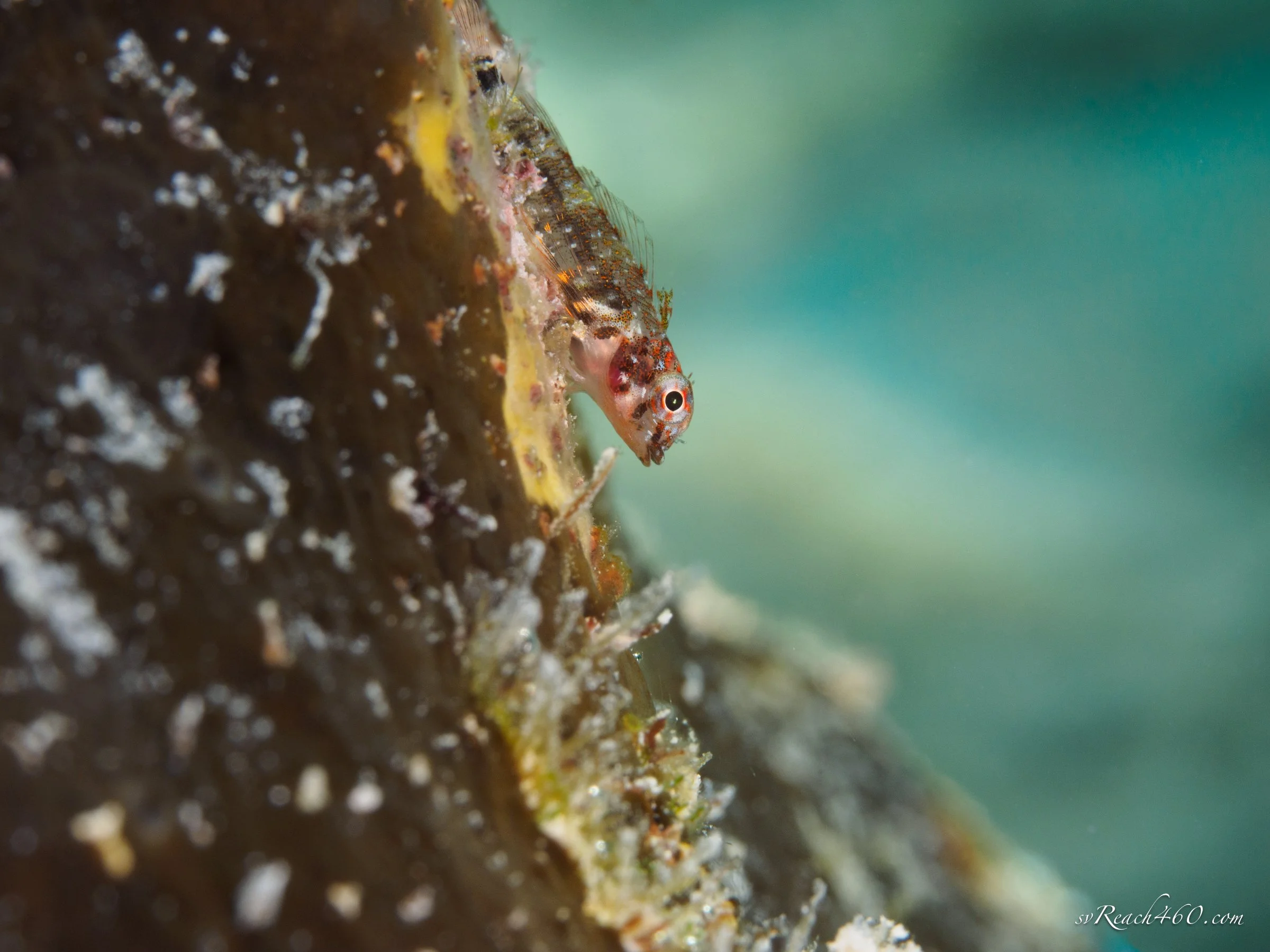
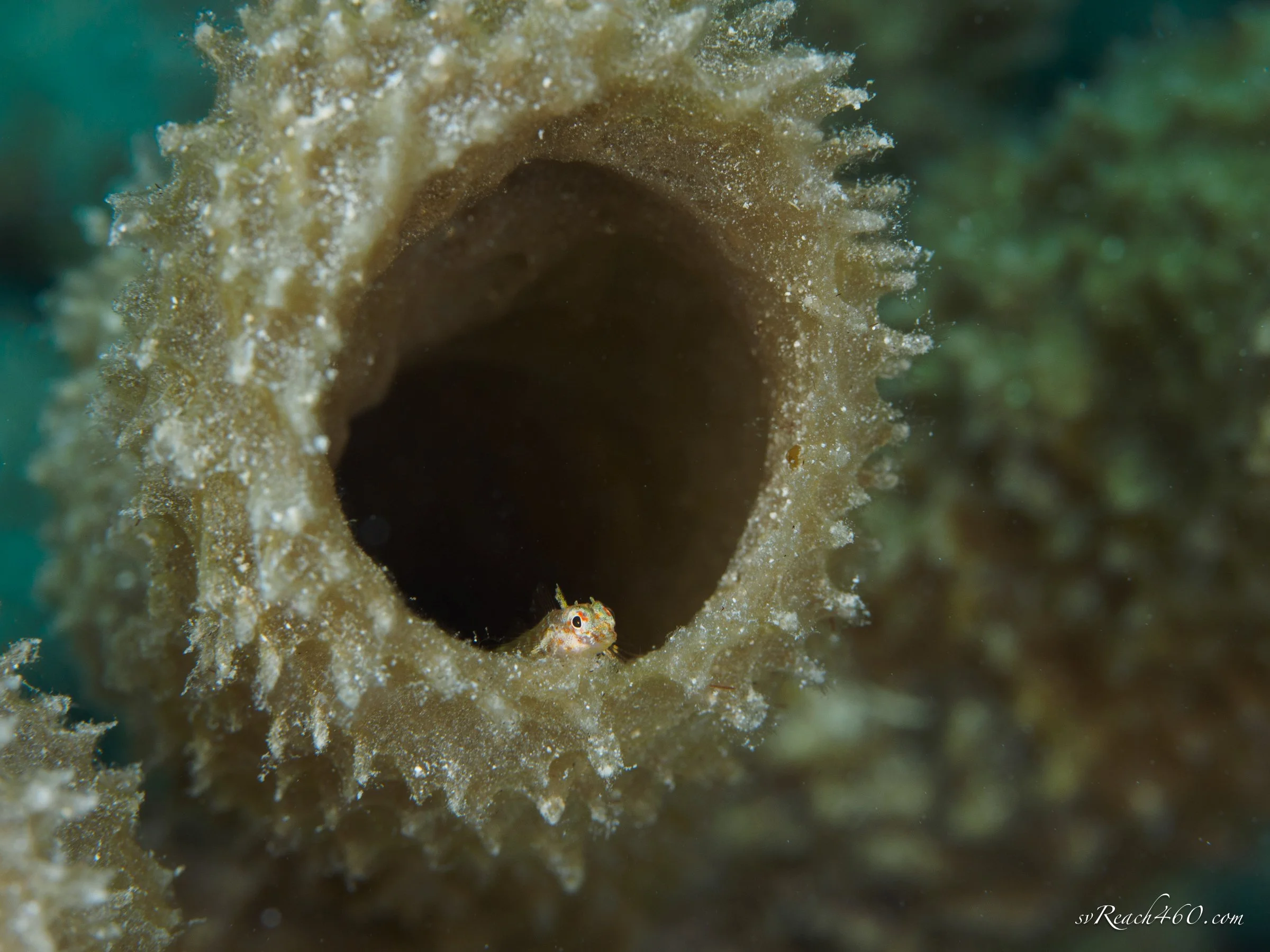
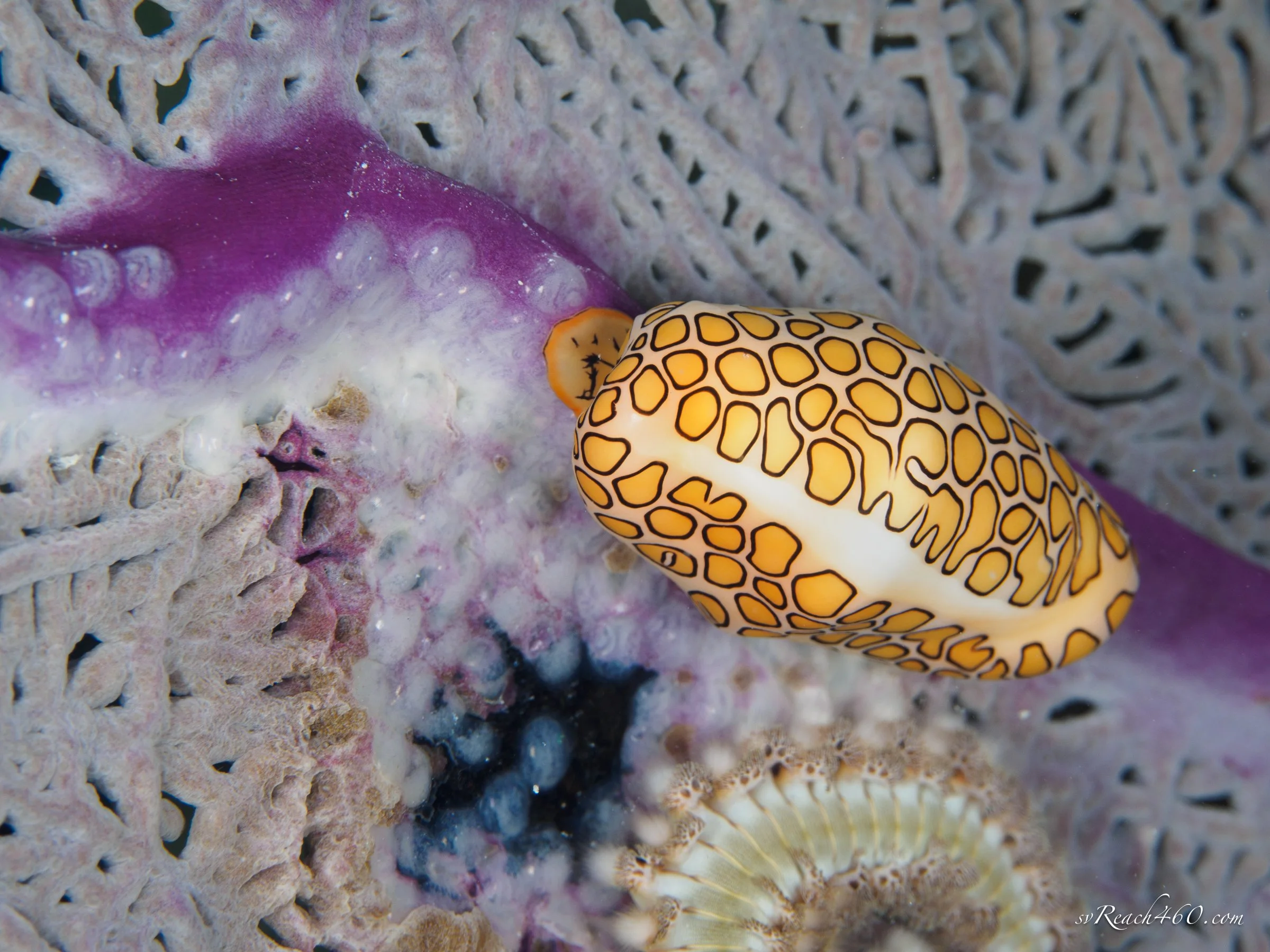
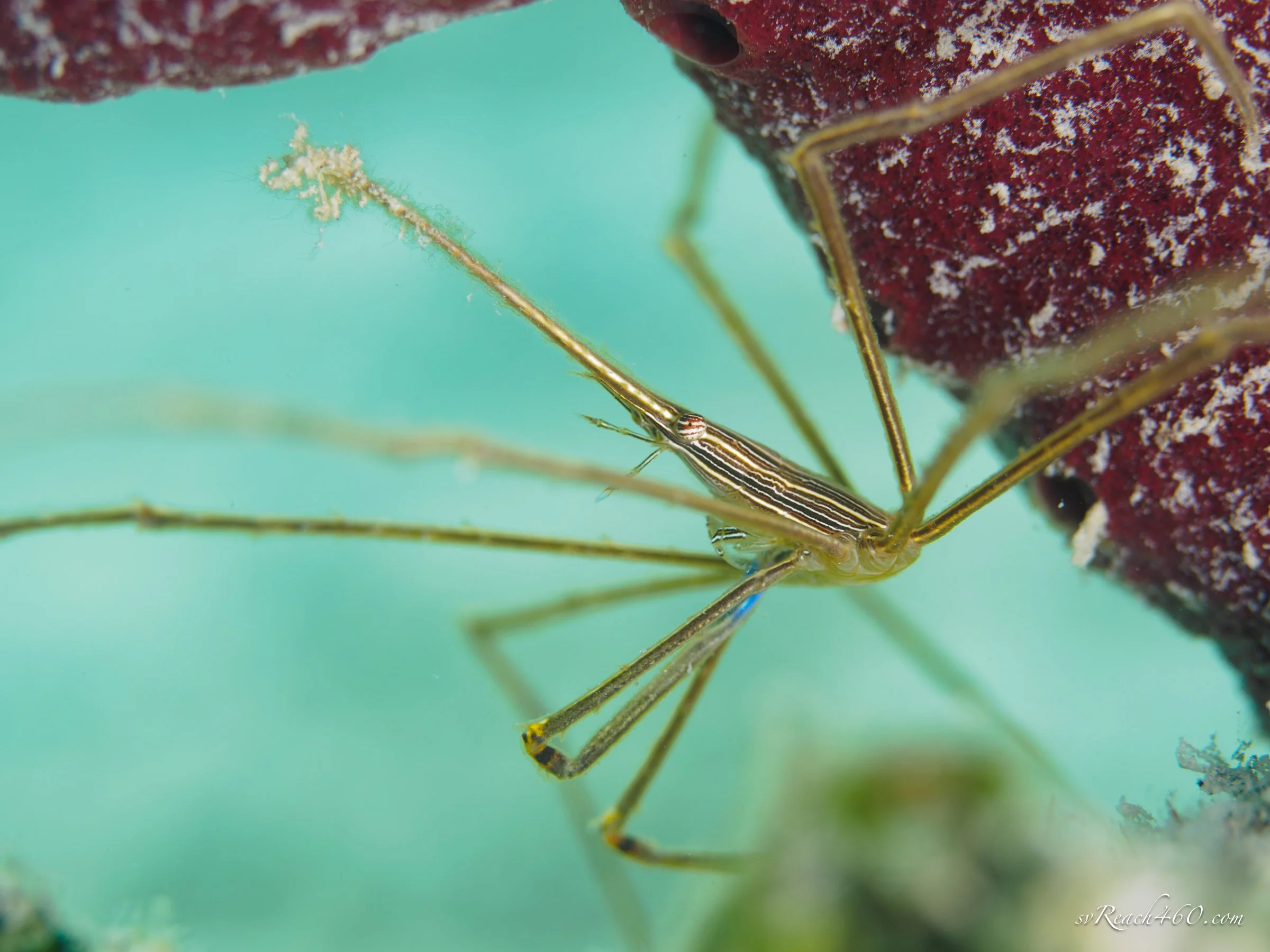
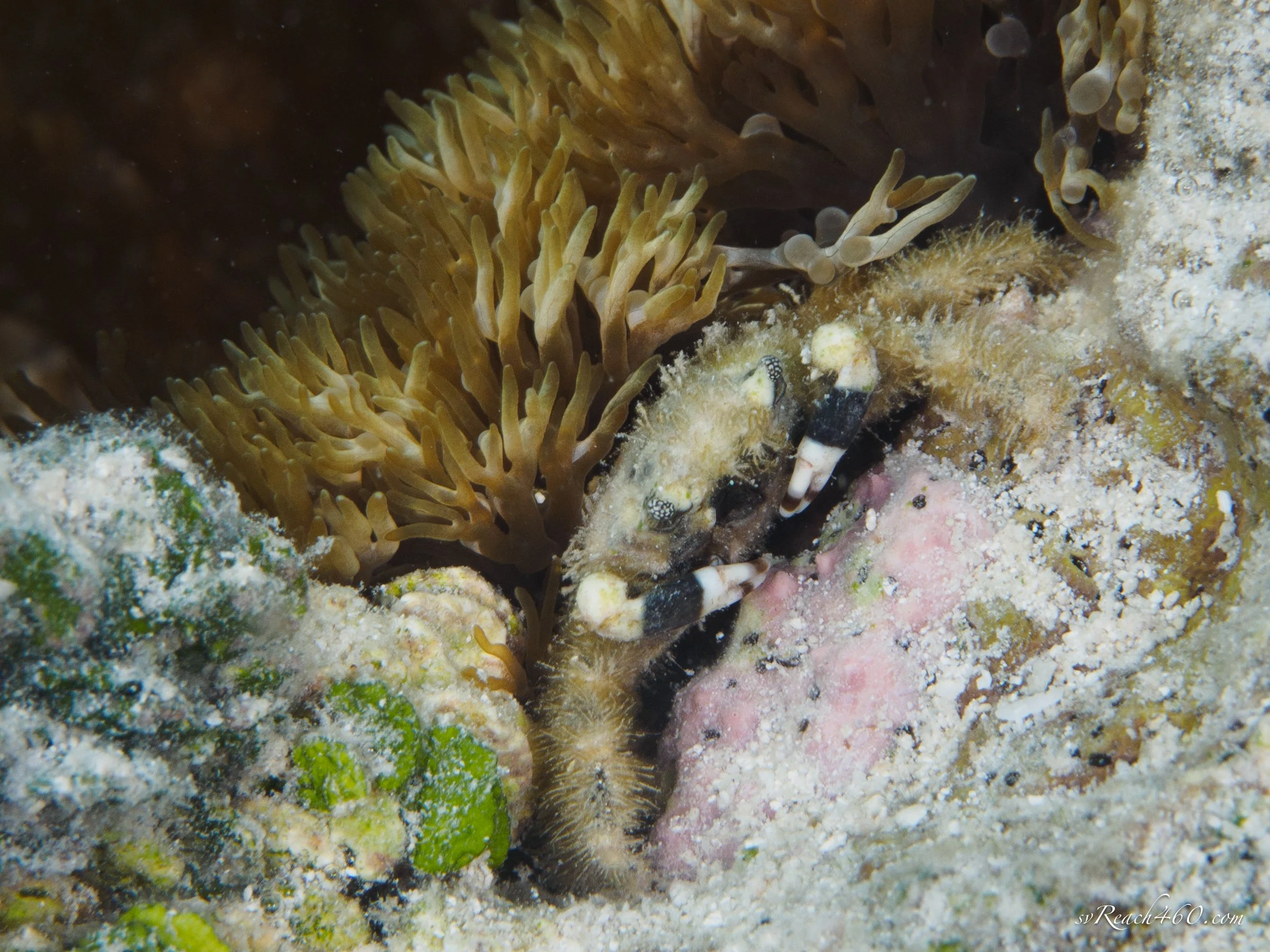
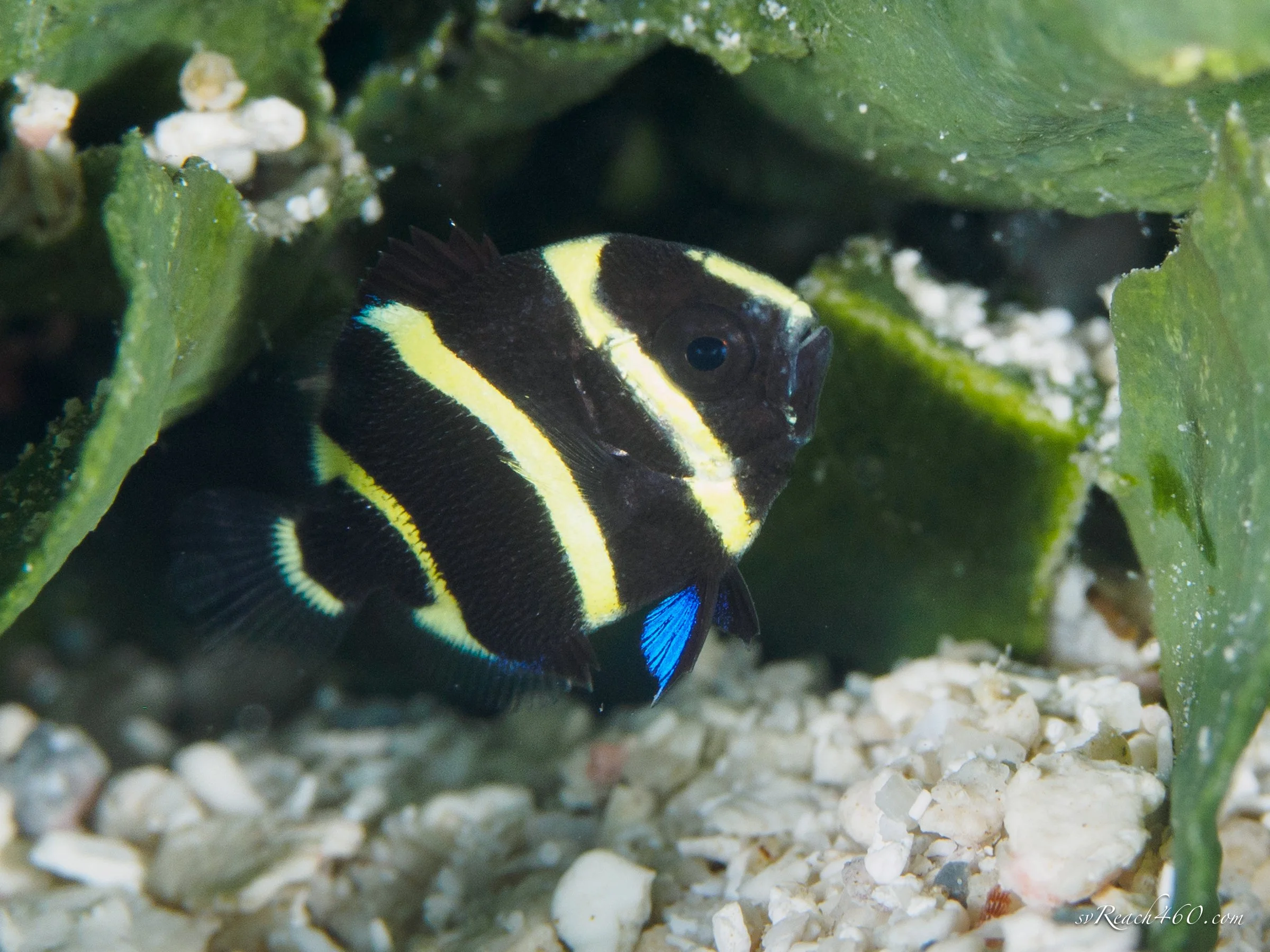
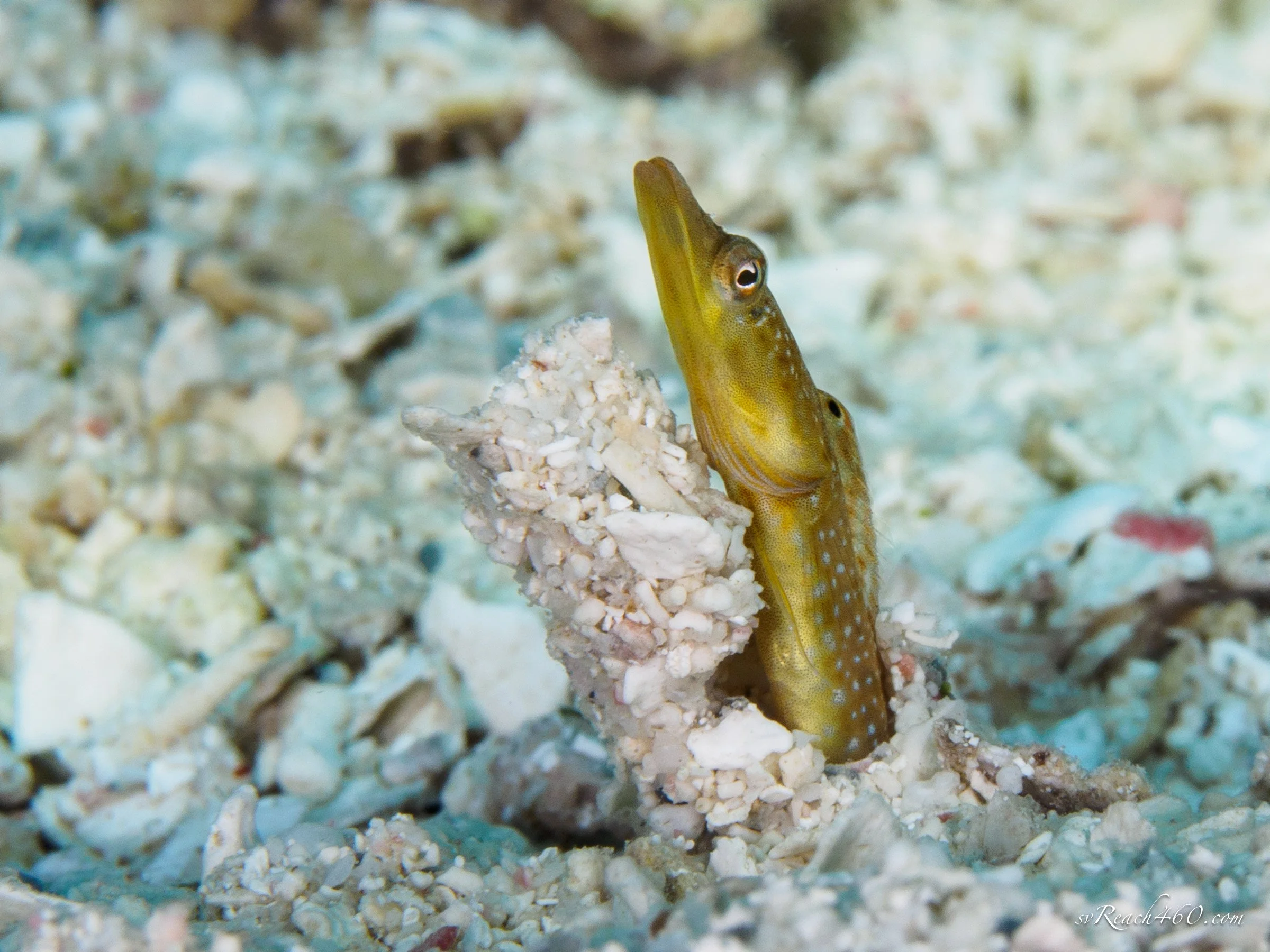
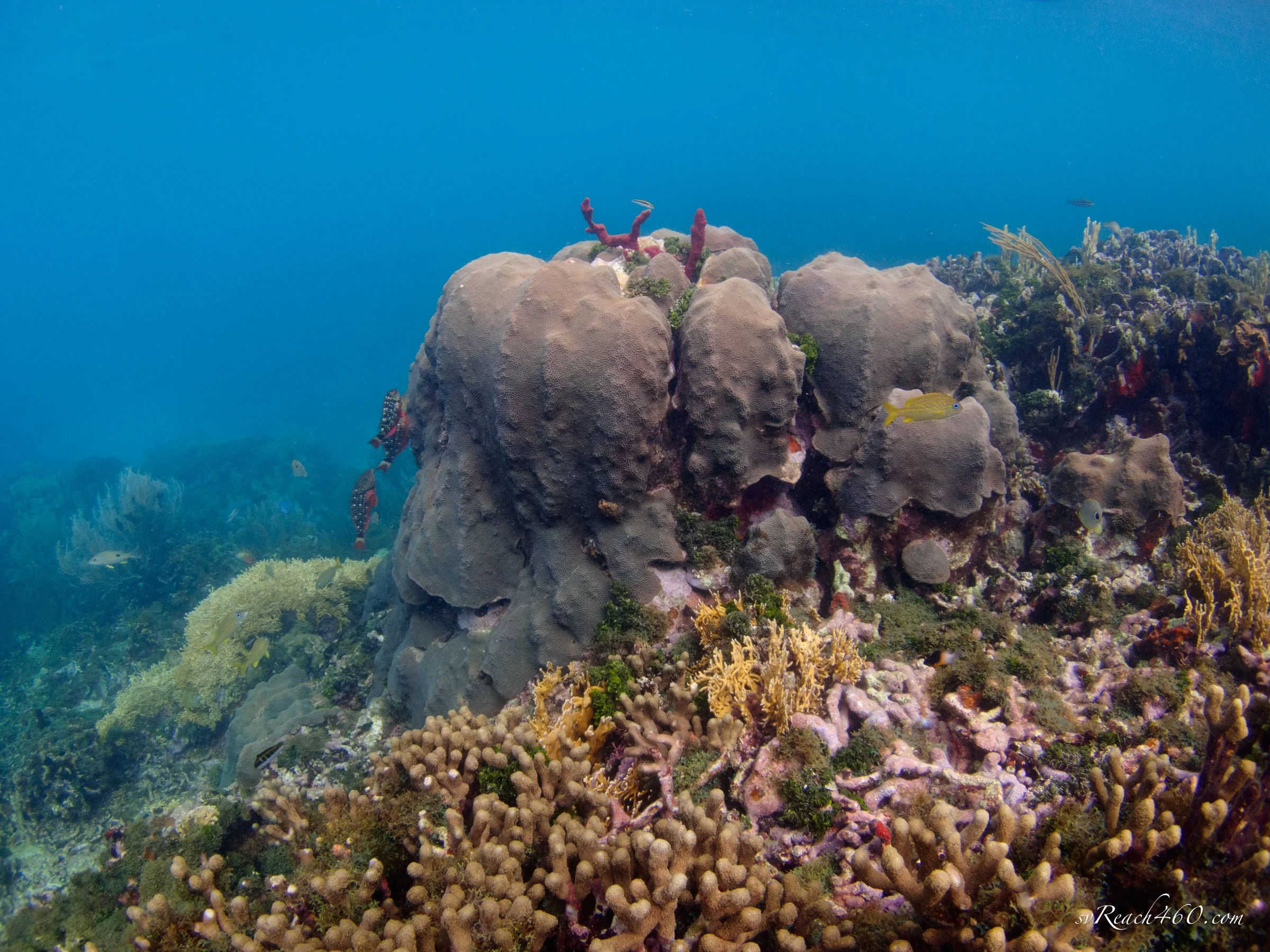
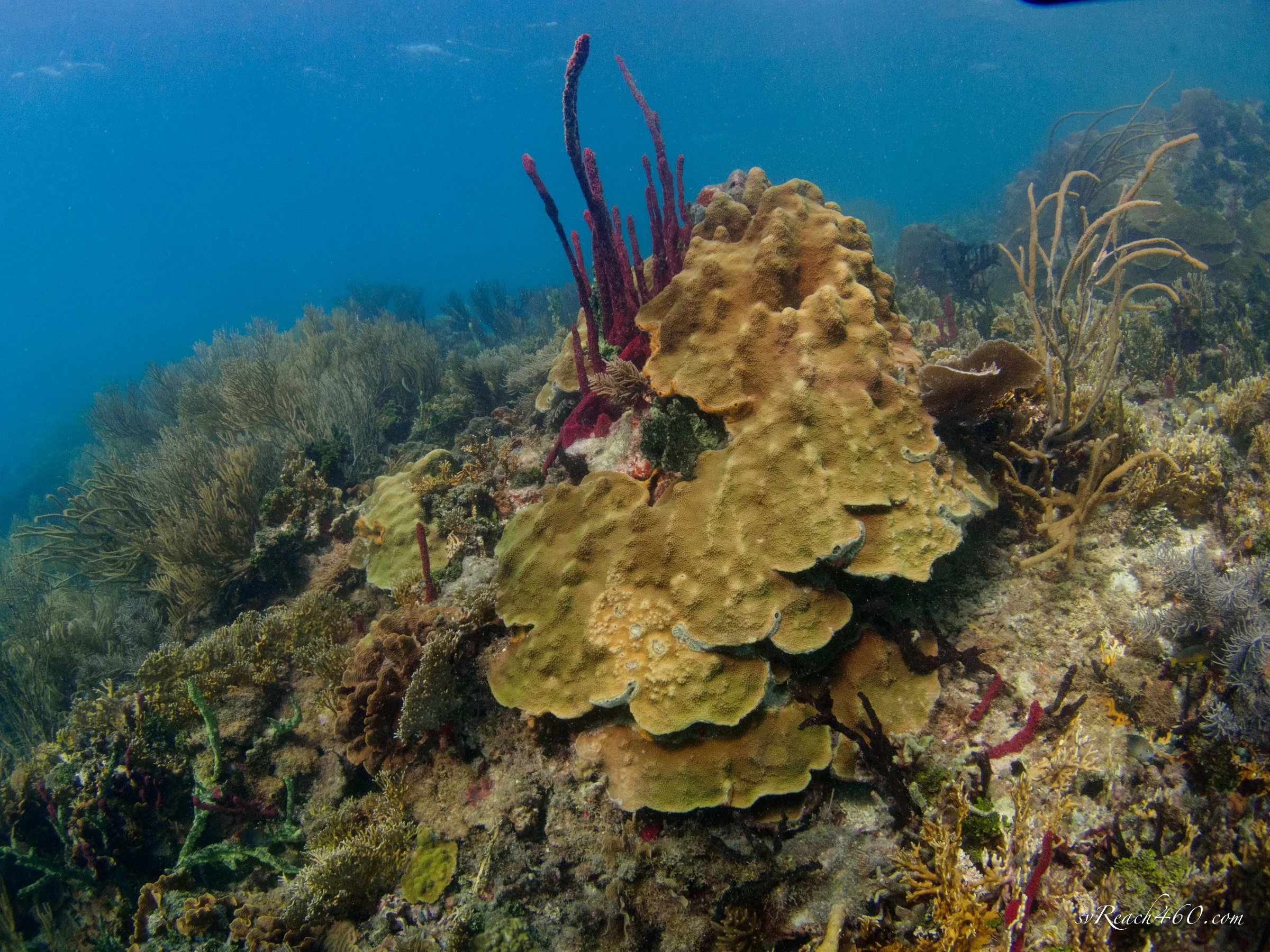
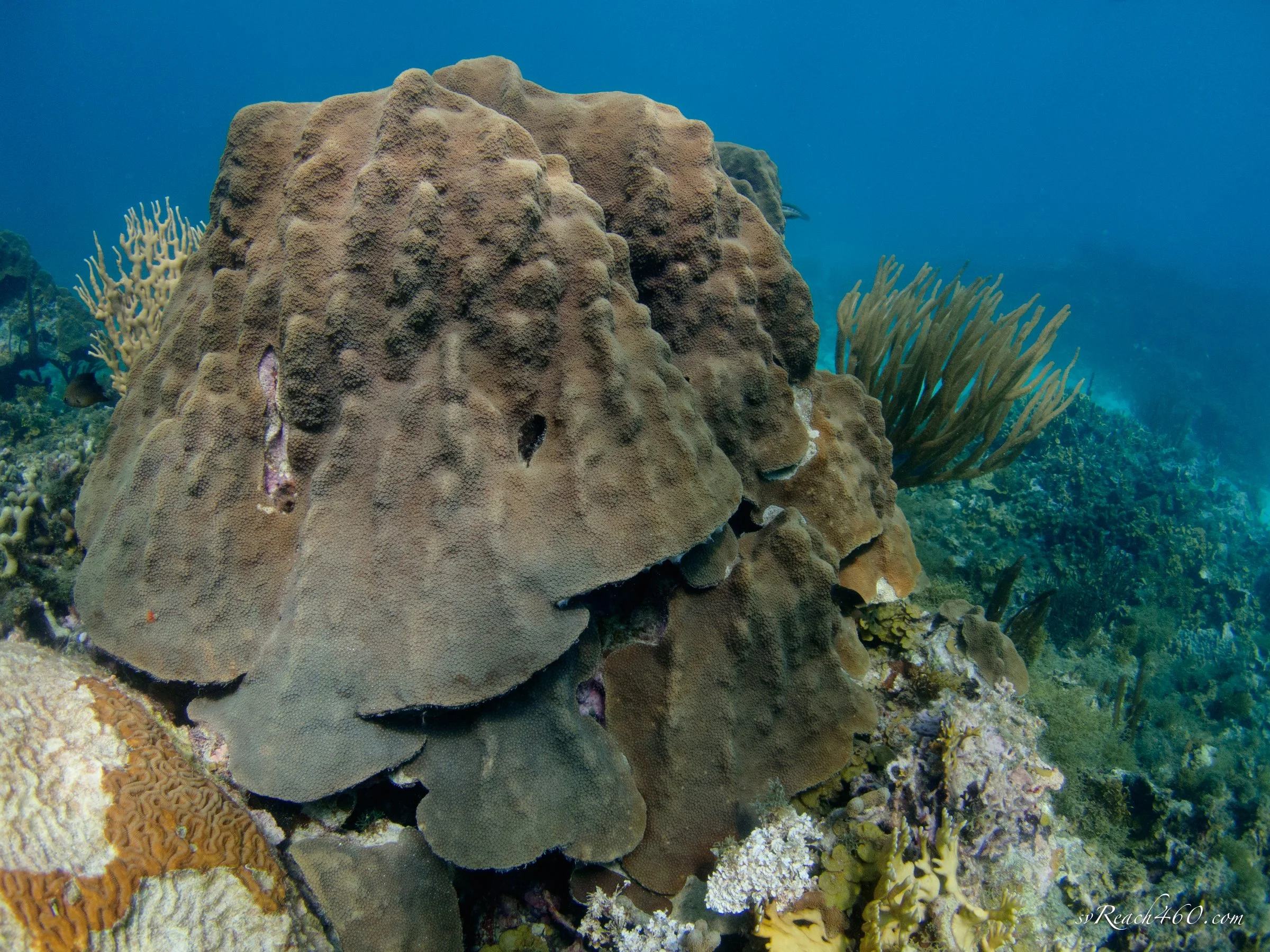
TG4 with wide angle wet lens
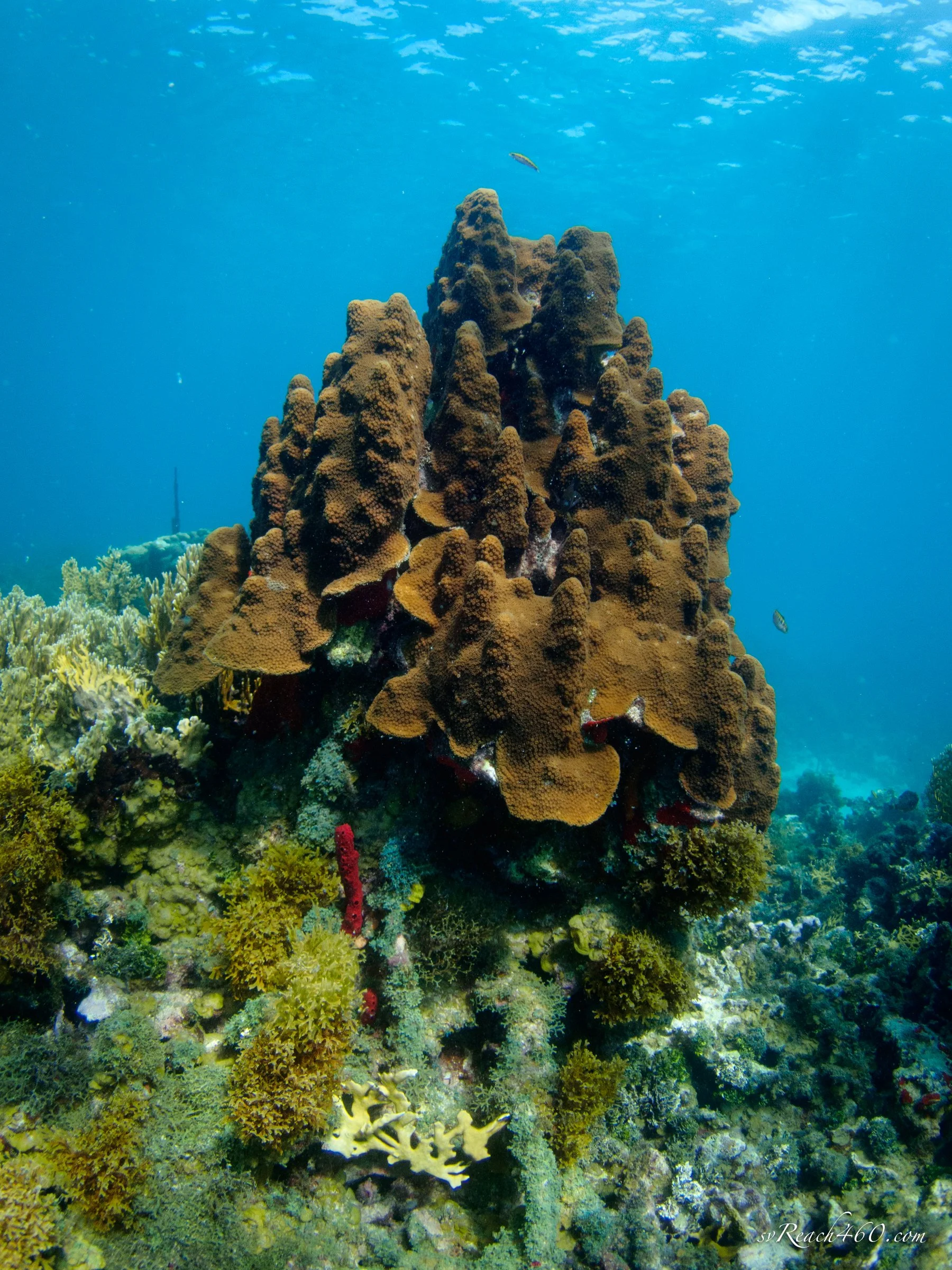
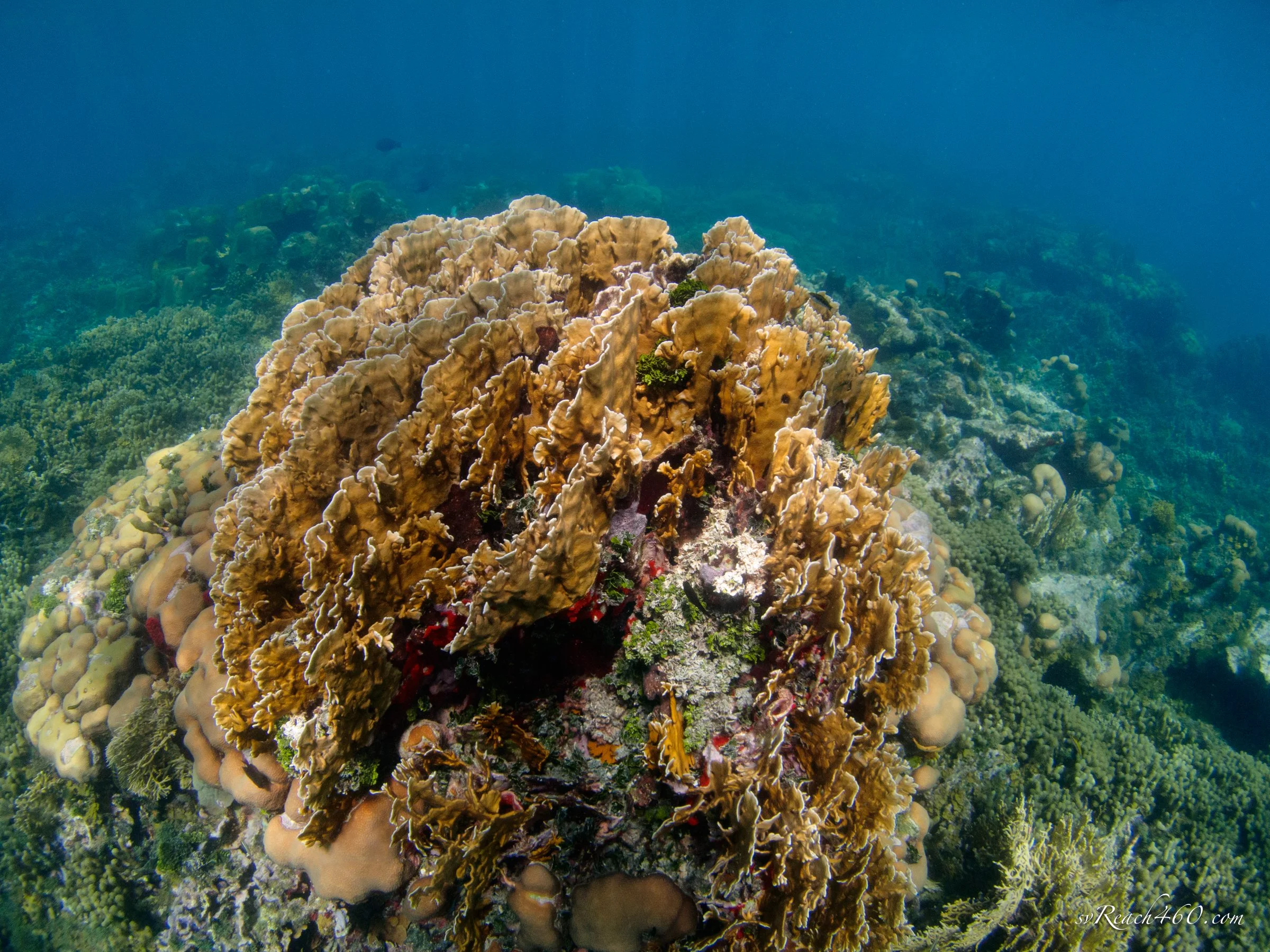
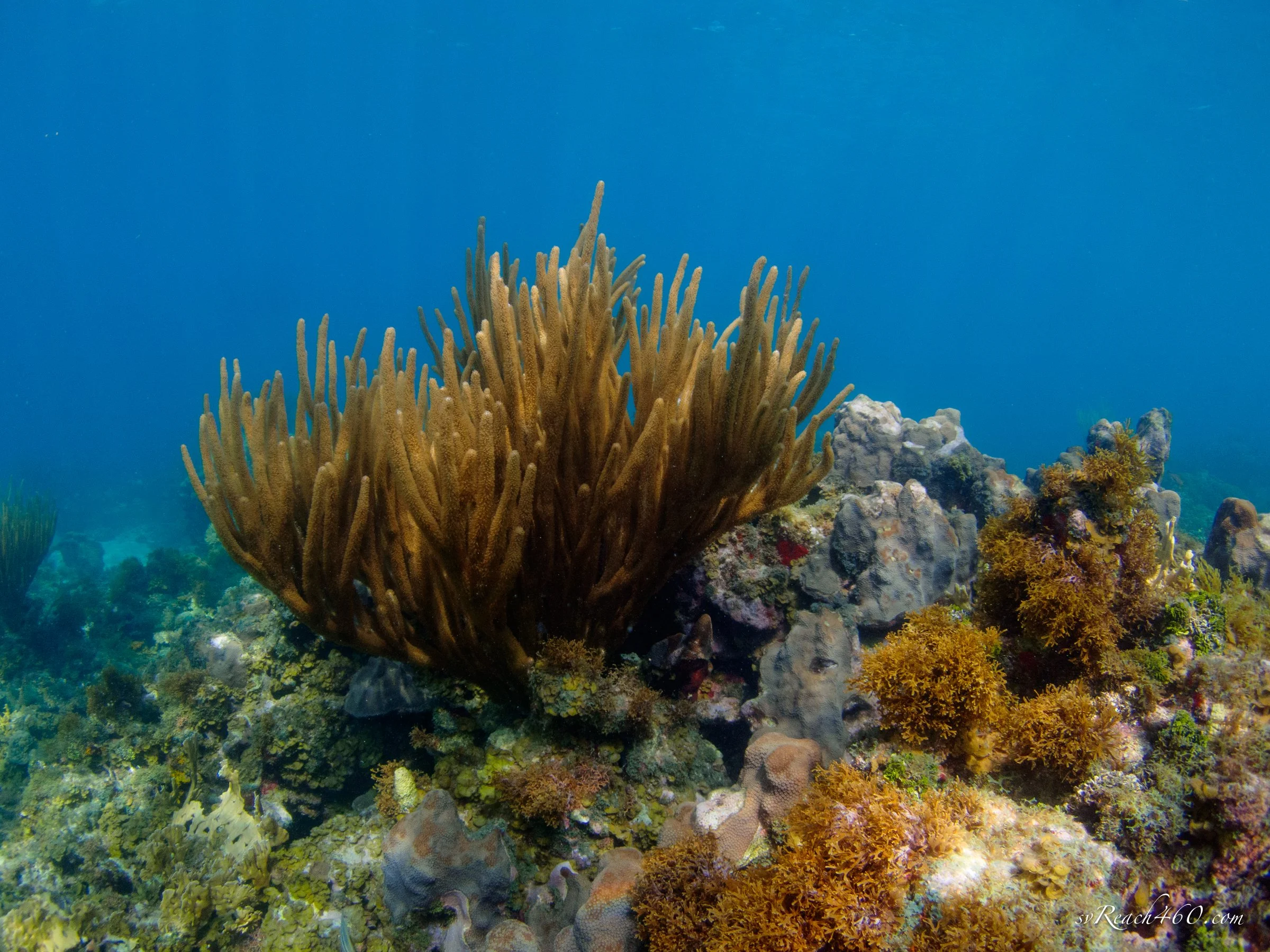
On occasion, I would take my TG4 set-up with a wide angle wet lens for some scenery shots. The corals in many places were in very nice shape. The problem was (to our eyes), there was little to no fish on them!
Certainly no big fish, as we would find here 10 years ago. Also small fish were notably absent, as you can see in the scenic photos. There is likely an overfishing problem here from hard stresses of subsistence fishing by the Gunas and visitors.
Wide Angle ~
Guna Revolution
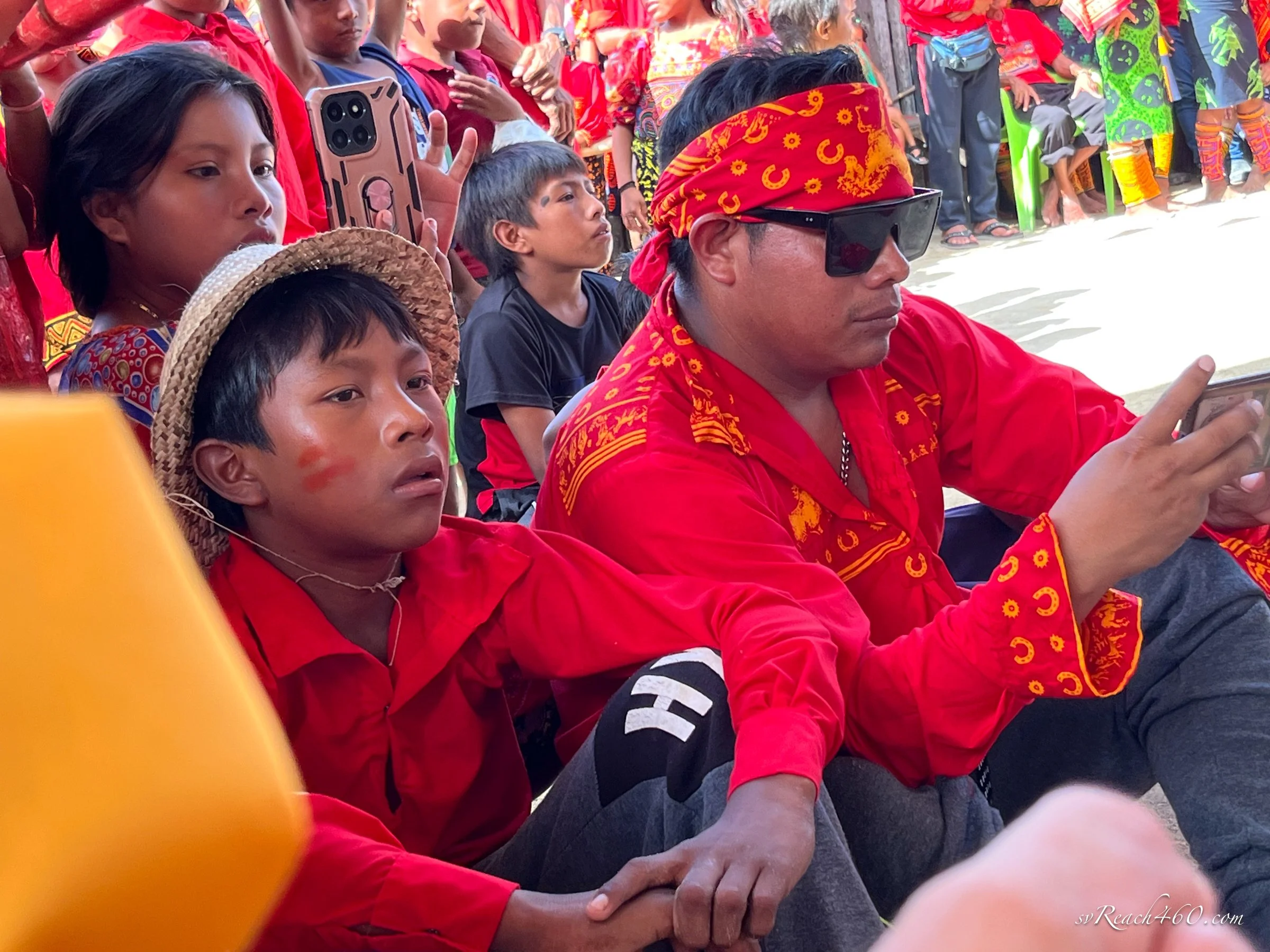
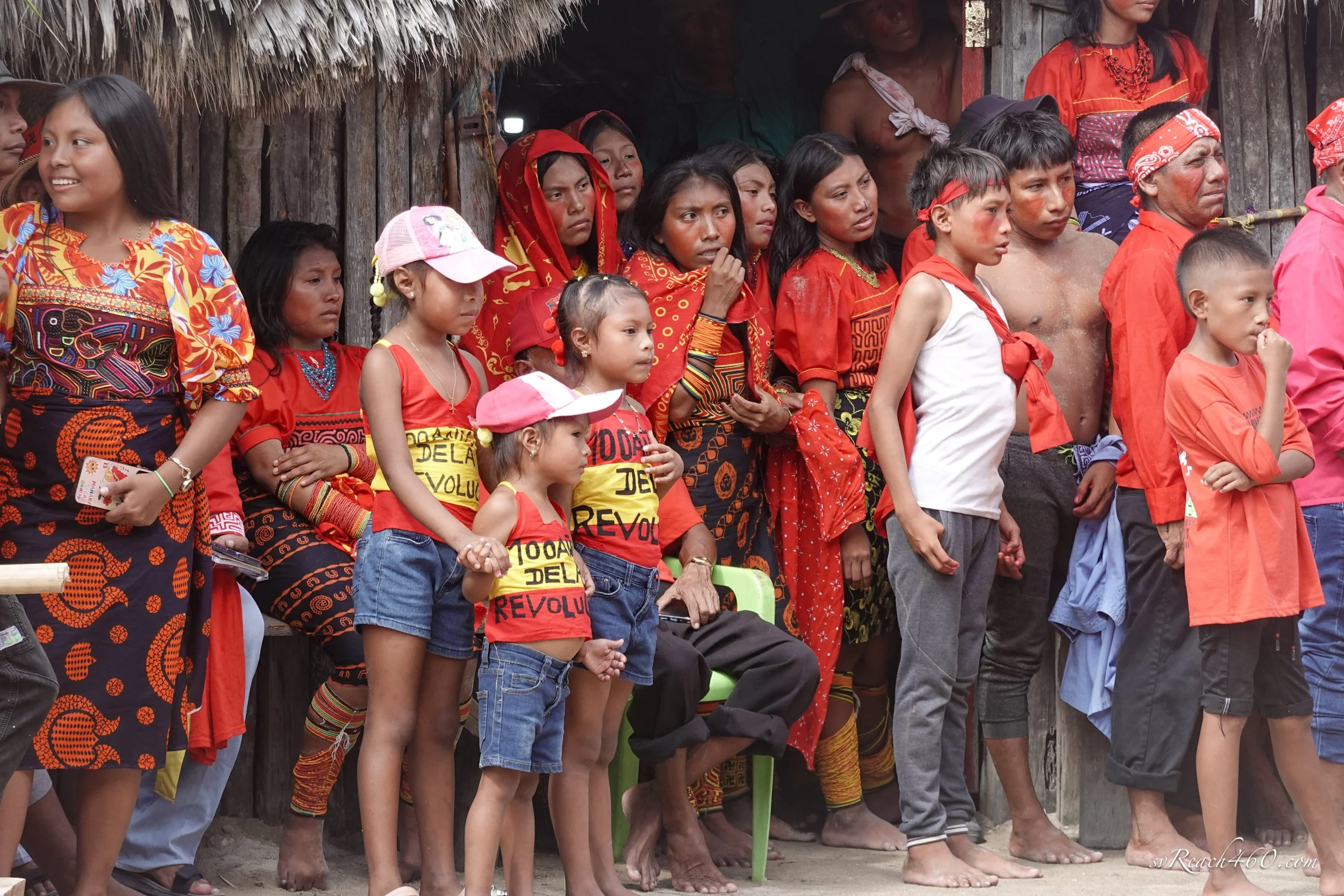
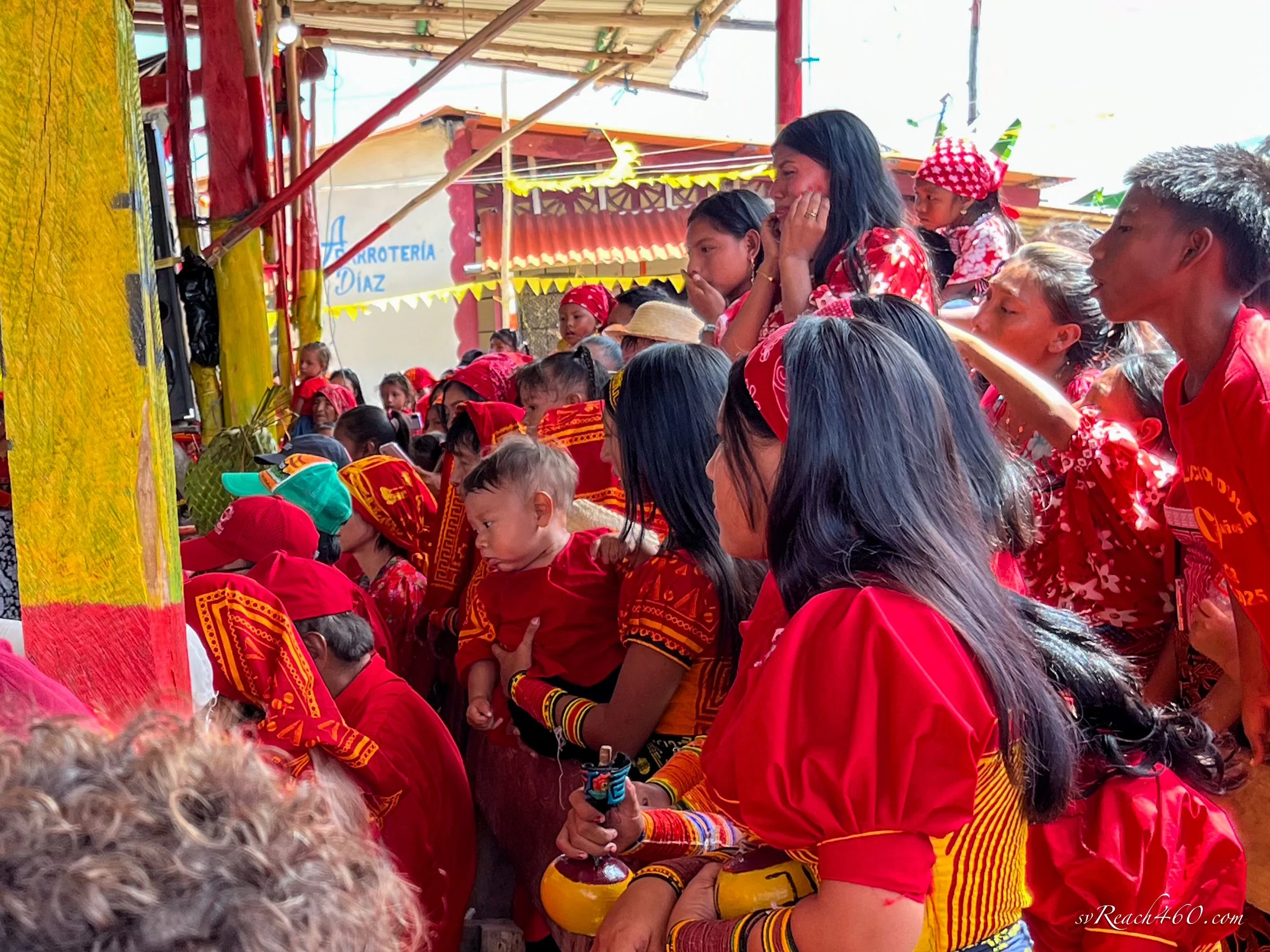
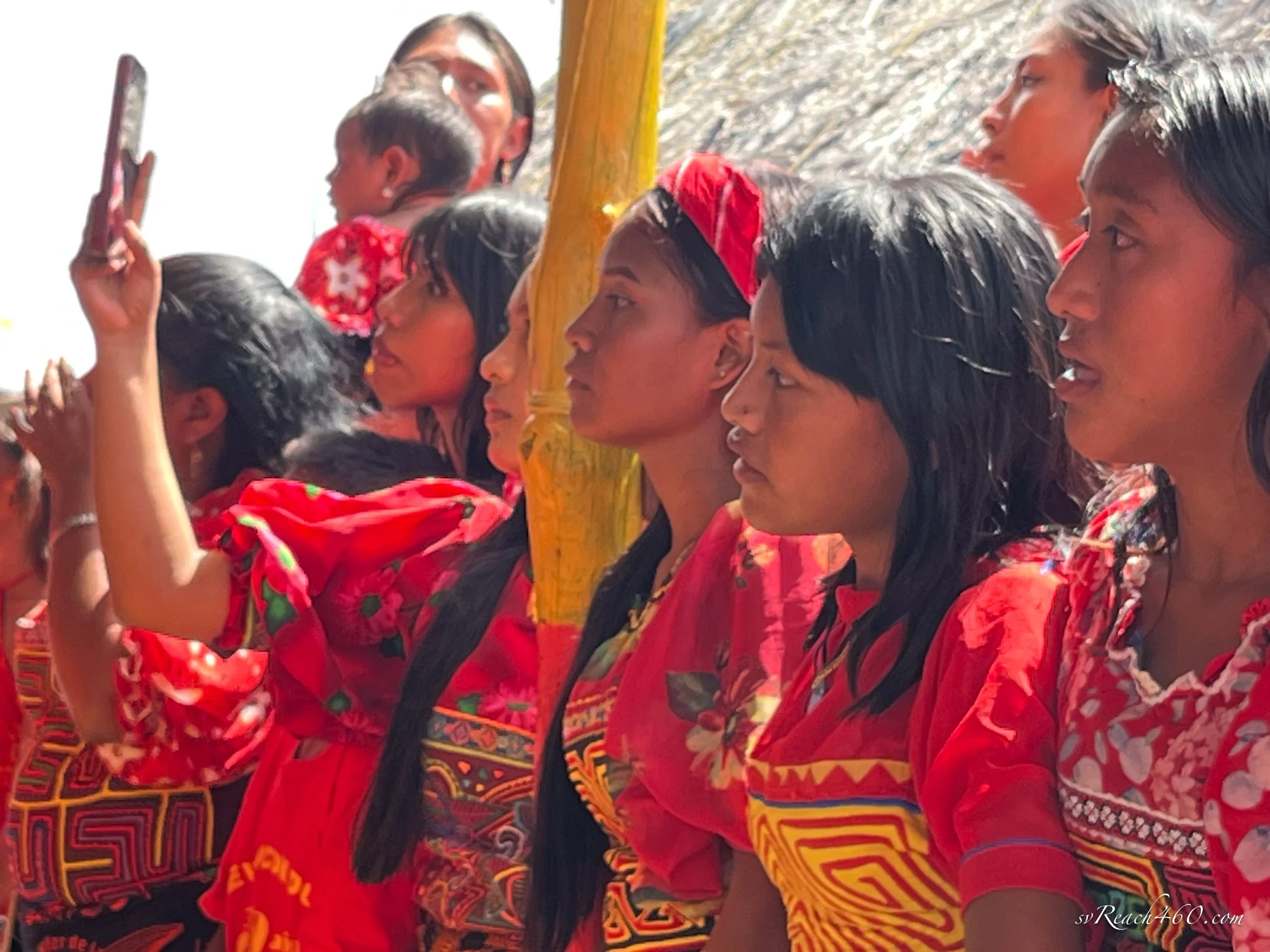
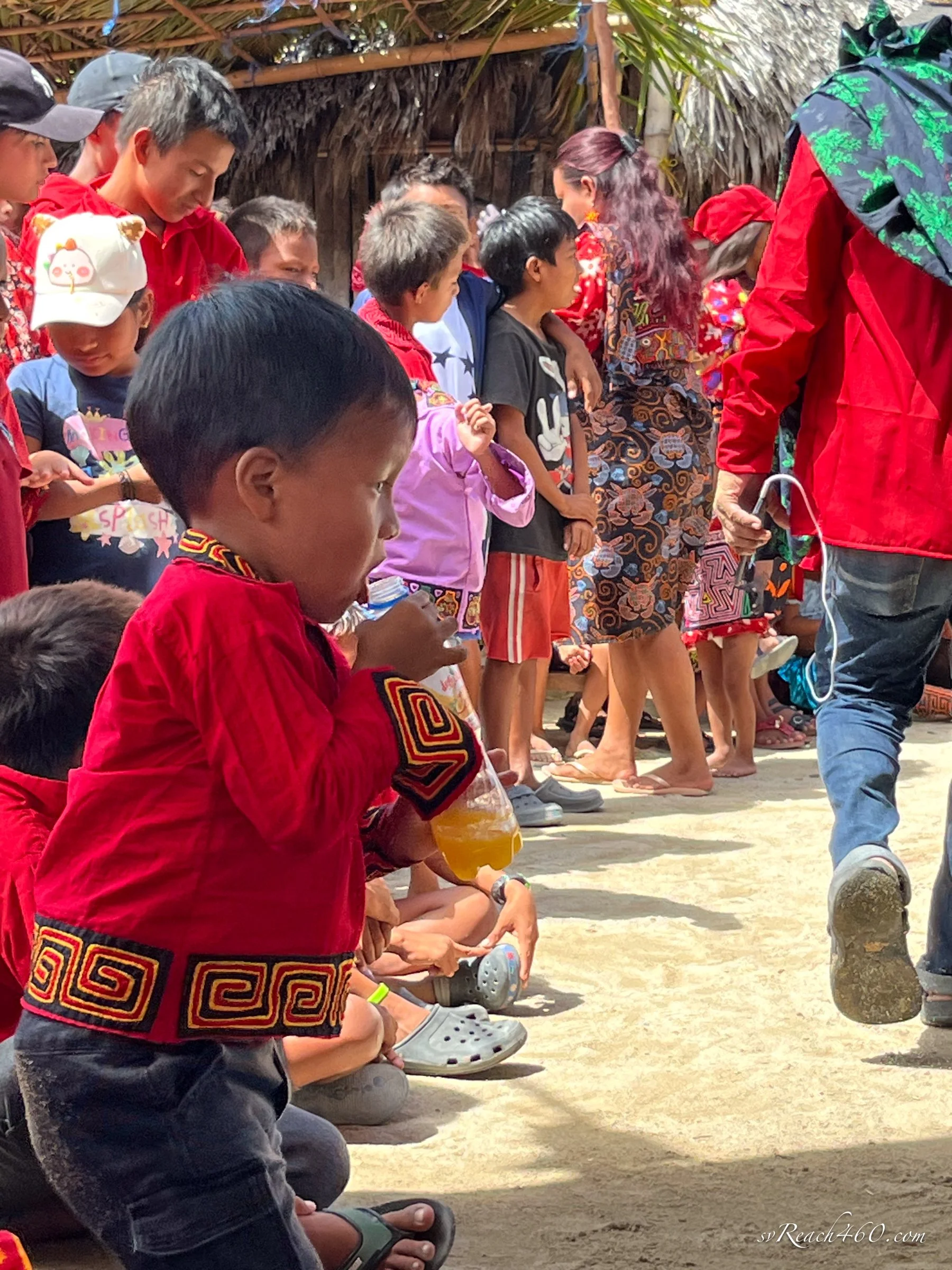
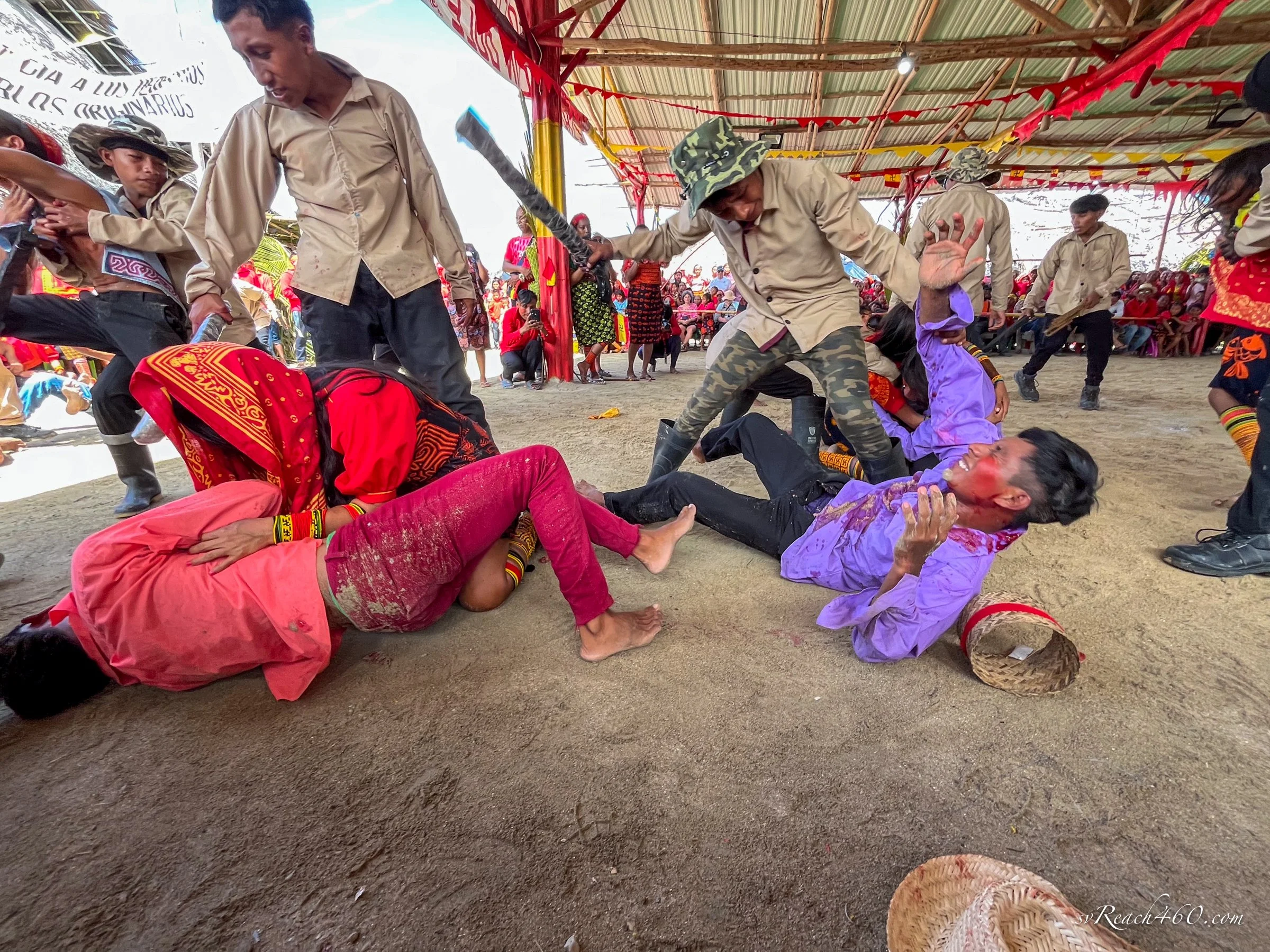
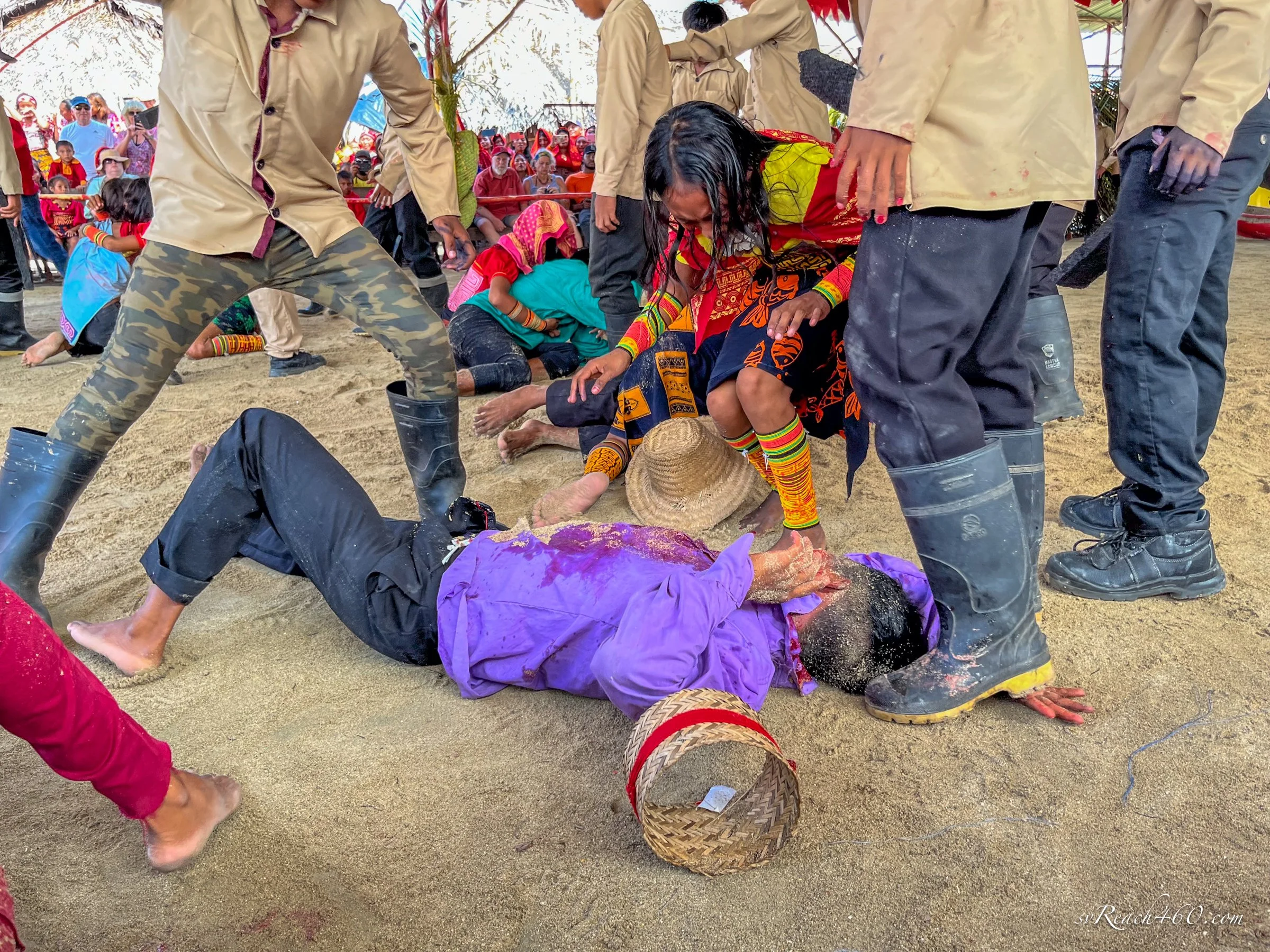
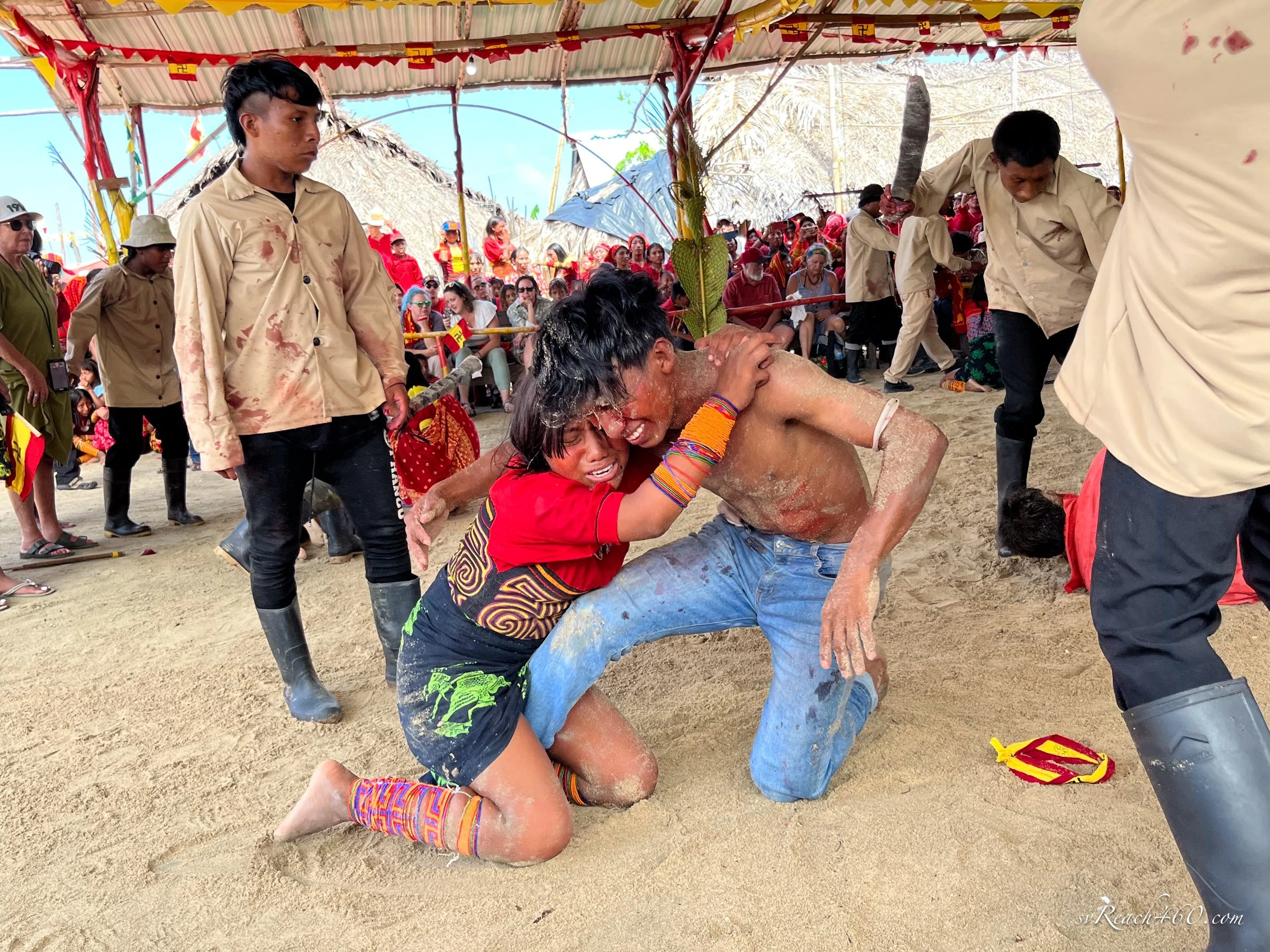
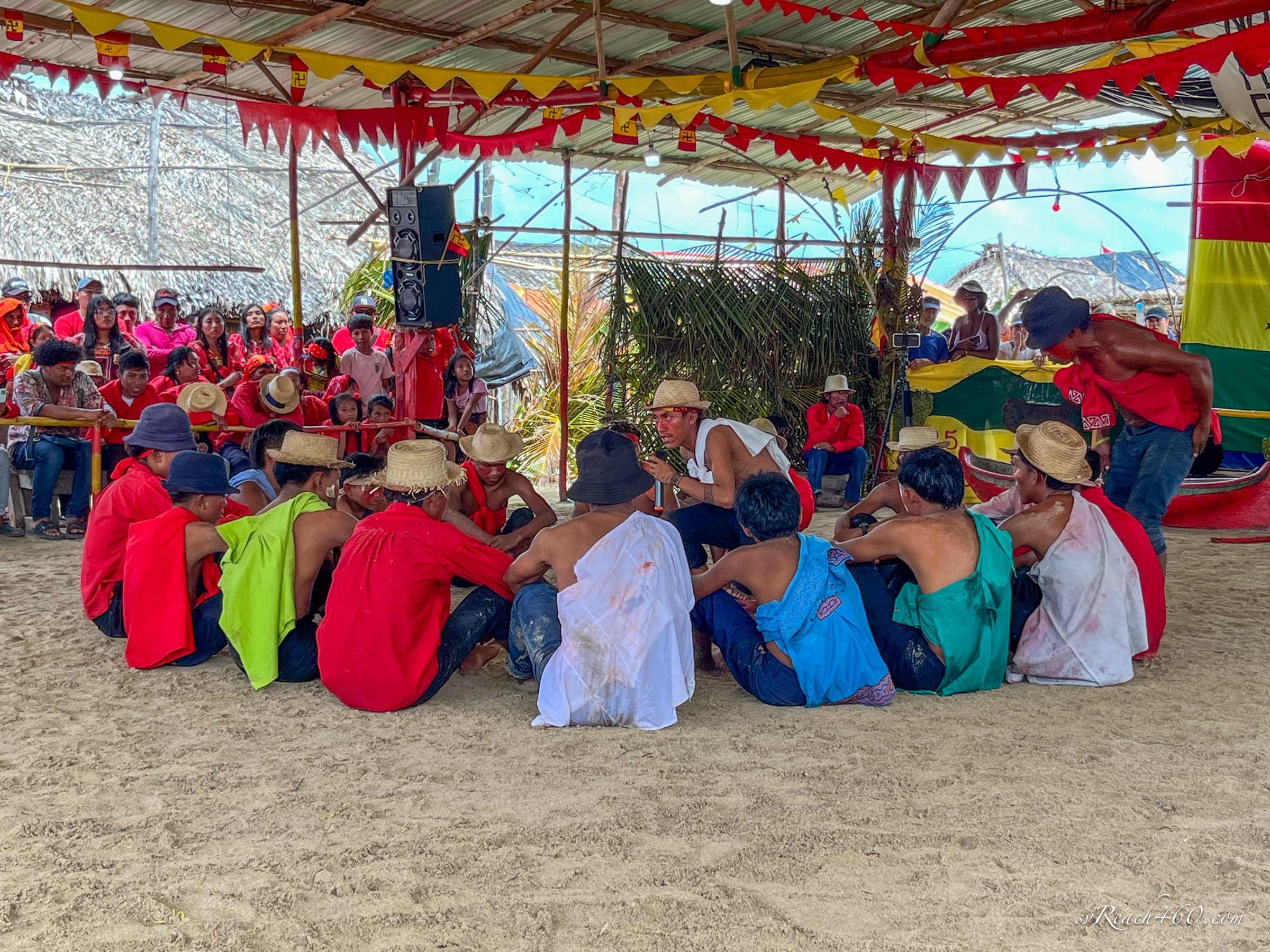
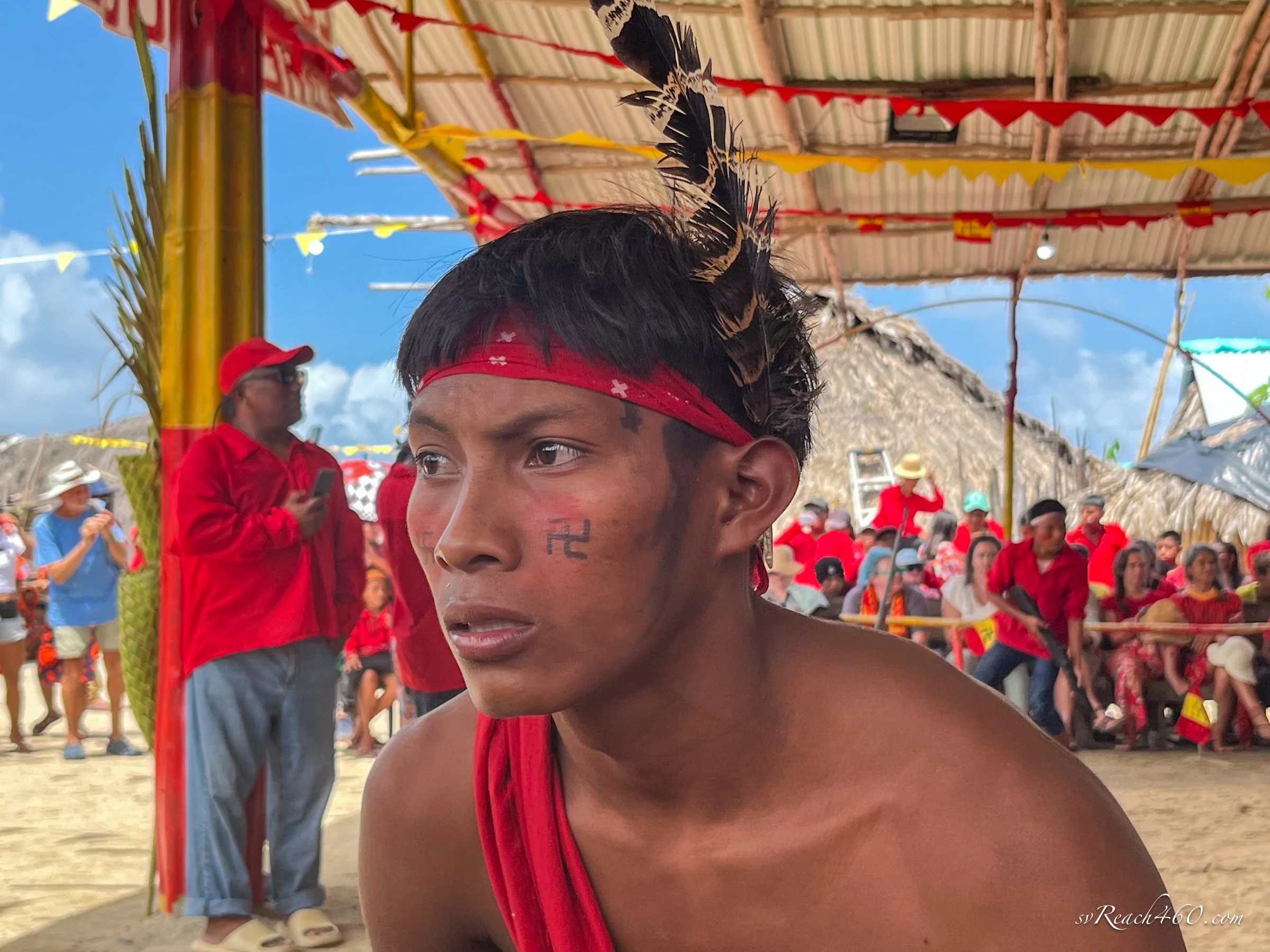
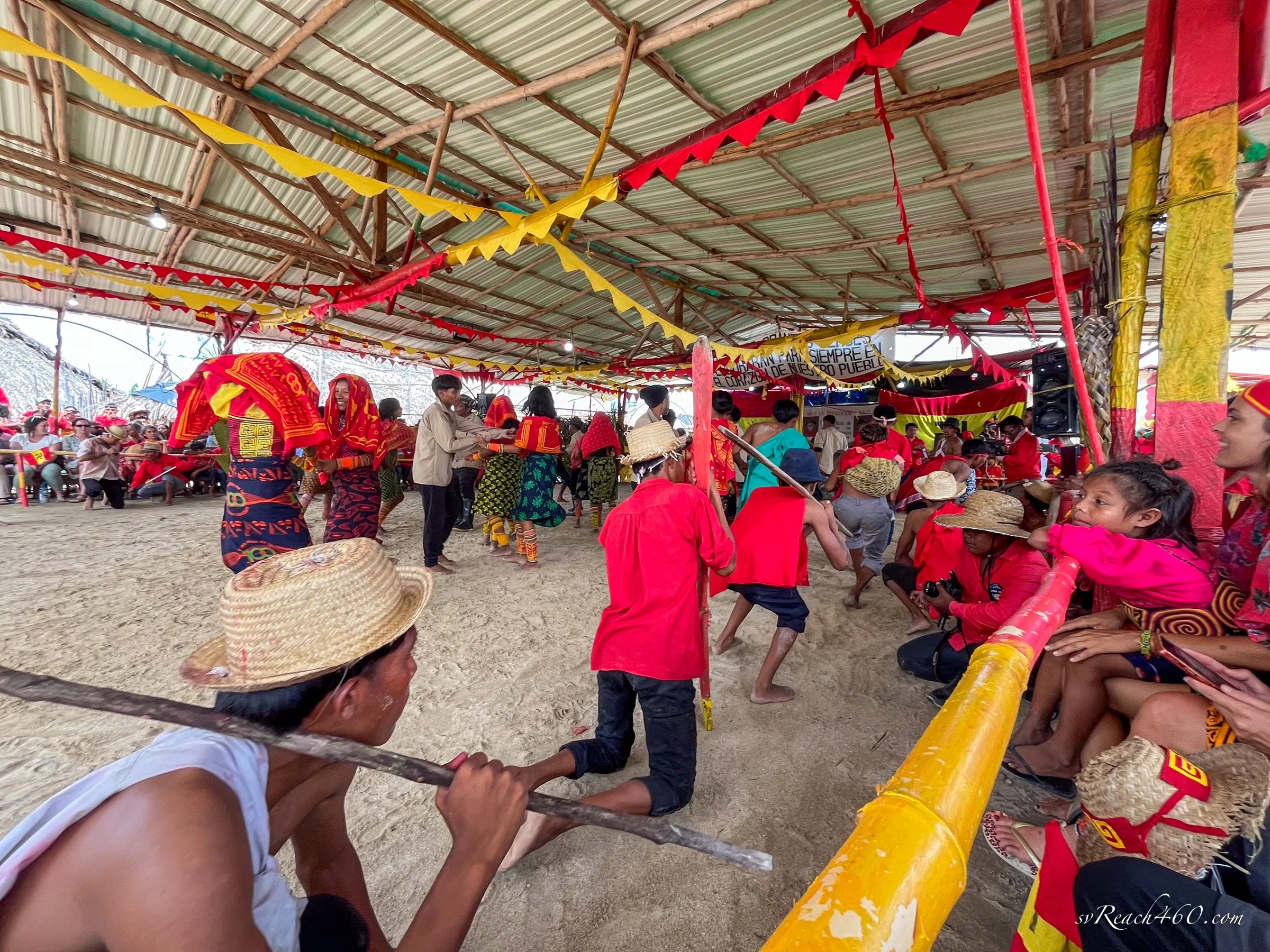
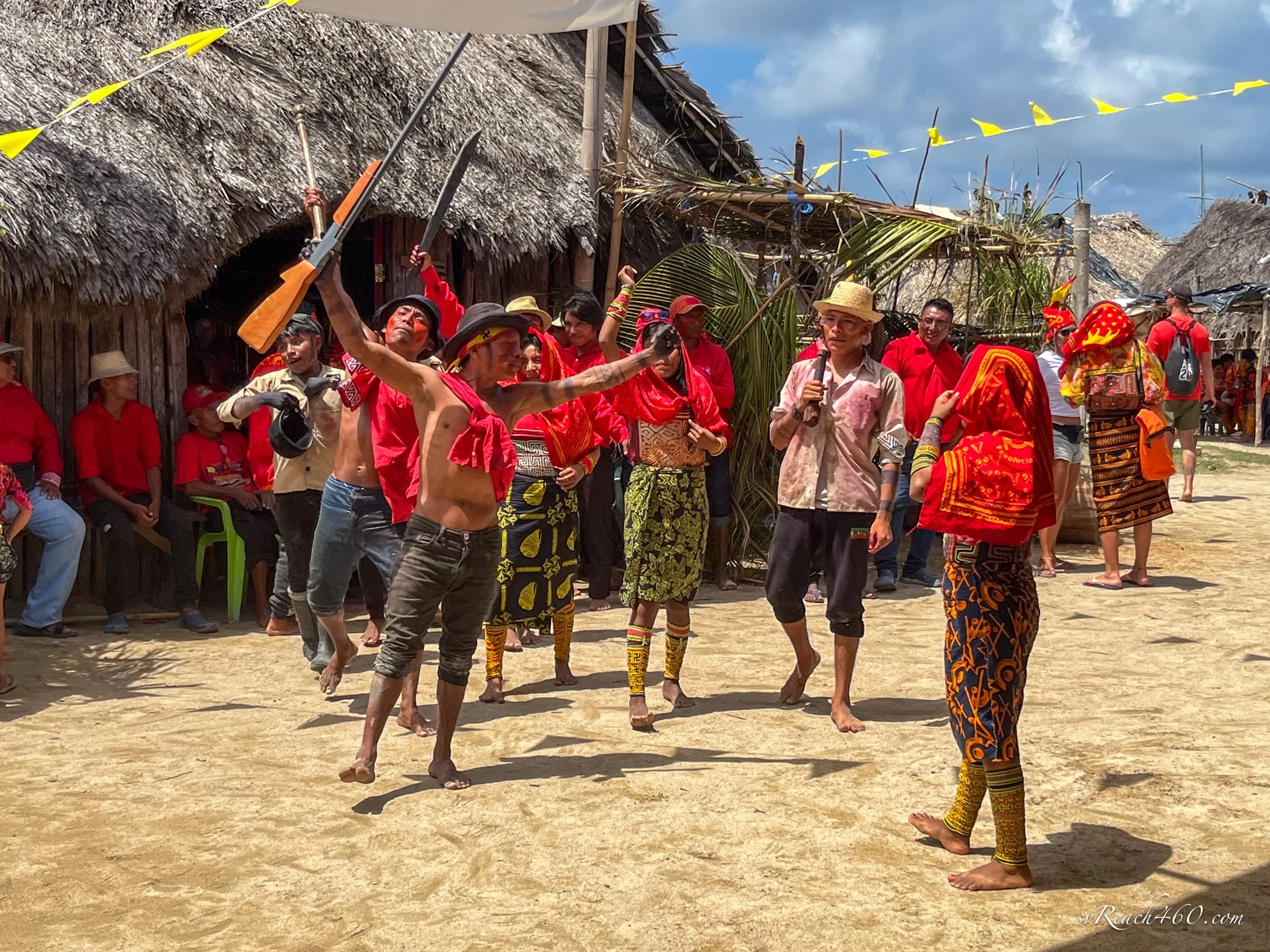
February 2025 marked the 100th anniversary of Guna independence from Panamá (they are currently an autonomous region with indigenous recognition by the Panamá government). We were anchored in the E Holandes at the time and managed to get a panga ride to the revolution commemoration on Isla Tigre. It was the second time that we were able to attend, our first time being in 2011 with interpretation by a visiting anthropologist.
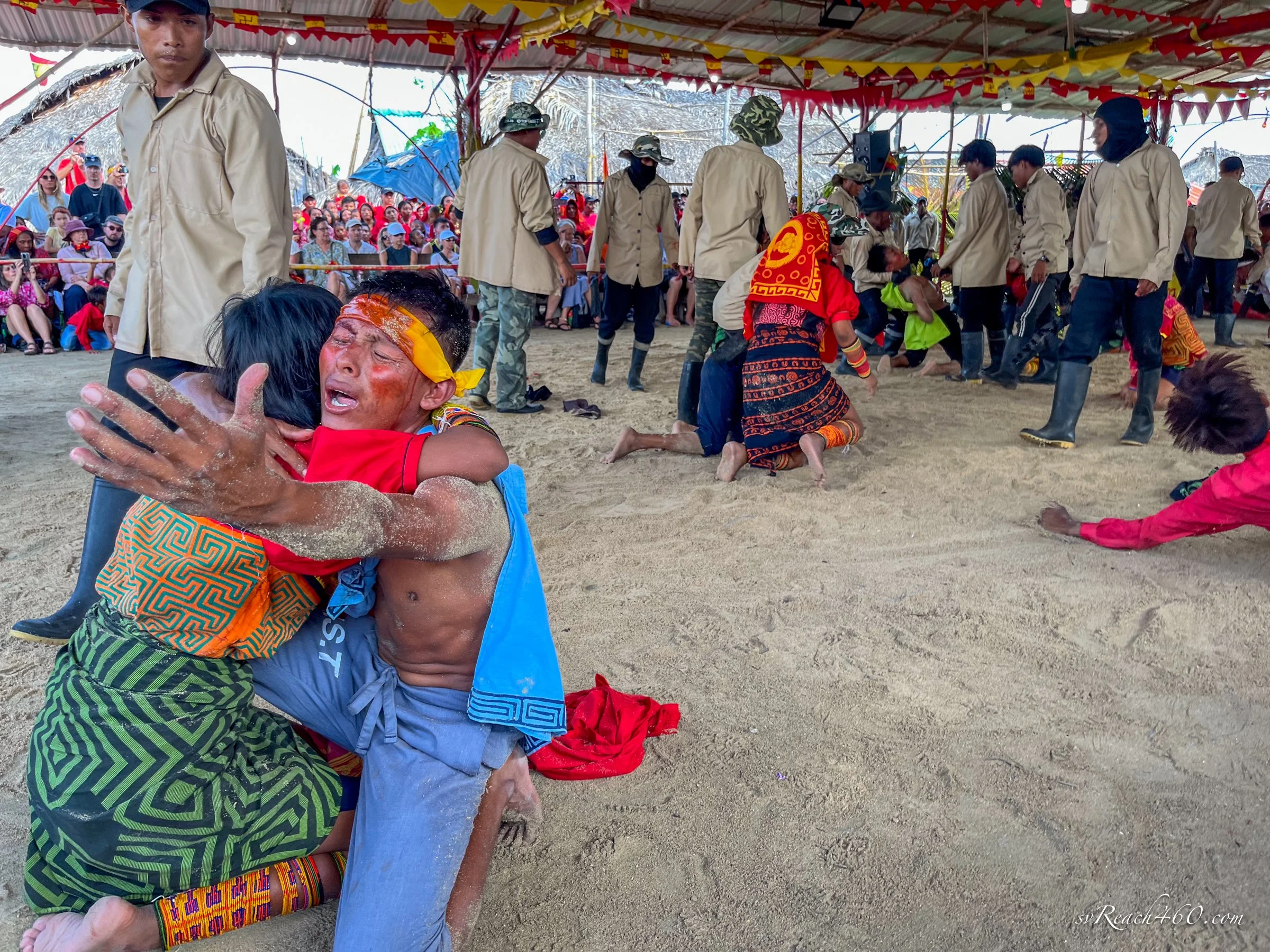
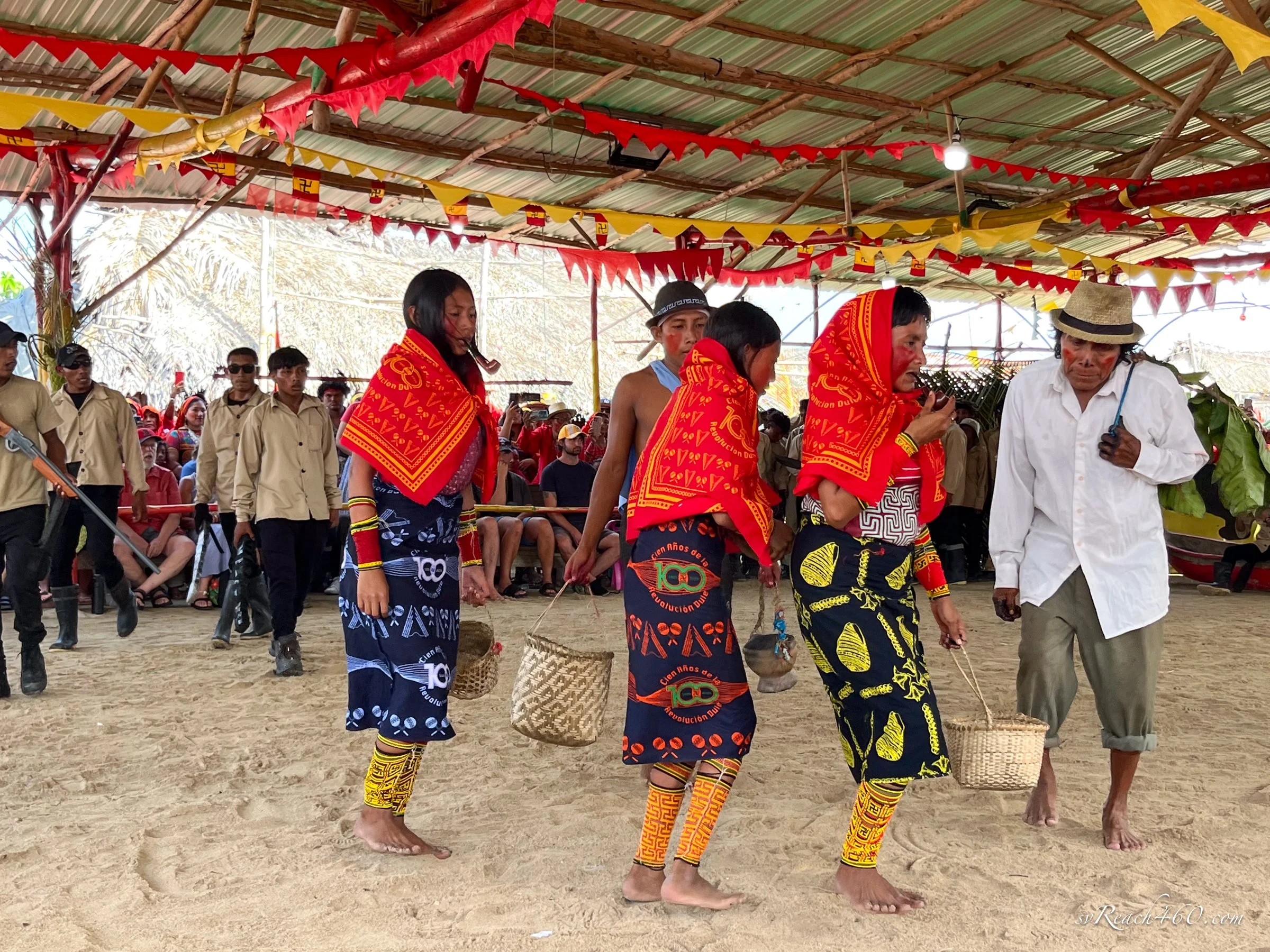
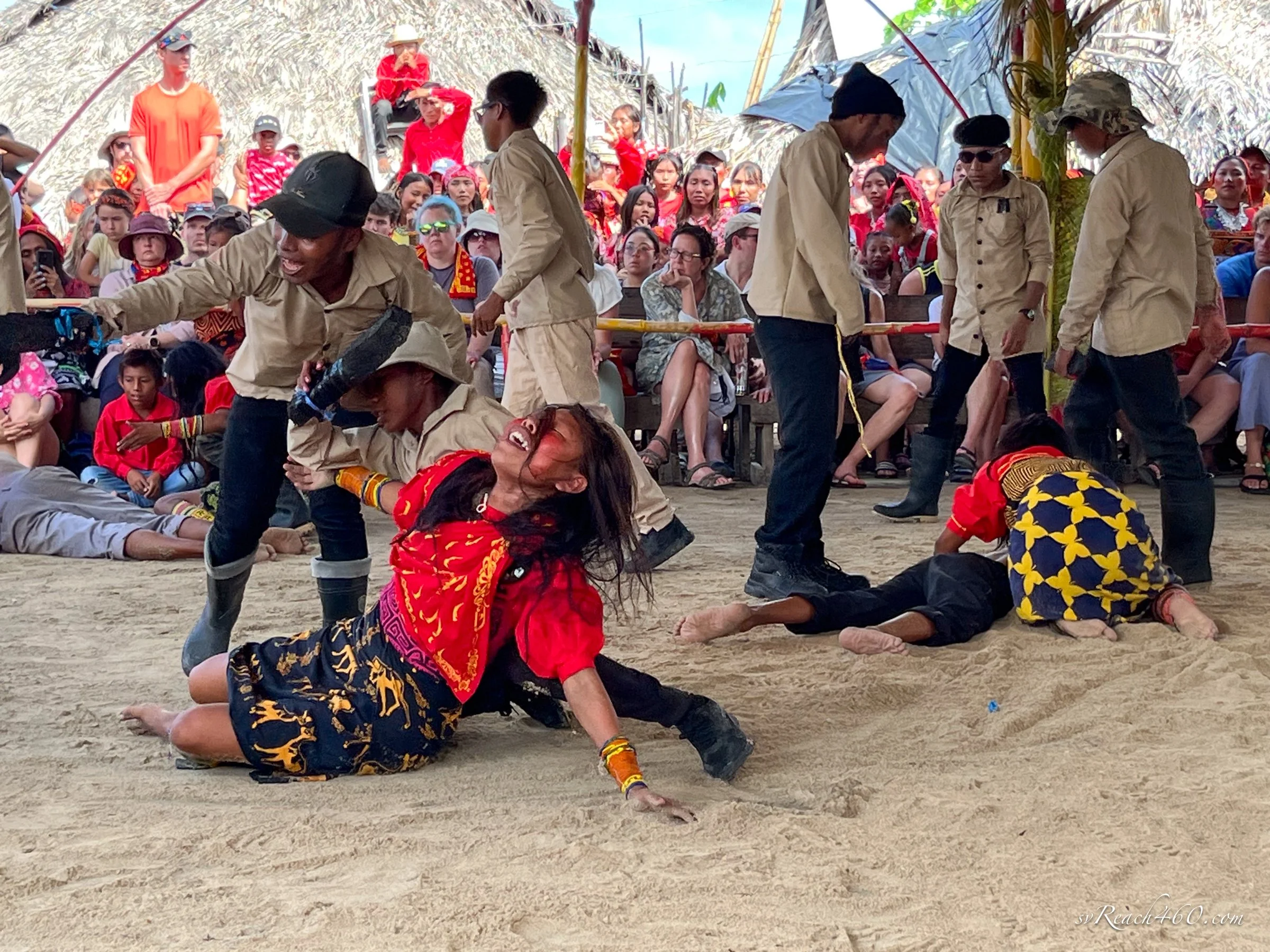
The reenactment is carried out by young adults and is most certainly the way in which they record and pass their history to the next generation, who sit and watch the very visceral story unfold. In fact, it is quite unsettling and violent, often with the audience crying along with the actors.
Watching the Guna Revolution reenactment

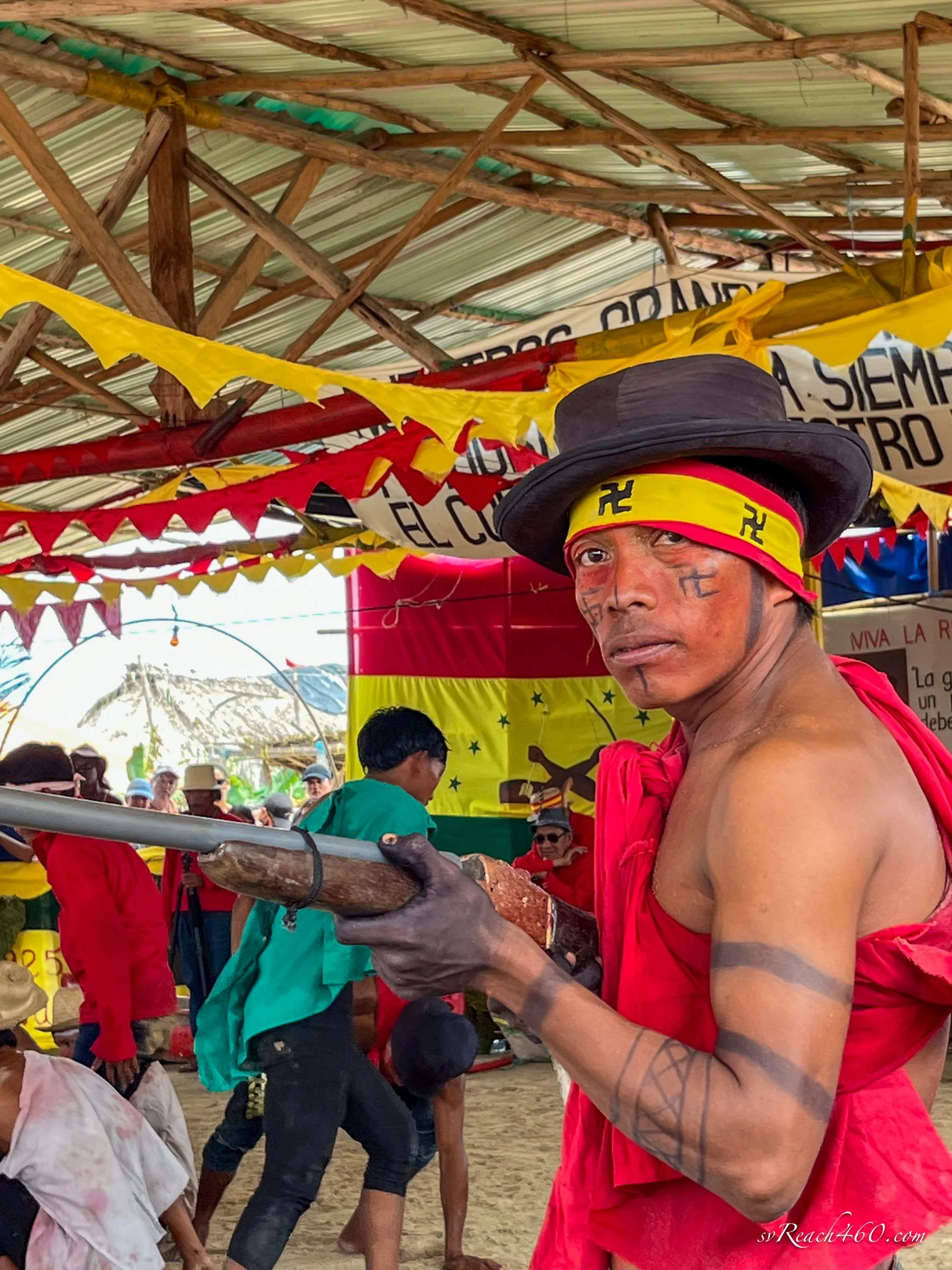
Revolución
This centennial commemoration was very well organized, with narrators also in Spanish and English. We recalled the main trajectory of the events from last time and watched it unfold right in front of us in the spectator seats. Photography was allowed and permission was asked and granted. I share the photos below in respect for the Gunas’ sharing of their stories with us.
The short verison: The Gunas lived happily with their traditional ways, until the Panamanian government and soldiers started to interfere and try to assimilate them. They persecuted the indigenous people for their traditions, including cooking and drinking, natural medicines, dress and beads, music and dance, etc. Eventually, after notable deaths of their people, Guna leaders from the many pueblos/islands traveled across the archipelago to spread the word and plot a revolution. At Carnival celebrations, when the Panamanian soldiers would be drinking and dancing, they ambushed on several islands. After the revolution came a treaty for their self-determination.
Each of these scenes are played out in great detail. We don’t understand the Guna language, but the acting is very emotional and realistic.
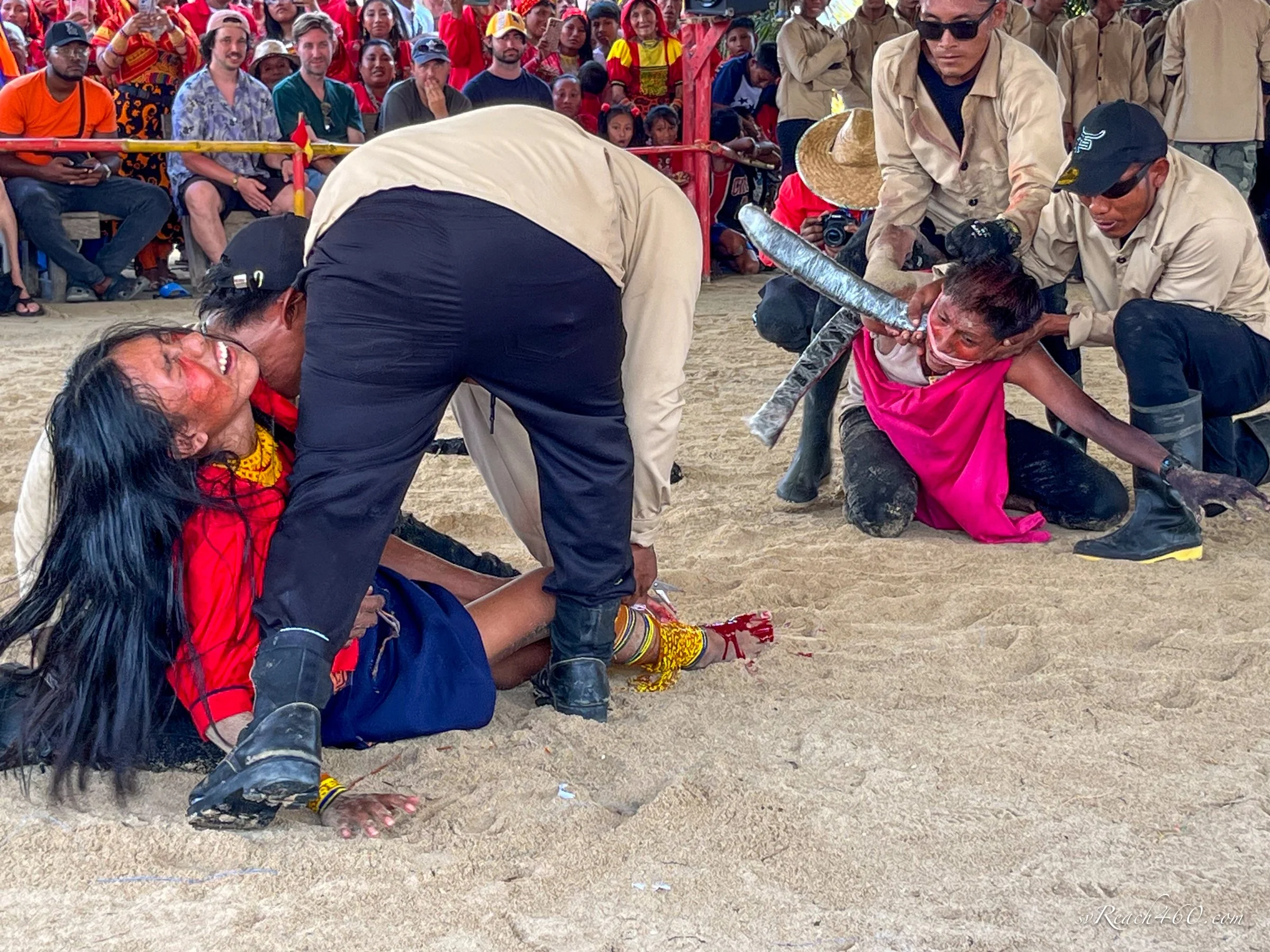
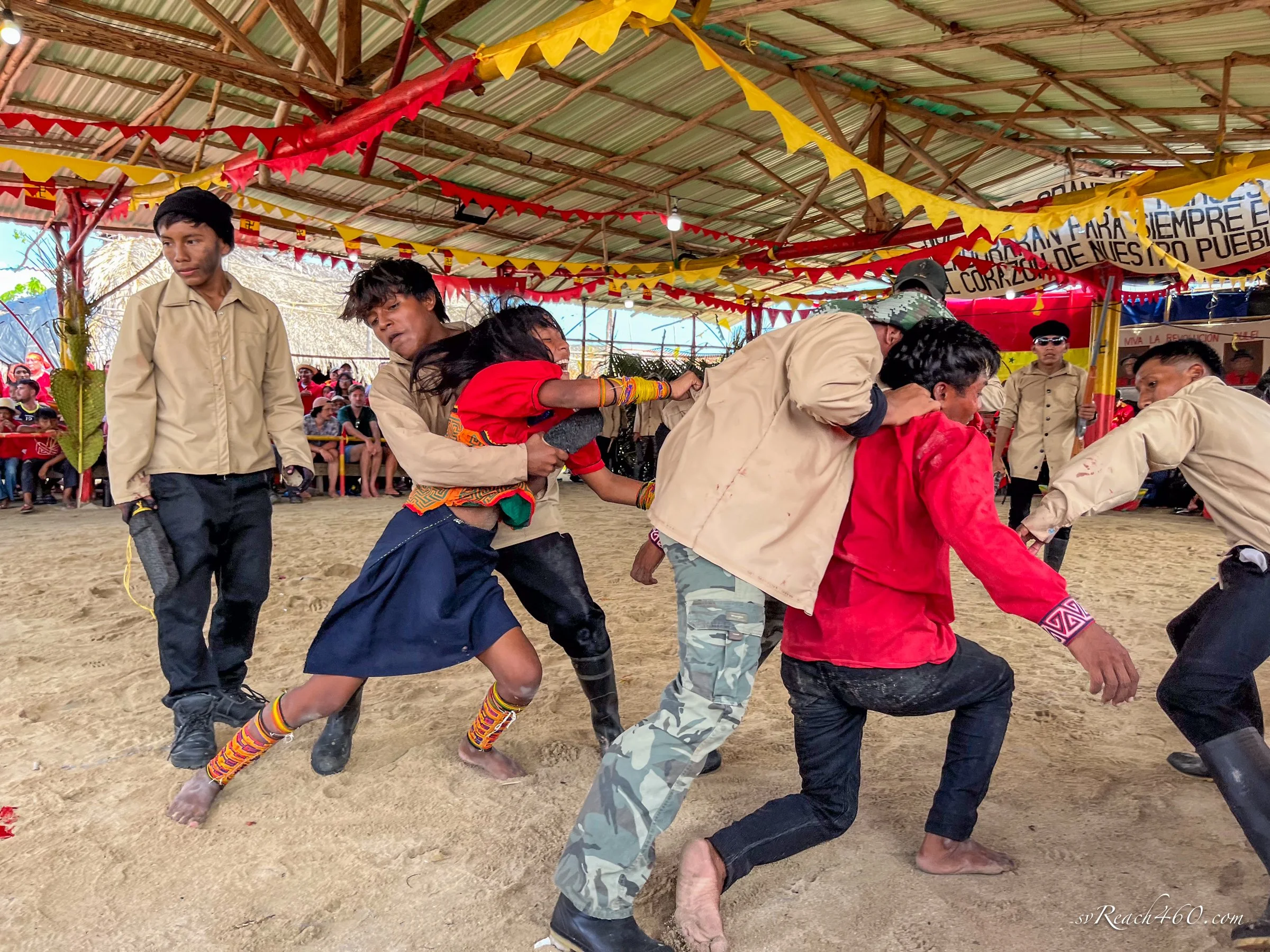
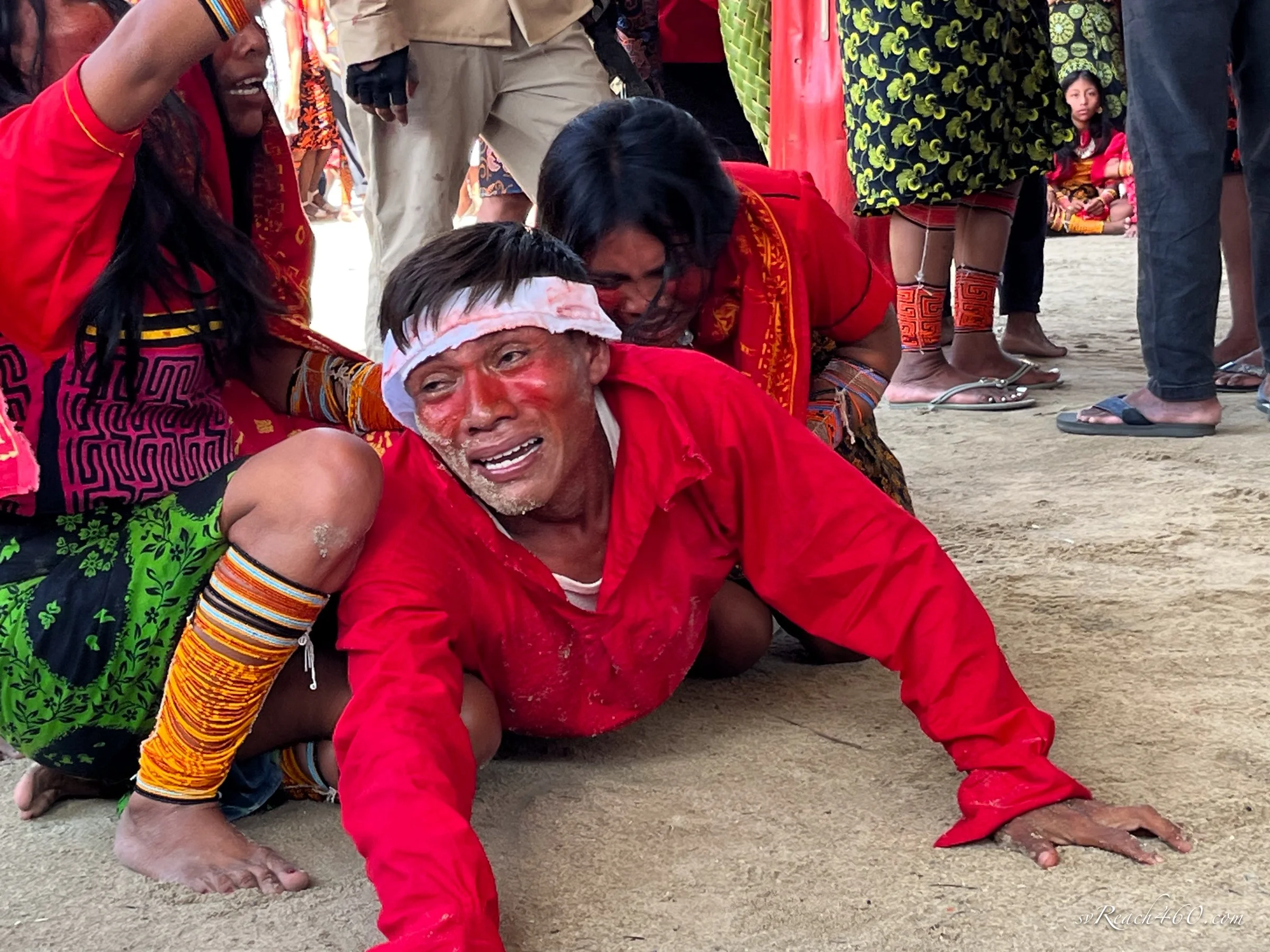
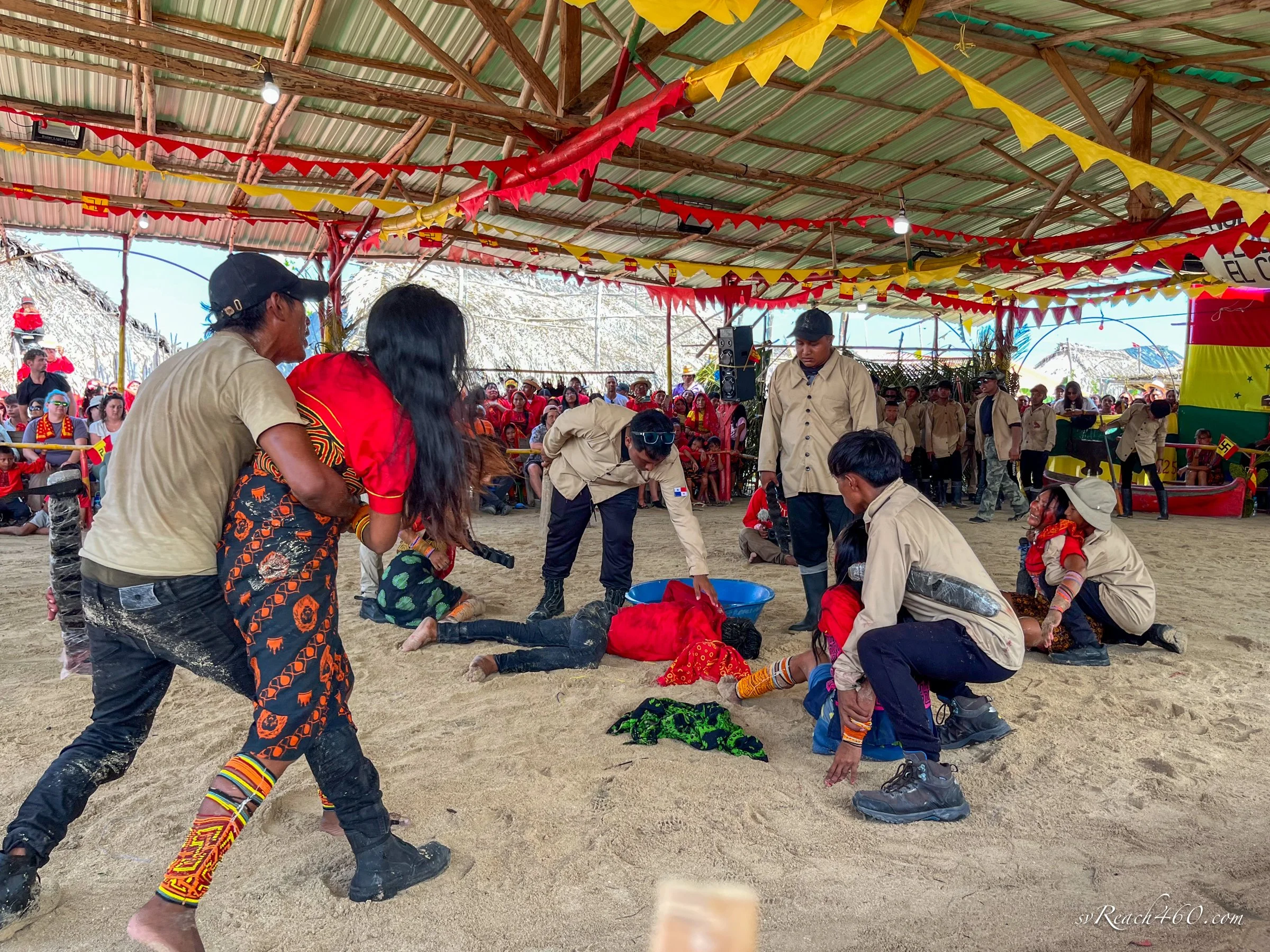
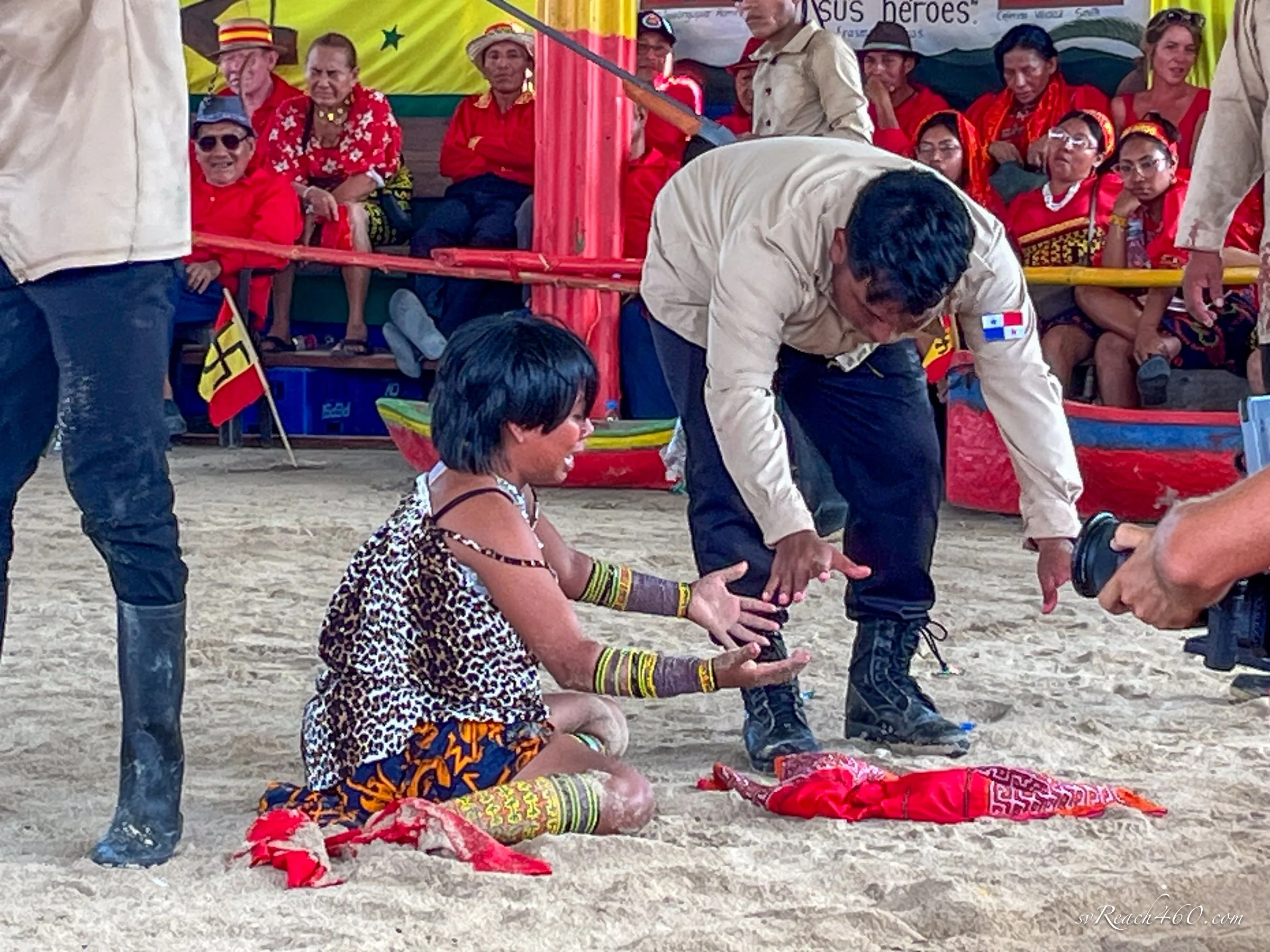
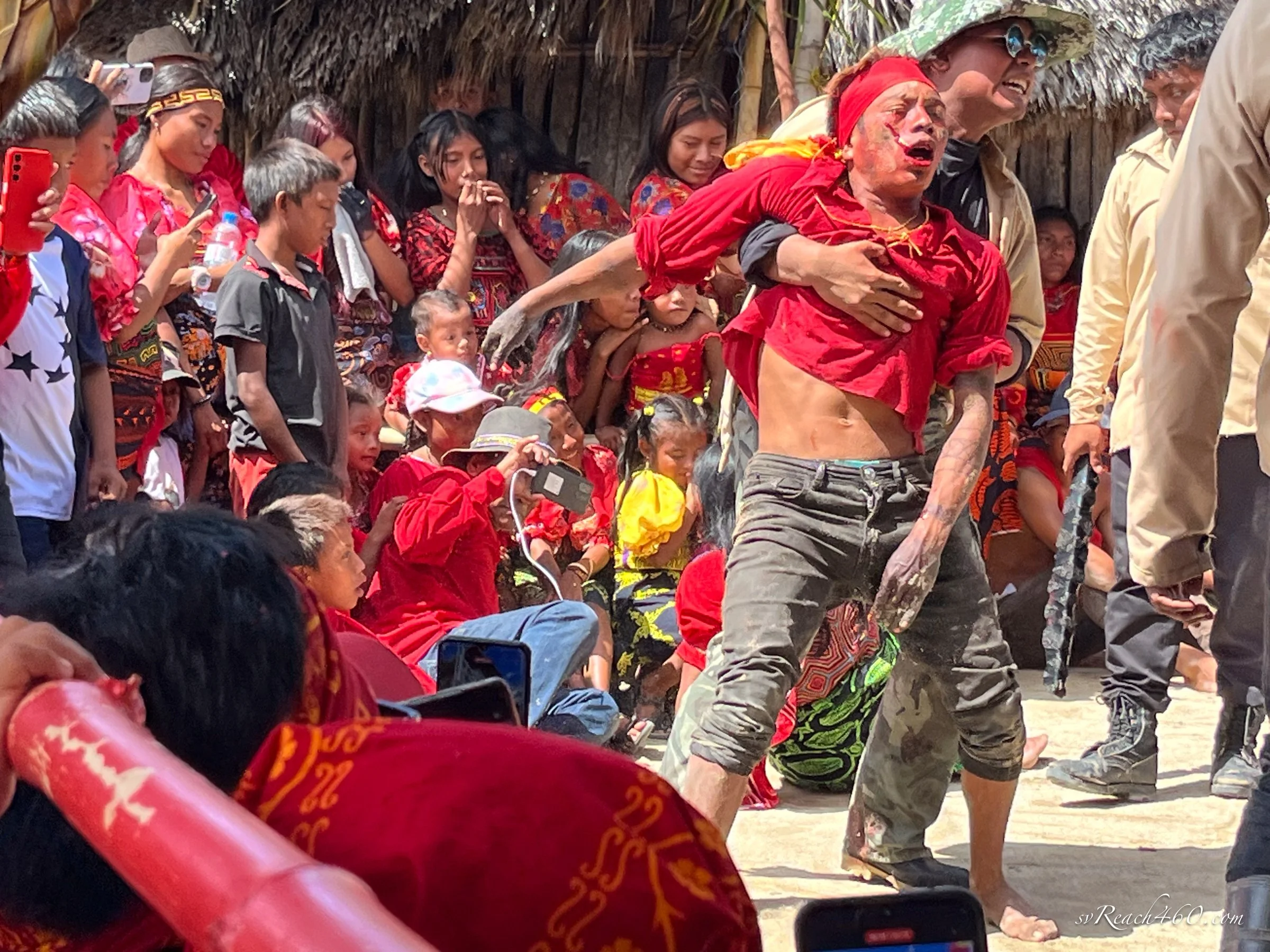
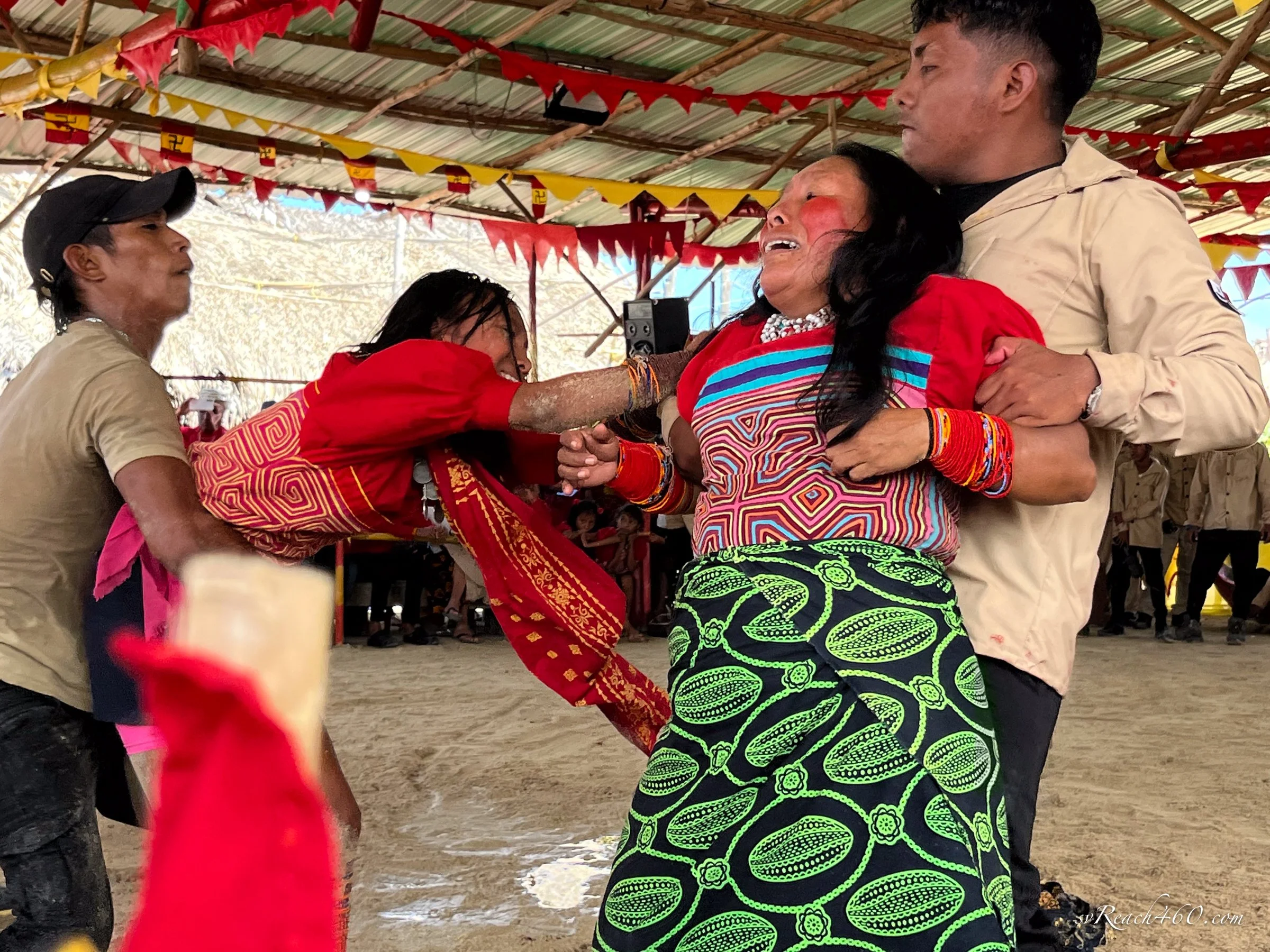
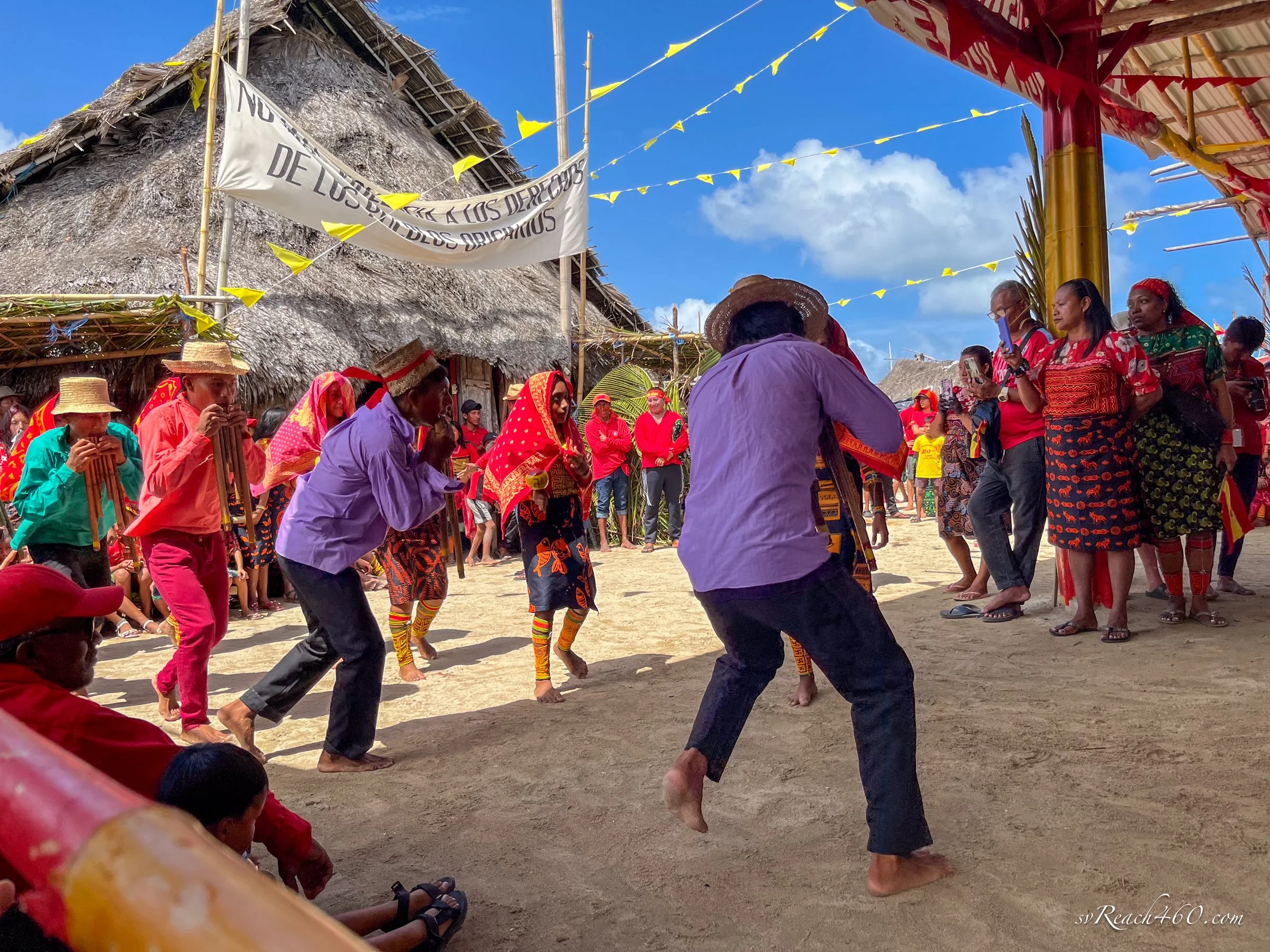


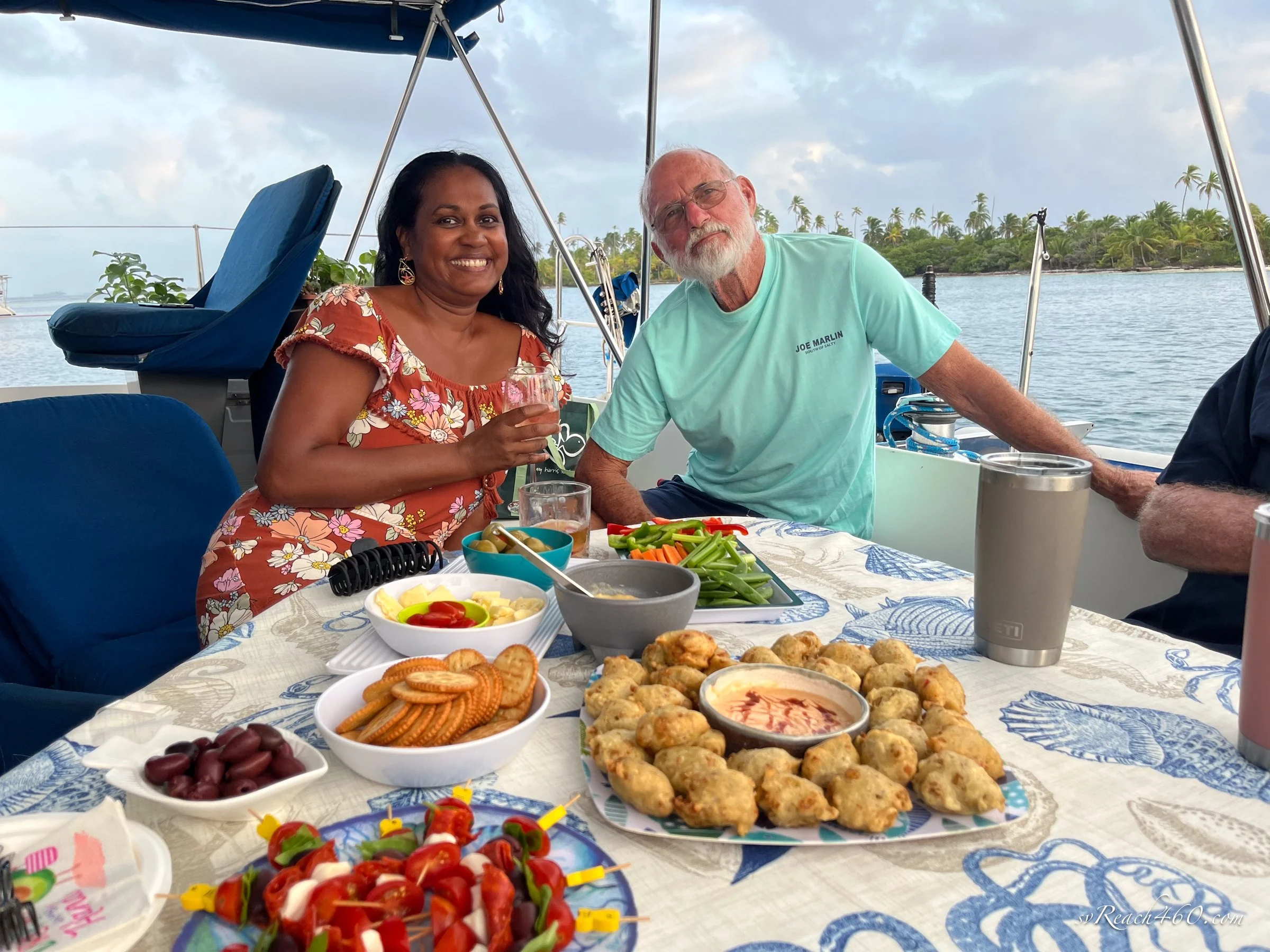
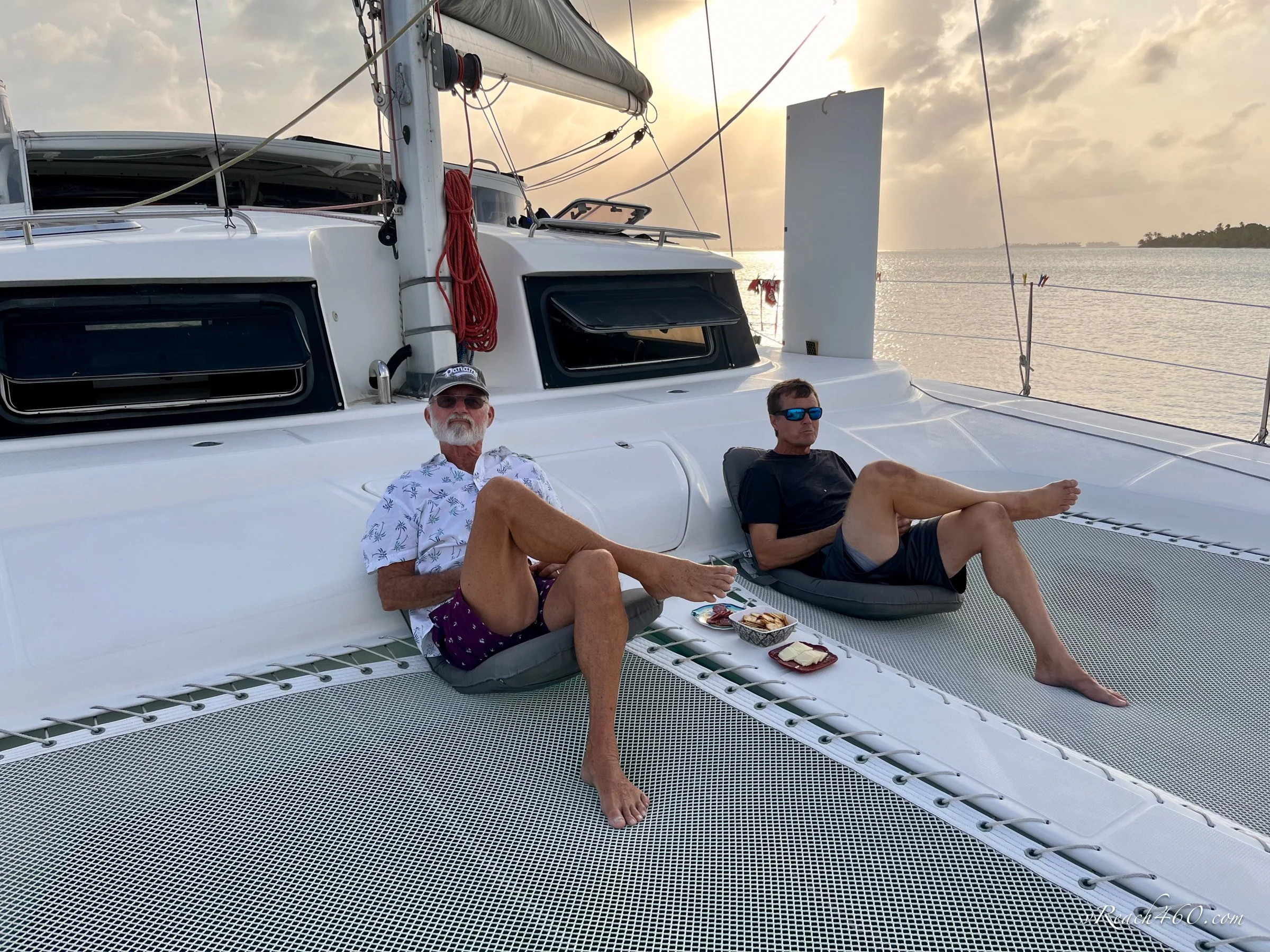
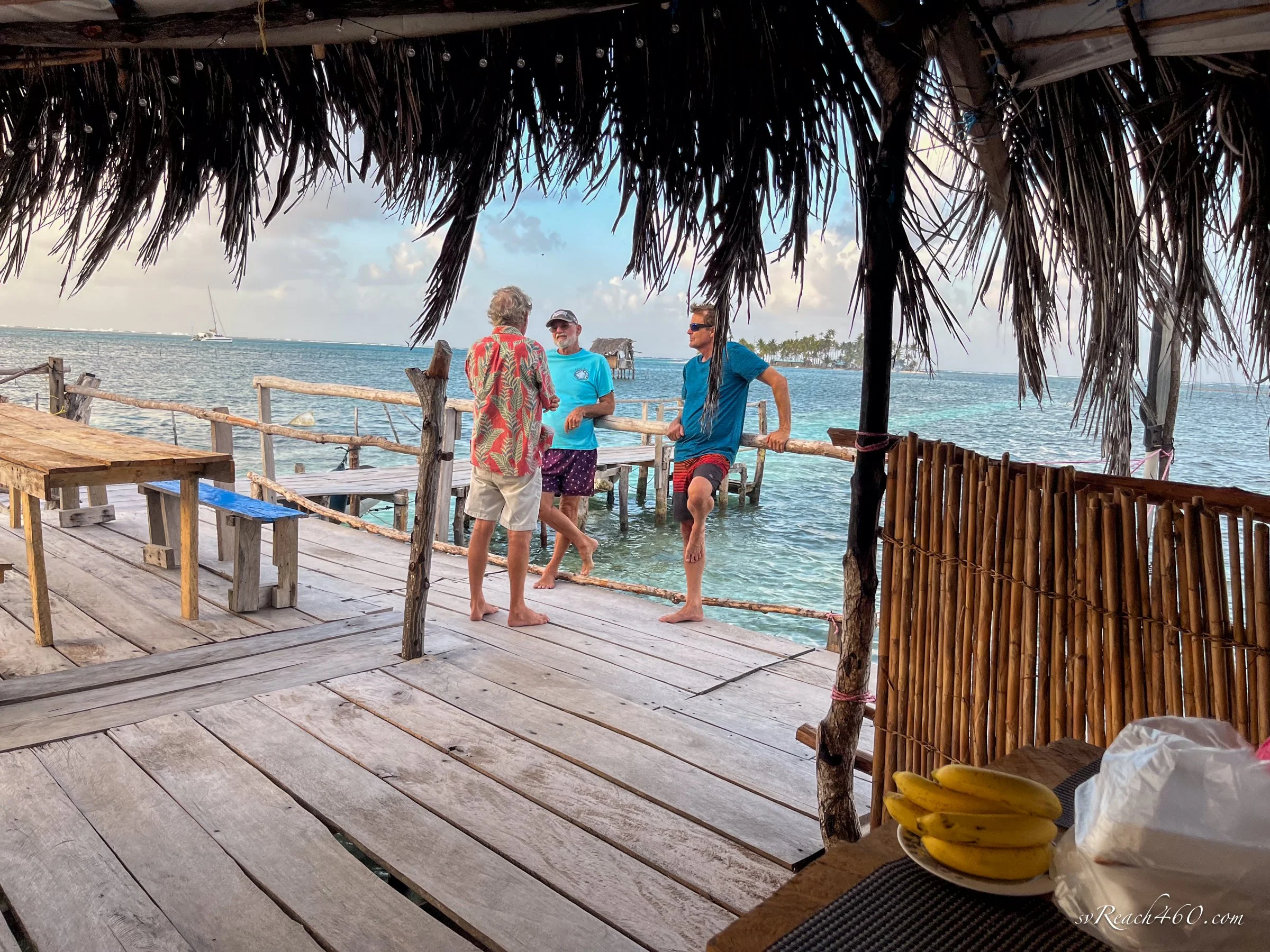
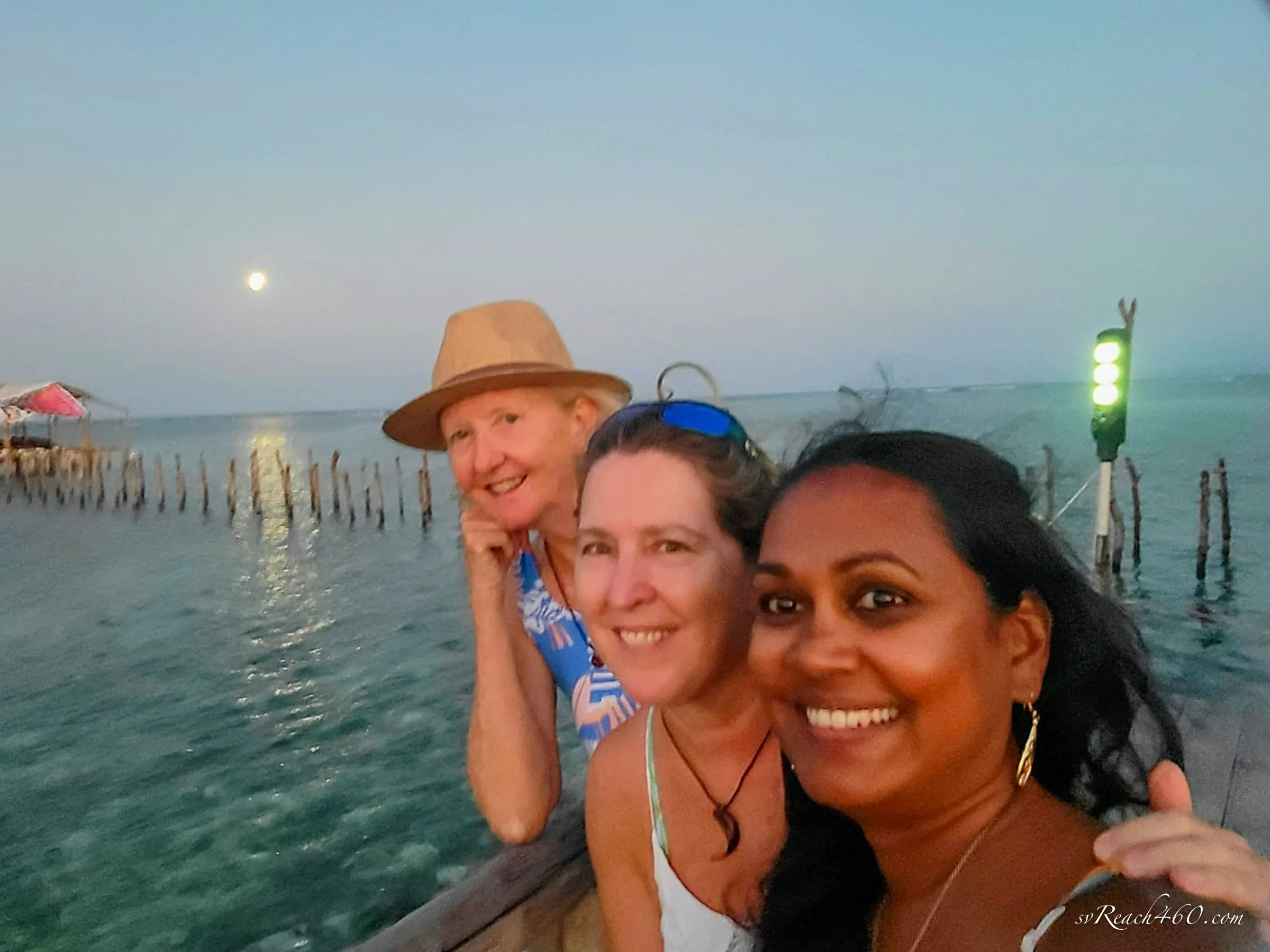
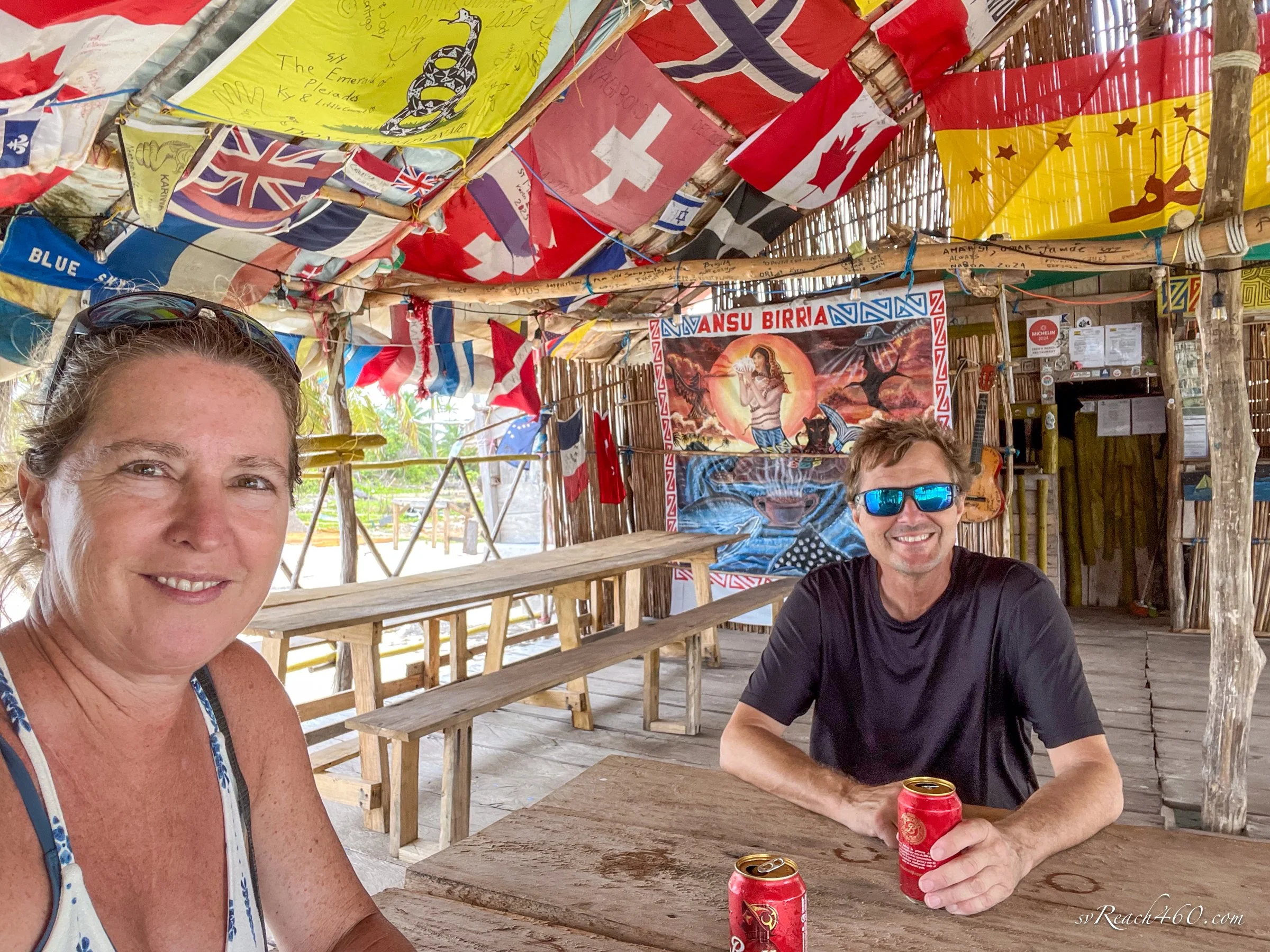
We added some wonderful memories with friends during our stay in San Blas, celebrating festive occasions and just living in paradise.
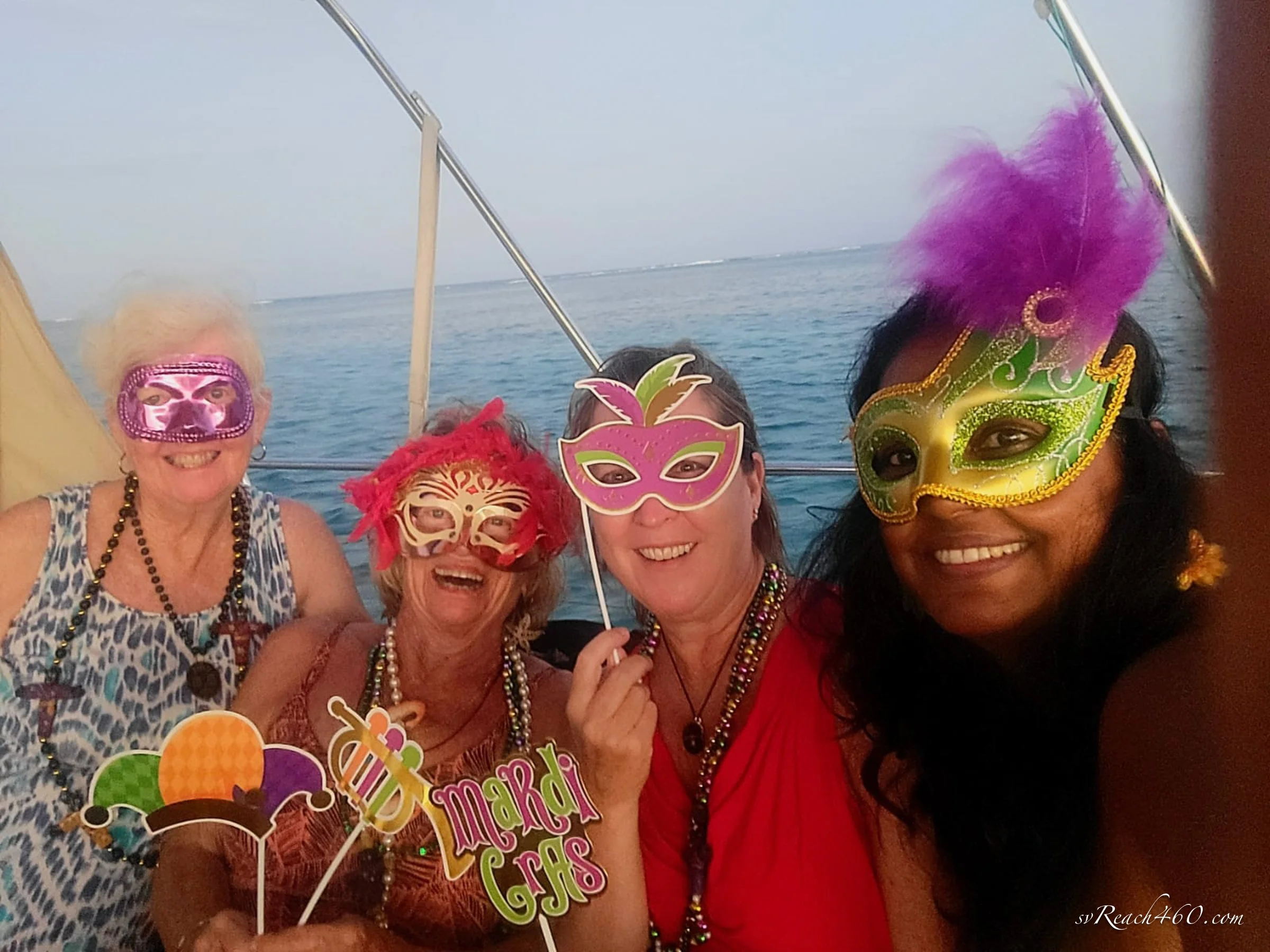

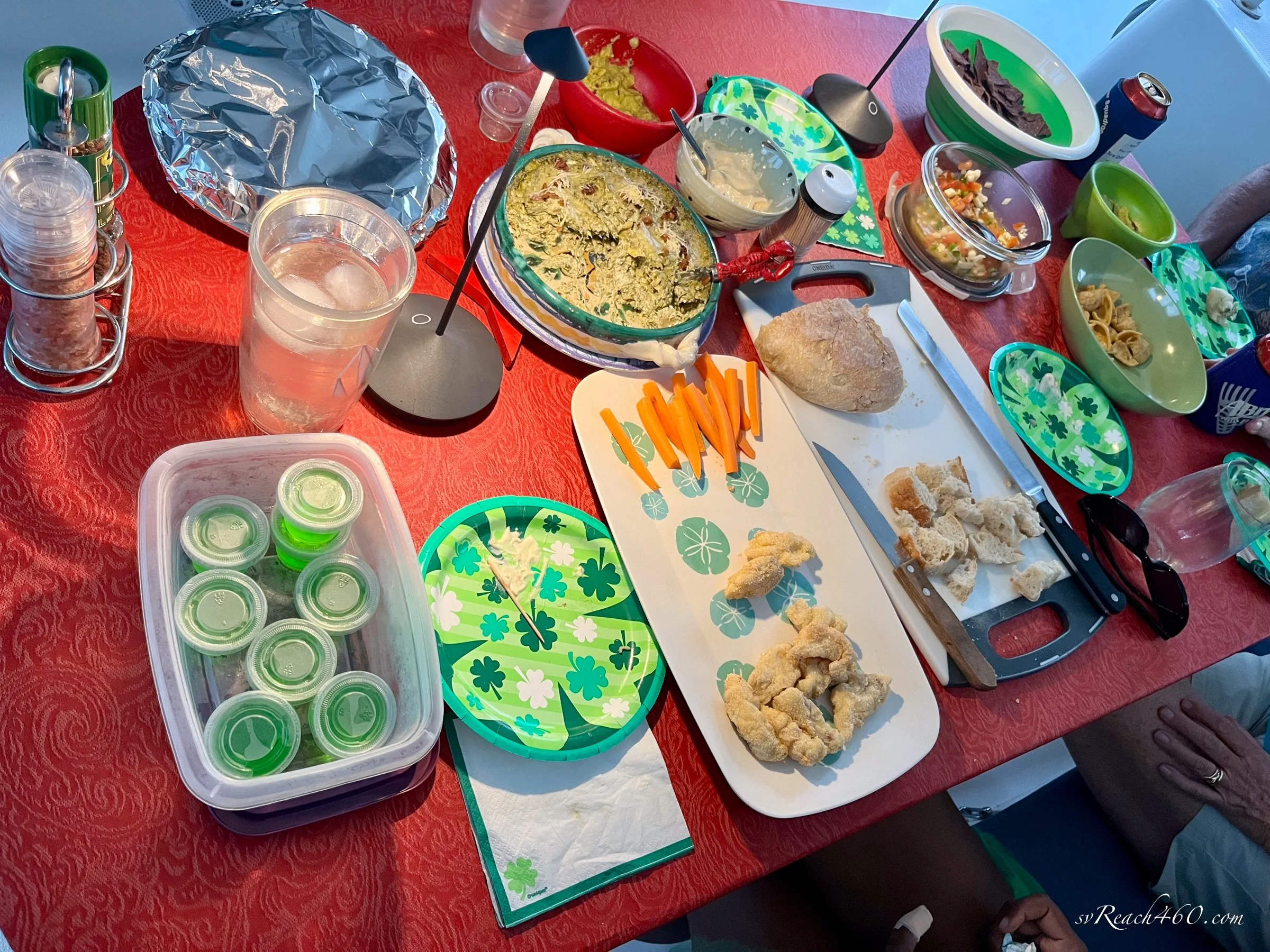
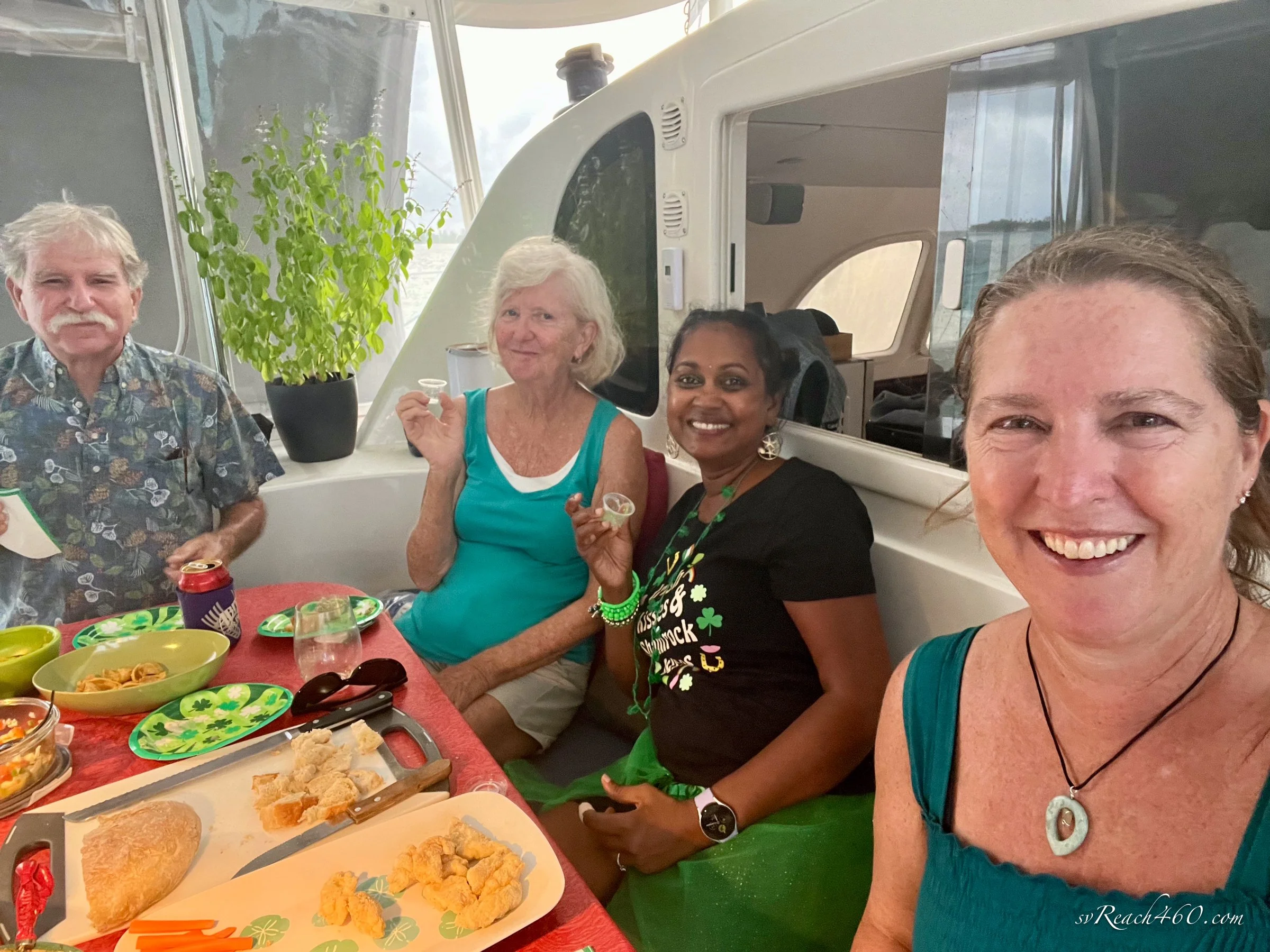
Reach in the Pool
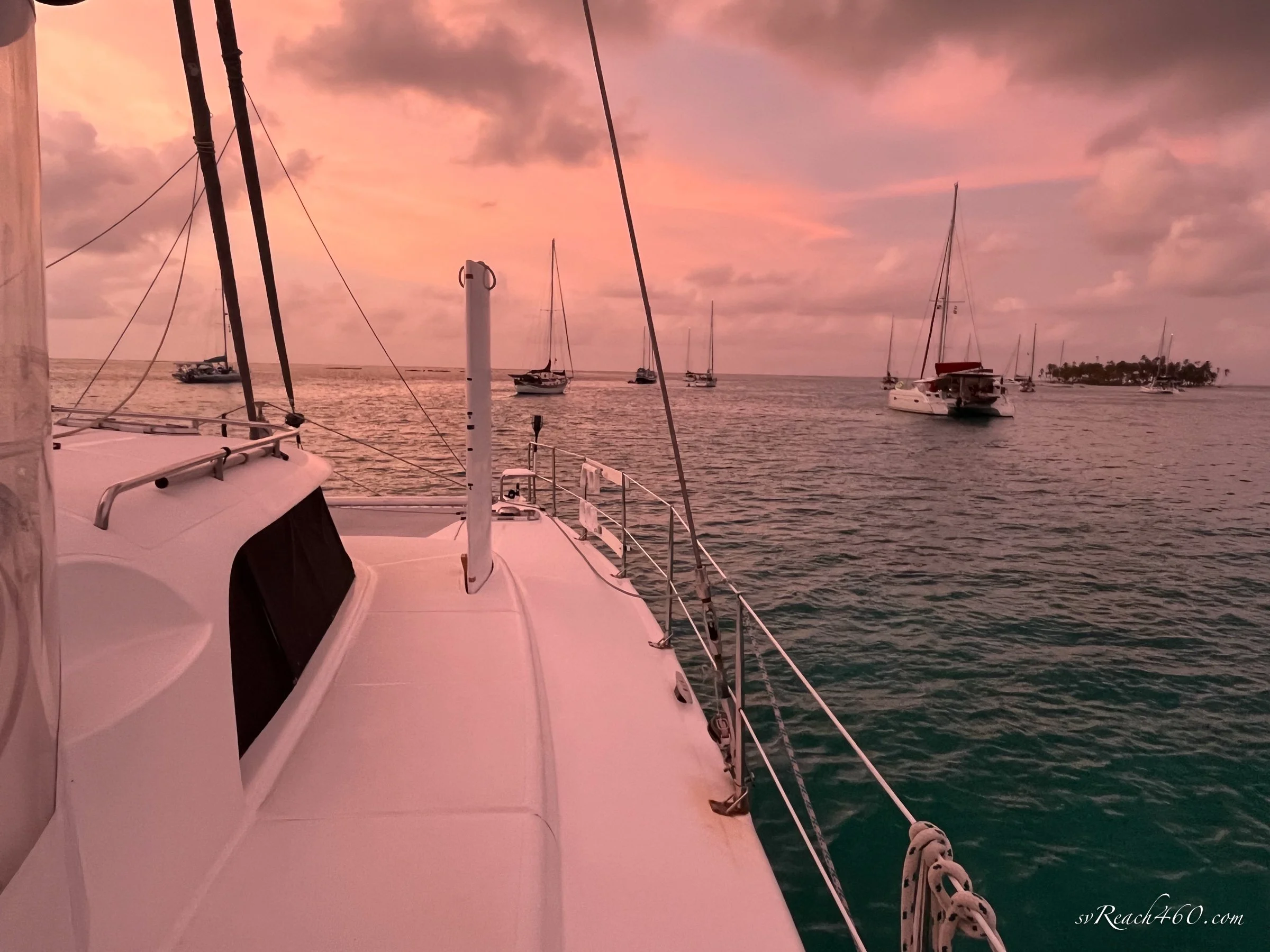
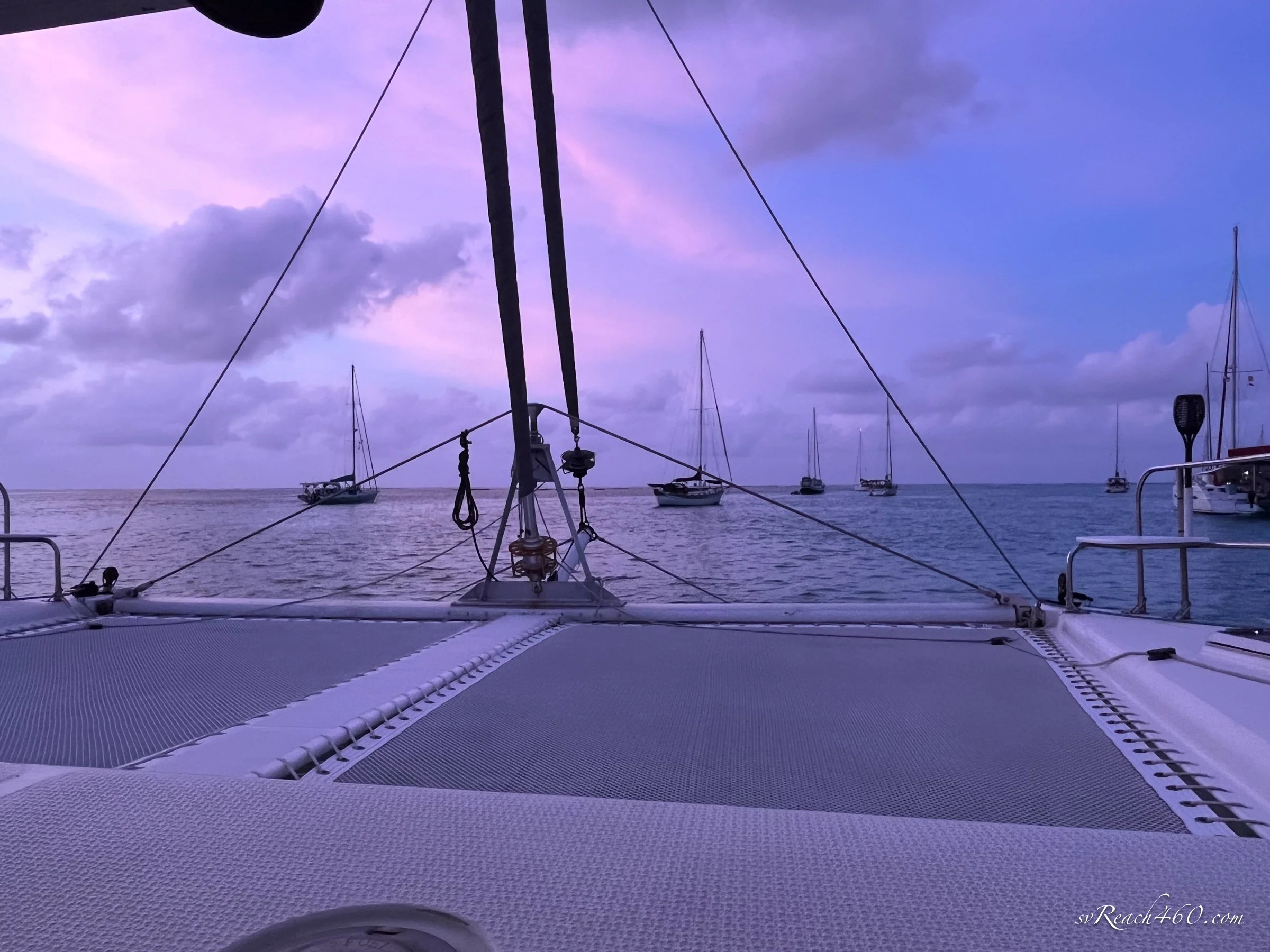
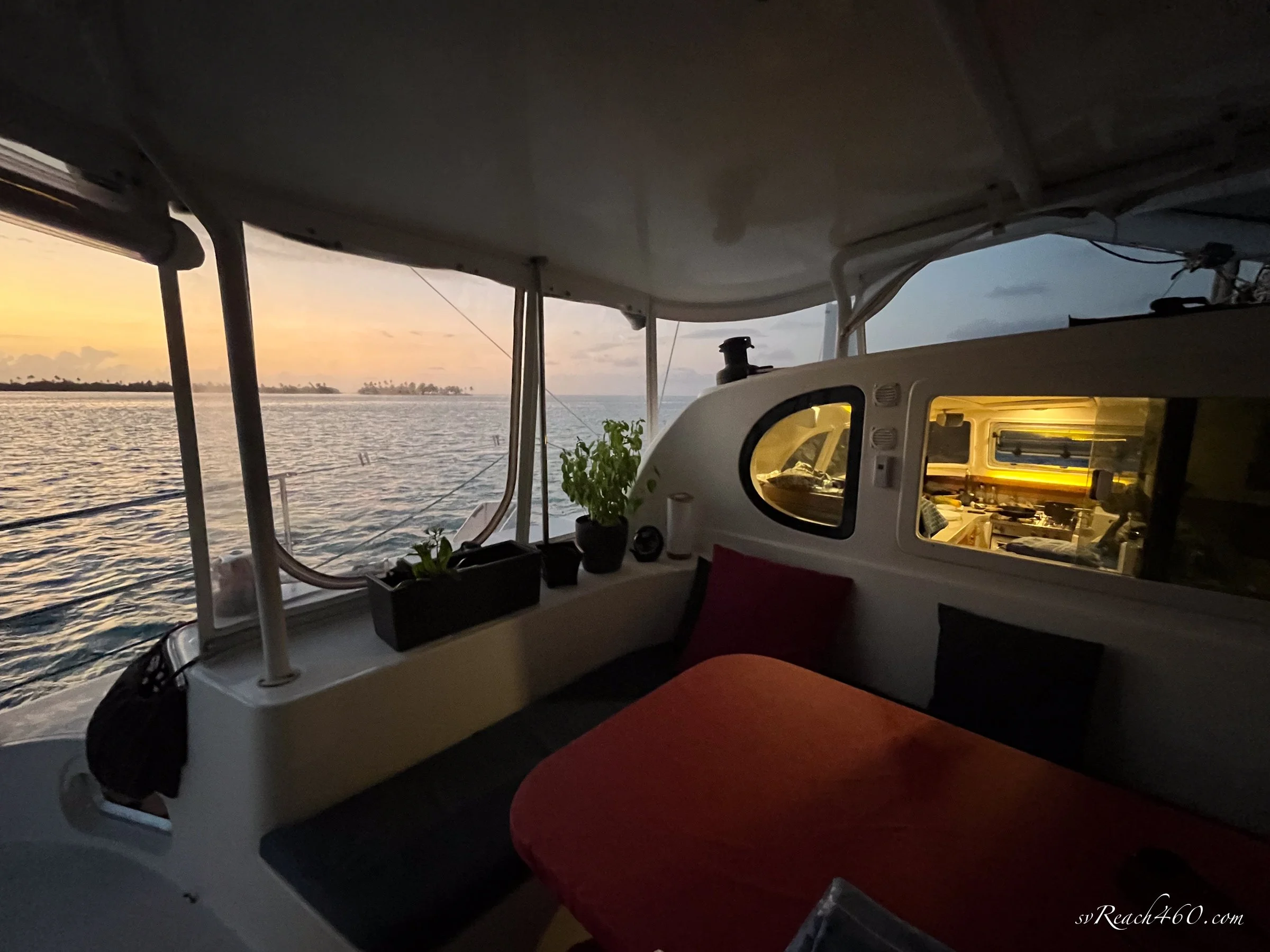
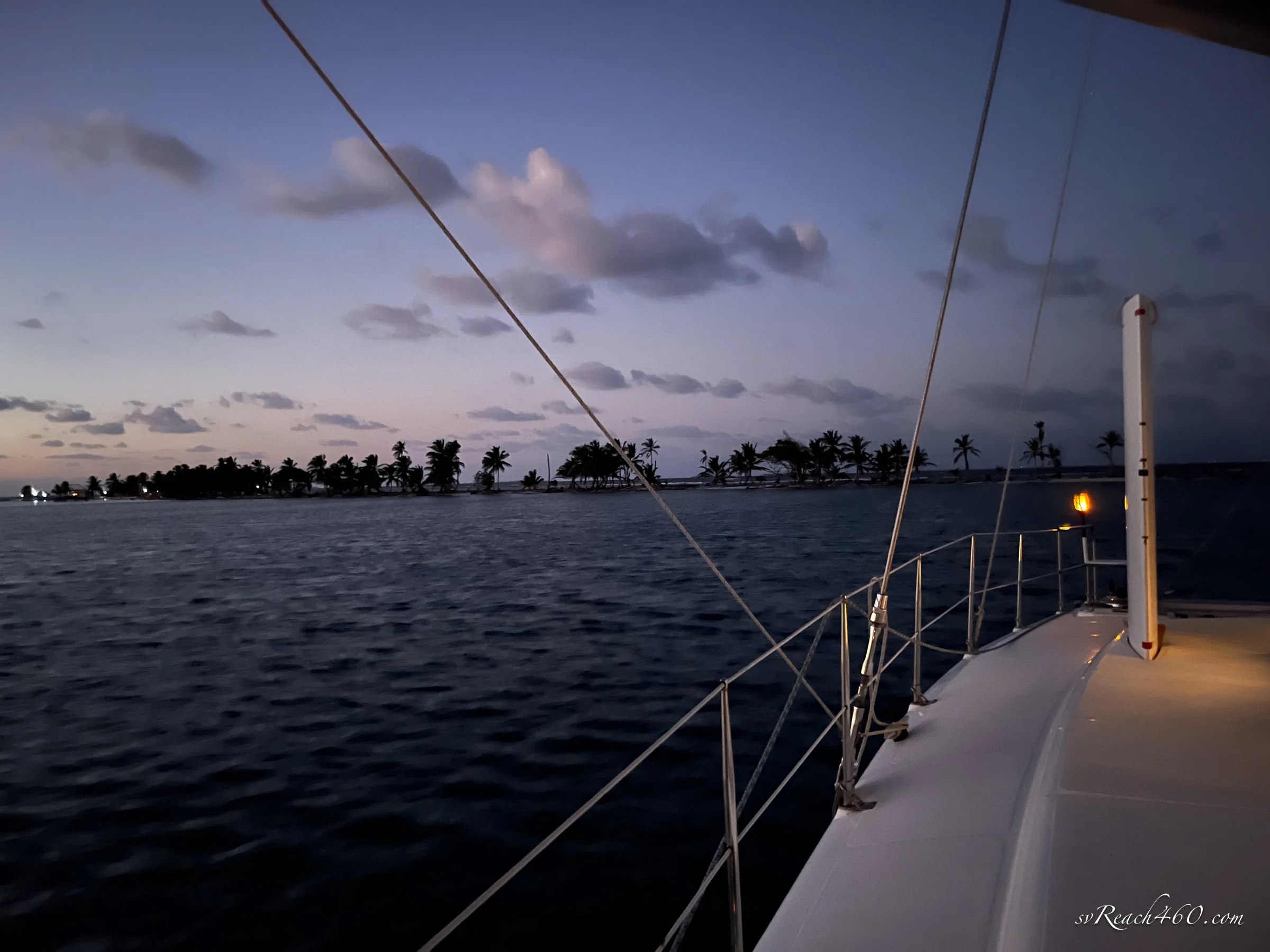
Our stay was made even more comfortable thanks to our new aluminum arch that we had built at the end of last year in Shelter Bay Marina. Adrian did a great job and I plan to write up a Boat Blog on this someday to add more details. The result was that we could add two more solar panels to bring us to 3000W total. This, in turn, allowed us to run our Velair air conditioners while cooking dinner if needed and all night in our cabin.
Outboard trouble
Unfortunately, after three months our stay was eventually cut short due to an outboard engine overheating problem (Suzuki 4-stroke 20hp). It has since been fixed after a head cleaning and 24 hr acid treatment; however, it took us a trip back to the marinas to sort that out… first a few days in Linton Bay and eventually back to Shelter Bay. We had one more month on our visa and thus a trip to Costa Rica planned for May.
As mentioned earlier, our time cruising the Caribbean is now at a close. After two Caribbean “loops” over the last 17 years, going slowly as we prefer, it is time to visit a new ocean. The “plan” for the rest of the year is to outfit Reach for the Pacific and transit the Panamá canal later this year.